







What we know so far
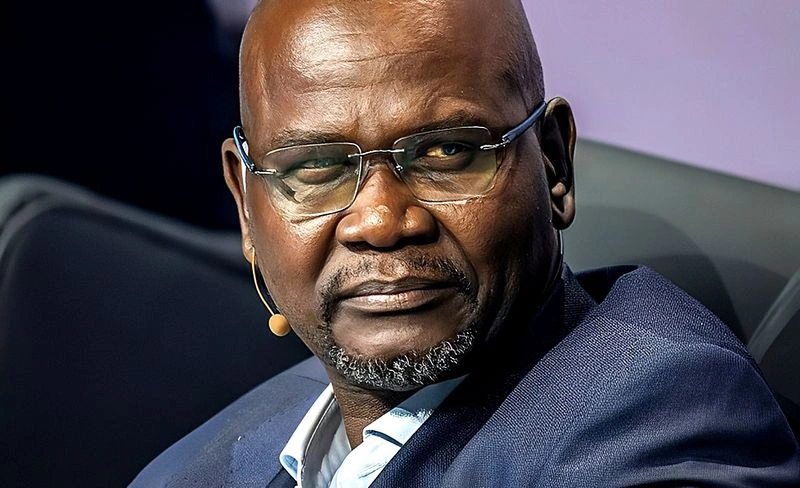
The board of the Public Investment Corporation has placed chief executive Patrick Dlamini on precautionary suspension, the state asset manager announced in a media statement issued in Pretoria on Monday, 13 July.
The PIC, which manages more than R3 trillion in assets, said the suspension was made in line with its whistleblower policy after allegations of impropriety against Dlamini were submitted to the board in a whistleblower report last month.
“The Board believes it is necessary to provide Mr. Dlamini sufficient space and time to respond to allegations of impropriety against him,” the statement read. It added that the precautionary suspension is intended to ensure a fair, objective and independent investigation.
The board stressed that the move is not a judgment against Dlamini. “The suspension does not, in any way, constitute a finding nor is it a pronouncement of any wrongdoing on the part of the CEO,” it said.
Dlamini had not publicly commented on the suspension by the time of publication. The board said it is finalising interim arrangements for an acting chief executive and will make further announcements in due course.
Why it matters
The PIC is Africa’s largest asset manager and one of the most consequential institutions in the South African economy. It invests on behalf of the Government Employees Pension Fund, the Unemployment Insurance Fund, the Compensation Fund and other public sector clients, and holds significant stakes in listed and unlisted companies across the market.
The suspension of its chief executive is therefore not an isolated boardroom matter. The retirement savings of more than a million government employees and pensioners sit behind the institution now facing its most serious governance test in years.
According to reporting by Daily Maverick, the whistleblower complaint alleges that Dlamini authorised a forensic investigation into the PIC’s long-running Lanseria Airport transaction without an approving board resolution, failed to manage potential conflicts of interest relating to his previous involvement with Lanseria-linked entities and Harith General Partners, and did not recuse himself from matters where complainants argue conflicts should have been declared.
These are allegations only, and none has been tested or proven. The PIC itself previously rejected suggestions that Dlamini acted outside his authority, maintaining that he acted within delegated powers when commissioning the PricewaterhouseCoopers forensic investigation into the Lanseria investment, according to Daily Maverick.
The corporation has also argued that the PwC review was intended to determine whether the PIC had adequately protected the interests of the Government Employees Pension Fund, rather than to overturn an arbitration ruling involving Lanseria shareholder Acapulco Trade and Invest 164.
Key details and figures
The suspension caps weeks of escalating developments at the corporation. PIC chairperson David Masondo has referred aspects of the Acapulco matter to the Special Investigating Unit, a decision he said reflects new information uncovered through the PwC investigation and subsequent legal assessment.
Dlamini was appointed PIC chief executive in June 2025, reportedly with a mandate that included cleaning up the corporation’s underperforming unlisted investment portfolio, known as the Isibaya Fund.
Alongside the suspension, the board announced a second leadership change. August van Heerden will cease serving as acting chief investment officer, a decision the board said takes into account a resolution of the Government Employees Pension Fund, the PIC’s biggest client. The statement did not elaborate on the content of that resolution.
Leon Smit, the PIC’s head of fixed income in listed investments, has been appointed acting chief investment officer. Smit joined the PIC in August 2000, has more than three decades of experience in fixed income, treasury management and financial markets, and has acted as chief investment officer during previous interim periods.
The turmoil has revived scrutiny of the PIC’s governance reforms following the Mpati Commission of Inquiry into impropriety at the corporation. Zirk Gous, chairman of the Association for Monitoring and Advocacy of Government Pensions, told Daily Maverick that the instability reflects a persistent failure to implement key Mpati recommendations, including ending the practice of the deputy finance minister automatically chairing the PIC board.
The PIC’s December 2025 implementation report to Parliament classified all Mpati Commission recommendations as fully implemented, including a comprehensive whistleblower policy and strengthened conflict-of-interest controls. It is that whistleblower framework which is now being put to the test.
What happens next
The independent investigation into the whistleblower allegations will now proceed, with Dlamini given the opportunity to respond. No timeline for the investigation has been announced.
The board’s immediate priority is appointing an acting chief executive, with an announcement expected in due course. The board said it remains committed to the highest standards of governance and institutional integrity.
The Special Investigating Unit’s handling of the referred Acapulco matter is a separate process, and its outcome remains pending.
For members of the Government Employees Pension Fund, benefit payments are not directly affected. The GEPF is a defined benefit fund, meaning member benefits are paid as promised regardless of market performance or events at the asset manager, as the fund confirmed in a statement on 6 July.
The larger question, as the investigation unfolds, is whether the governance systems the PIC built after the Mpati Commission can function credibly when applied to the corporation’s most senior executive. The outcome of the probe, and any response from Dlamini, will determine what comes next at the top of the R3 trillion fund.