



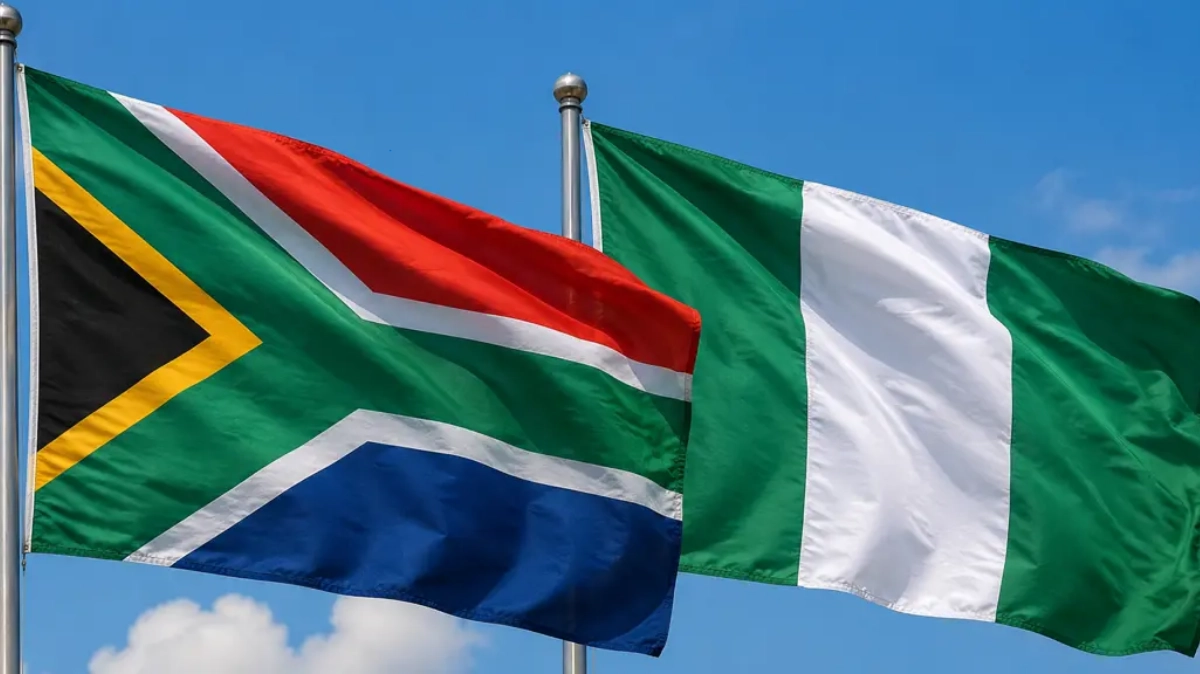
What Nigeria’s National Assembly decided
The Nigeria boycott of South Africa announced on Friday, 11 September 2026, is narrower than the headlines describe. It is a decision of Nigeria’s legislature, and it applies to legislators.
Nigeria’s National Assembly has suspended all official visits to South Africa and directed lawmakers, committees, officials and staff to boycott South African-hosted or South African-organised legislative activities until further notice. Reuters reports that the directive does not apply to governmental visits and meetings.
The decision was taken by the leadership of both chambers, Senate President Godswill Akpabio and Speaker of the House of Representatives Tajudeen Abbas, and conveyed to members by the Clerk to the National Assembly, Kamoru Ogunlana. The statement was signed by Akin Rotimi Jr., spokesman for the House of Representatives.
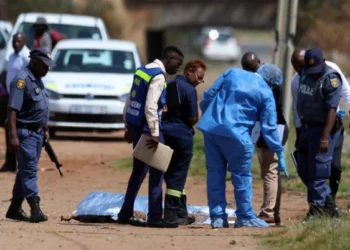
The stated reason is continuing reports of xenophobic attacks, violence, intimidation and destruction of property directed at Nigerians and other African nationals living in South Africa. Rotimi described the move as “a strong expression of concern over the safety, dignity and welfare of Nigerians” living and doing business in the country.
The same statement sets out its own limits. “Nigeria values its longstanding relationship with South Africa and remains committed to constructive diplomatic” and parliamentary engagement, it says, adding that the suspension remains in force subject to review by the leadership of the National Assembly as circumstances warrant. The legislature described the step as a firm, measured response and said it was not intended to undermine historical, diplomatic or people-to-people relations.
What the Nigeria boycott of South Africa actually covers
| Covered by the directive | Not covered |
|---|---|
| Official visits to South Africa by senators, members, committees, officials and staff | Governmental visits and meetings between the two states |
| Participation in South African-hosted or South African-organised legislative activities | Diplomatic relations and the two high commissions |
| Conferences, seminars, meetings and parliamentary exchanges hosted by South African institutions | Trade, investment, flights and private business |
No trade measure, tariff, visa restriction or diplomatic downgrade has been announced. Nigeria’s foreign ministry did not immediately respond to requests for comment, and a South African government spokesperson had not responded at the time of writing.
That distinction matters for the two largest economies on the continent. Nigeria is Africa’s most populous country and largest oil producer, South Africa its most industrialised economy, and the two are among each other’s significant trading and investment partners. None of that is touched by a suspension of parliamentary travel.
The numbers behind the decision
Nigerian officials have put figures to the concern, and those figures are Nigerian government figures rather than jointly verified counts.
Nigeria’s Minister of State for Foreign Affairs, Sola Enikanolaiye, has said 98 Nigerians have died in mob and hate-related incidents in South Africa since 2022. Nigeria’s acting high commissioner in Pretoria has said 1,695 Nigerians have been voluntarily evacuated this year amid xenophobia-related tensions, up from at least 1,490 reported in late July. South Africa has not published corresponding figures.
An independent measure exists. Xenowatch, a research project at the University of the Witwatersrand, records more than 430 people killed in xenophobic attacks in South Africa since 2008. The 2008 wave killed 62 people, including 21 South Africans, and attacks in Johannesburg in 2019 killed 12.
The domestic backdrop is documented on the South African side as well. Statistics South Africa put the number of foreign nationals in the country at 2.4 million in 2022, about 3.7% of a population of 65 million. Unemployment stood at 33.6% in the second quarter of 2026. President Cyril Ramaphosa has said the Border Management Authority intercepted approximately 450,000 people attempting to enter the country illegally in the past financial year.
Enikanolaiye’s framing in July was about process rather than impunity for crime. Nigeria does not condone criminal activity by its citizens abroad, he said, but suspects should face the courts rather than crowds. “If there are criminals, the solution is not to kill them.”
How the relationship got here
The suspension is the latest step in a sequence that has run through 2026.
- 29 April 2026: Anti-immigration protests in Johannesburg, part of a wider wave of marches calling for mass deportations.
- 4 May 2026: Nigeria begins repatriating citizens from South Africa.
- 6 May 2026: South Africa’s high commission in Abuja requests a meeting with Nigeria’s foreign ministry. The Department of International Relations and Cooperation says Nigeria then presented it publicly as a démarche.
- 29 and 30 June 2026: Ramaphosa meets leaders of anti-immigration groups. A nationwide security operation costing about R600 million runs on the day of an unofficial deadline set by those groups for undocumented migrants to leave. Acting Police Minister Firoz Cachalia and NatJoints report that most marches passed peacefully, with more than 900 arrests.
- 27 July 2026: Talks in Abuja. South Africa’s delegation is led by Minister of International Relations and Cooperation Ronald Lamola, serving as Ramaphosa’s special envoy. Nigeria raises what it calls Afrophobic attacks and questions the state response.
- 11 September 2026: The National Assembly suspension.
At the July talks, Lamola said the South African government unequivocally condemns all forms of xenophobia, racism and discrimination, and told the Nigerian delegation that arrests in cases involving foreign nationals reflected evidence-based policing of individual conduct rather than profiling. Both delegations condemned xenophobia and agreed that public frustration over crime cannot justify vigilante violence. Dirco said the two governments would pursue formal diplomatic channels and security partnerships.
Ghana and Mozambique have also repatriated citizens during the same period. The protests drew condemnation from the United Nations, the African Union and international human rights organisations.
What has not happened
No South African government response to the National Assembly decision had been published at the time of writing, and Dirco has not said whether it will seek talks with Nigeria’s legislature.
The directive carries no end date. It runs until further notice and is subject to review by the National Assembly leadership, which means it can be lifted without further legislation.
Nothing in the decision affects the two countries’ commercial relationship, which has continued through previous diplomatic ruptures including the 2019 attacks. Southafriworld has reported on the pressure in South Africa’s investment relationship with the United States, one of several international relationships under strain during the same period.
The measure Nigeria has taken removes South African institutions from its parliamentary calendar. Whether it goes further depends on decisions by the Nigerian executive, which has not announced any.