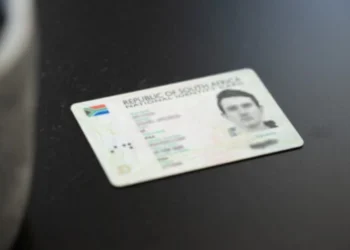







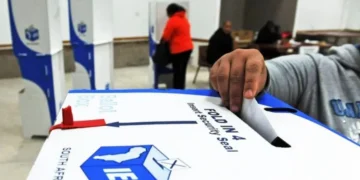


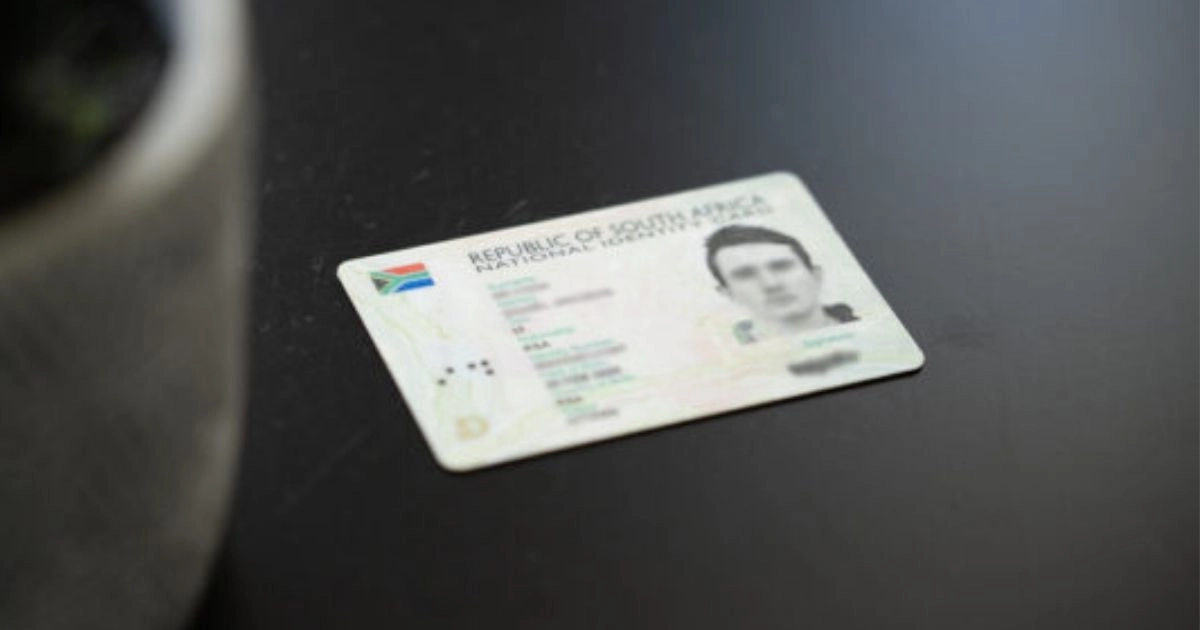
A lost or stolen Smart ID card can be replaced for R140 at a participating bank branch or at a Home Affairs office. The bank route needs no documents and takes about 15 minutes. If you need proof of identity before the new card arrives, including to vote on 4 November, apply for a R70 temporary identity certificate at Home Affairs.
What to do first
- If the card was stolen, report it at a police station. Keep the case number. It helps if someone later uses your identity to open accounts or take out credit.
- Apply for a replacement. Use a participating bank branch or a Home Affairs office, as set out below.
- Register with the Southern African Fraud Prevention Service (SAFPS). Protective registration is free. It flags your ID number to SAFPS members, such as banks and retailers, so they take extra care when someone uses it.
- Get a temporary ID if you need one now. Banks do not issue them.
SAFPS asks for a certified copy of an ID document, a temporary ID or proof that you applied for a new ID, plus proof of address. You can log the application before you have these, and it stays pending until you send them. Call SAFPS on 011 867 2234, email [email protected] or apply on the SAFPS website. SAFPS says it issues a protective registration reference number within 48 hours.
Replacing a Smart ID at a bank branch
Re-issues of lost, stolen or damaged Smart ID cards are one of the two services Home Affairs offers through participating banks. The other is converting a green ID book to a Smart ID card. Our guide on how to get a Smart ID at your bank explains the wider bank service.
What Home Affairs says about the bank route:
- You do not need to bring any documents.
- You do not log on to eHomeAffairs to book or pay. The bank handles the application.
- Capitec and Standard Bank accept walk-ins at participating branches without an appointment.
- The process takes about 15 minutes, depending on the bank.
- You must apply in person, because your fingerprints and photo are captured.
- You collect the new card at the branch where you applied, and the bank tells you when it is ready.
- If the bank cannot process your application, you will be referred to a Home Affairs office.
Home Affairs charges R140, and banks may add a convenience fee. Capitec, for example, charges a R10 service fee and takes payment from a Capitec account, so check your own bank’s Smart ID page before you go.
Replacing it at a Home Affairs office
You can also apply at a Home Affairs office that issues Smart ID cards. The fee is the same R140. Go to Home Affairs rather than a bank if your details need changing, if you need a name change or amendment, or if the bank refers you. The Identification Regulations make a re-issue free where the problem is proven to be a Home Affairs error. Fees for other Home Affairs services are in our Home Affairs services and fees guide.
If you lost a green ID book
The green ID book is being phased out, so a lost book is a reason to move to the Smart ID card. Home Affairs lists green ID book to Smart ID conversions as a bank service and says no documents are needed at participating branches. Ask your bank whether it will process the conversion when you no longer have the book. Our explainer on the green ID book phase-out covers what happens to the books still in use.
Fees at a glance
| Service | Fee | Where |
|---|---|---|
| Smart ID re-issue (lost, stolen or damaged) | R140 | Participating bank branch or Home Affairs office |
| Bank convenience fee | Varies by bank (Capitec: R10) | Participating bank branch |
| Temporary identity certificate | R70 | Home Affairs office |
| Re-issue caused by a proven Home Affairs error | Free | Home Affairs office |
| SAFPS protective registration | Free | SAFPS, by phone, email or online |
Getting a temporary ID
A temporary identity certificate costs R70. Government’s service page lists two ID photos and your ID number for verification. The Home Affairs list of bank services does not include temporary IDs, so you need a Home Affairs office.
Lost your ID before the 4 November election
The local government elections take place on Wednesday, 4 November 2026. The Electoral Commission accepts a green ID book, a Smart ID card or a valid temporary identity certificate, and you can vote only in the voting district where you are registered.
A bank re-issue may not be ready in time. Government’s own guidance says the temporary identity certificate is the option when an ID application will not be finished in time for you to vote. In past elections Home Affairs has opened offices on election day to issue temporary IDs, but do not rely on that this year. Apply now. Our local government elections 2026 guide has the other dates that still matter.
Where to check
- Home Affairs Digital Partnership with Banks: services available at banks, fees and links to each bank’s branch list.
- Apply for an identity document on gov.za: re-issue and temporary ID requirements.
- SAFPS protective registration: how to register a lost or stolen ID.
HOW WE REPORTED THIS
- The bank route, its exclusions and the R140 fee were taken from the Department of Home Affairs page on its Digital Partnership with Banks.
- The temporary identity certificate fee and requirements were taken from the gov.za identity document service page, and the re-issue and temporary ID fees were checked against the Identification Regulations.
- Capitec's convenience fee and account requirement were taken from Capitec's Smart ID page; other banks' fees were not checked.
- Protective registration steps and contact details were taken from the Southern African Fraud Prevention Service's own page.
- The article is organised as an action sequence because the order matters: SAFPS asks for a temporary ID or proof of a new ID application.