



The local government elections 2026 take place on Wednesday 4 November. Voting stations are open from 07:00 to 21:00, and you must vote at the station for the voting district where you are registered. Bring a green barcoded ID book, a Smart ID card or a temporary identity certificate.
Voters whose special vote applications were approved vote earlier, on 2 and 3 November.
Key dates
| Date | What happens |
|---|---|
| 12 October 2026, 17:00 | Special vote applications closed |
| Monday 2 November 2026 | Special voting, day one |
| Tuesday 3 November 2026 | Special voting, day two |
| Wednesday 4 November 2026 | Voting day, 07:00 to 21:00 |
Registration for this election has closed, and no new registrations or address changes are accepted. If you are unsure where you are registered, use the Electoral Commission’s voting station finder at elections.org.za before voting day.
What to bring
The Electoral Commission accepts three documents:
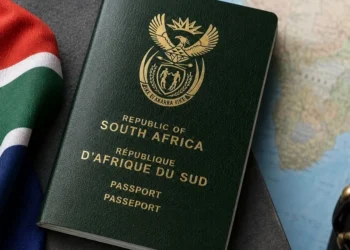
- a green barcoded ID book
- a Smart ID card
- a temporary identity certificate
At the voting station, officials check your ID and look for your name and ID number on the voters’ roll for that voting district. Your name is then crossed off.
If your Smart ID is ready at a bank branch or Home Affairs office, collect it before voting day. Our guide to getting a Smart ID explains collection. If you have no valid ID, a temporary identity certificate from Home Affairs is accepted.
How many ballots you get
- Metros and local councils: two ballot papers, one for a ward councillor and one for a political party.
- Areas that form part of a district council: a third ballot paper, for the district council.
The ward ballot elects the councillor for your area by name. The party ballot decides how the remaining council seats are shared between parties.
Special votes on 2 and 3 November
The Electoral Commission approved a record 2 655 067 special vote applications, including 678 525 home visits, SAnews reported on 14 October 2026.
- Home visits are for voters who cannot travel to their voting station because they are physically infirm, disabled or pregnant. Officials visit the address in the application.
- Voting at the station is for voters who cannot be at their station on 4 November. They vote there on the special voting dates instead.
Applicants are told by SMS whether their application was approved. By law, special votes can only be cast on the dates in the election timetable. After you cast a special vote, your name is marked “SV” on the voters’ roll.
The scale of the election
The Electoral Commission has secured all 23 696 voting stations. That includes 22 659 permanent stations, with arrangements for 1 005 temporary stations and 33 mobile stations being finalised.
Councillors elected on 4 November serve a five-year term. They make the decisions behind the issues covered in our reporting on municipal tariff increases for 2026, the municipal debt pledge and the Treasury freeze on municipal transfers.
SASSA moved November’s grant payments forward because of the election. Our SASSA payment dates page has the new dates.
Where to check
- The Electoral Commission’s How to vote page explains what happens at the voting station.
- The voting station finder and the special vote status checker are on elections.org.za.
HOW WE REPORTED THIS
- Read the Electoral Commission's How to vote page for voting hours, the identity documents accepted and the number of ballot papers in metros, local councils and district council areas
- Read the Electoral Commission's special votes page for who qualifies, SMS notification and how special votes are recorded on the roll
- Read the SAnews report of 14 October 2026 for the 2 655 067 approved special vote applications, the 678 525 home visits, the special voting dates and the 23 696 voting stations