




What the ANC’s municipal debt pledge actually covers
The ANC has committed to cutting municipal debt owed to Eskom and the country’s water boards by at least 30% by 2031. It is an election promise, not a decision, and voters go to the polls on 4 November 2026.
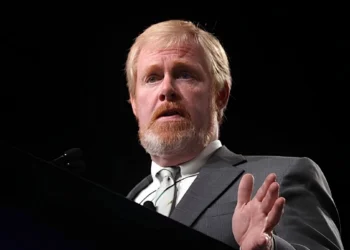
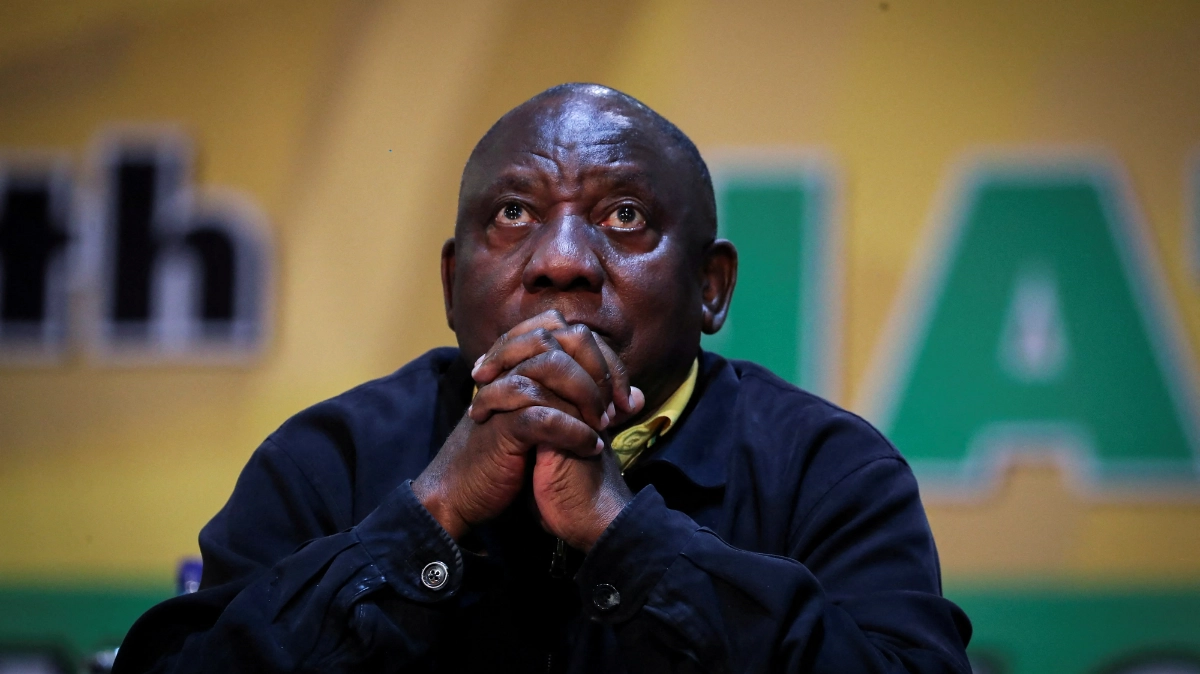
Cyril Ramaphosa launched the party’s local government elections manifesto at Riverside Park in Diepsloot, north of Johannesburg, on Sunday 23 August. The pledge addresses a debt crisis that has more than tripled over the past five years. Business Day
The scale is set by National Treasury. Municipalities owed a combined total of more than R161 billion by December 2025, of which Eskom was owed R110.5 billion and the Department of Water and Sanitation and regional water boards were owed R30.7 billion. Business Day
The pledge does not cover the full R161 billion. It applies to the portion owed to Eskom and the water boards, which together account for roughly R141 billion of that total.
Ramaphosa framed the ANC’s central campaign argument around national leverage, saying in the manifesto that “A council on its own controls very little”. The party governs nationally and in seven of nine provinces. TimesLIVE
What R161 billion in municipal debt means for your bill
Unpaid bulk debt is not an abstraction. It feeds directly into what households pay and what they receive.
Margins on municipal electricity sales have fallen sharply as Eskom’s bulk tariffs rise faster than municipalities can pass costs on to customers, leaving less surplus available to reinvest in pipes, substations and roads. Southafriworld covered the municipal tariff increases that took effect in 2026. Business Day
The maintenance gap is measurable. The South African Local Government Association puts the municipal infrastructure and maintenance backlog at R100 billion. Business Day
Treasury has already begun enforcing payment. It withheld R13.5 billion in equitable share allocations from 69 municipalities that failed to meet obligations to Eskom, water authorities, SARS, the Auditor-General and pension funds. Those municipalities collectively owe R27.4 billion.
Southafriworld reported on Treasury withholding funds from municipalities in July and on R155.4 million reclaimed from Tshwane.
The numbers behind the pledge
| Item | Figure |
|---|---|
| Total owed by municipalities, December 2025 | More than R161 billion |
| Owed to Eskom, Treasury figure | R110.5 billion |
| Owed to Eskom, Eskom’s own figure, early August 2026 | R119 billion |
| Owed to Water and Sanitation and water boards | R30.7 billion |
| Equitable share withheld from 69 municipalities | R13.5 billion |
| Owed by those 69 municipalities | R27.4 billion |
| Infrastructure and maintenance backlog, Salga | R100 billion |
| Free basic services budget, 2026/27 | R86.9 billion |
| Households covered | 11.2 million, about R647 a month each |
| ANC target | At least 30% cut by 2031 |
The two Eskom figures do not match, and the gap matters. Treasury’s R110.5 billion is a December 2025 measurement. Eskom chairman Mteto Nyati said at the beginning of August 2026 that municipal arrear debt to the utility had reached R119 billion.
The debt is therefore still growing while the pledge is being made, and the manifesto does not state which baseline the 30% will be measured against.
Other manifesto commitments include at least half of municipalities reaching clean or unqualified audit outcomes, on-time payment of municipal workers and compliant suppliers, and bringing services such as waste collection, security, cleaning and meter reading back in house.
The manifesto also proposes automatically enrolling grant recipients onto municipal indigent registers using the SASSA database, so that households do not reapply for free basic water, electricity and sanitation each year. Southafriworld maintains a page on current SASSA grant amounts. TimesLIVE
Joburg paid Eskom R5.3 billion, and the national total still rose
One large arrears account was settled days before the launch. Eskom confirmed it received the final payment from City Power, the City of Johannesburg’s electricity distributor, clearing accumulated overdue debt of R5,255,421,994.16.
Eskom said City Power has confirmed that its July 2026 current account of R1,860,379,885, due on 31 August 2026, will be paid on its due date. The utility withdrew the administrative process it had begun under the Promotion of Administrative Justice Act.
Junaid Munshi, Eskom’s group executive for distribution, said improving the utility’s balance sheet required both higher revenue and lower expenses, and that the company values Johannesburg as a customer.
The settlement is significant on its own terms. It also shows the difficulty of the target, because a R5.3 billion recovery from the country’s largest metro still leaves the national figure above where Treasury measured it in December.
What the manifesto does not say
The pledge carries no published costing, no stated mechanism, and no interim milestones. It does not explain whether the reduction would come from collection, write-offs, national transfers, or a combination.
The 2031 endpoint also sits at the far edge of the council term that begins after 4 November, which means the target will be judged by a future council rather than the one voters elect this year.
Ramaphosa told supporters the party had listened and heard, promising that the next five years would be different, and said in his address that “Leadership does matter”. Daily Maverick reports that ANC support in local government elections fell from 64.82% in 2006 to 45.59% in 2021. SABC NewsDaily Maverick
Opposition parties are contesting the record rather than the promises, and the ANC has said the manifesto follows an assessment of what it delivered against its 2021 pledges. Southafriworld has not independently verified that assessment, which the party has not published in full.
Two dates now matter. Johannesburg’s next Eskom payment falls due on 31 August 2026, and voters in 257 municipalities go to the polls on 4 November 2026.