






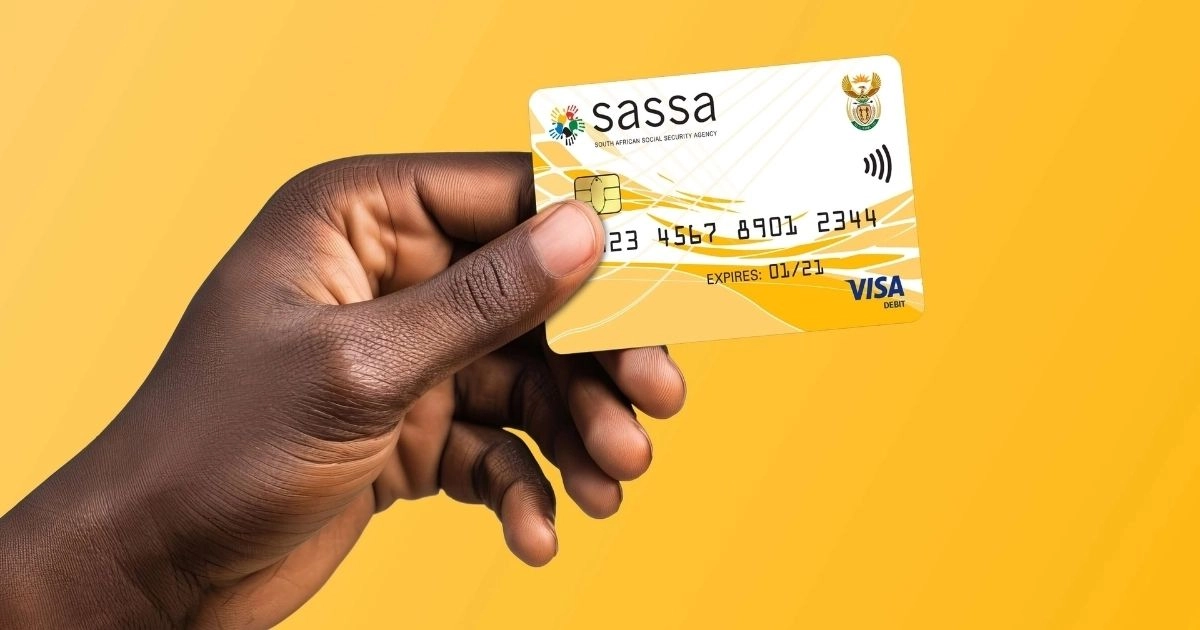
The SASSA disability grant pays up to R2 400 a month to South Africans aged 18 to 59 whose physical or mental disability makes them unfit to work for longer than six months. You apply in person at a SASSA office, and nothing is approved until a doctor appointed by the state has assessed you. Applying is free, a decision can take up to three months, and an approved grant is paid from the day you applied.
The next disability payment is on Monday, 2 November 2026. SASSA moved it forward from Wednesday, 4 November, the day of the local government elections.
Who qualifies for the disability grant
The government’s disability grant service page says you must:
- be a South African citizen, permanent resident or refugee living in South Africa when you apply
- be between 18 and 59 years old
- not be cared for in a state institution
- have a 13-digit ID, or follow the affidavit route described below
- be assessed by a state-appointed doctor
- pass the income and asset test
Your age decides which grant applies. If a child under 18 needs permanent care because of a disability, the primary caregiver applies for the care dependency grant instead. From 60, the SASSA older persons grant is the relevant grant. A Department of Social Development reply to Parliament describes the disability grant as changing to an older persons grant at that age.
The income and asset limits do not agree
The published means test figures contradict each other, and the government’s own page is one of the sources that disagrees.
Gov.za’s disability grant page already shows the 2026 amount of R2 400. It lists an income limit of R86 280 a year for a single applicant and R172 560 for a married couple. It caps assets at R1 227 600 for a single applicant and R2 455 200 for a married couple. A Citizen report in May 2026 on a SASSA explainer gave a single income limit of R9 350 a month. Several online grant guides use a third figure, R107 880 a year. The Citizen report also put the disability grant at R2 420 rather than the R2 400 confirmed by the Department of Social Development, so it cannot settle the matter. SASSA’s own means test page blocks automated access, and Southafriworld could not confirm which limit SASSA applies.
By calculation, R86 280 a year is R7 190 a month, the lowest limit in circulation. If your income is below that, you pass the income test on every published figure. If it falls between R7 190 and R9 350 a month, do not rule yourself out. Apply, let SASSA run the test, and ask which figure it used if you are declined. Married applicants are tested against the married limits, which is why SASSA asks for proof of marital status.
Temporary or permanent: what the assessment decides
The state doctor completes a medical report and sends it to SASSA. Bring every previous medical record and specialist report you have, both when you apply and when you are assessed. The report is valid for three months from the date of the assessment.
The assessment also decides the type of grant:
- Temporary: your disability will last for a continuous period of at least six months and not more than 12 months.
- Permanent: your disability will continue for more than a year. Gov.za notes that permanent does not mean for life, only that the grant runs for longer than 12 months.
GroundUp’s advice column notes that when a temporary grant ends and you still cannot work, you have to apply again. The Western Cape Government’s guidance adds that the assessment will show whether you need a future medical review.
How to apply, step by step
- Collect your documents. Gov.za lists these:
- your ID
- the medical and functional assessment report
- proof of marital status, if it applies
- proof of residence
- proof of income, assets and any private pension
- bank statements for the past three months
- your UIF card or a discharge certificate, if you were employed
- your refugee permit and refugee ID, if they apply
- Go to your nearest SASSA office. The form is not available online. You complete it at the office in the presence of a SASSA officer.
- Attend the medical assessment with all your records.
- Keep your receipt. It proves the date you applied, and that date sets your backpay.
- Wait for the written outcome. If you are approved, payment runs from your application date.
If you have no ID, gov.za says you need to do three things:
- complete an affidavit on the SASSA format before a commissioner of oaths who is not a SASSA official
- bring a sworn statement confirming your name and age from someone such as a councillor, social worker or school principal
- have your fingerprints taken
SASSA then refers you to Home Affairs to apply for an ID. The grant is suspended if you do not get one.
Grant-in-aid: R580 more if you need full-time care
If you cannot look after yourself and need full-time care from another person, you can apply for a grant-in-aid on top of the disability grant. It pays R580 a month from April 2026. The government’s grant-in-aid page sets three conditions. You must already receive the disability, older persons or war veterans grant. You must not be cared for in a state-subsidised institution. You need a medical report less than three months old showing that you need full-time care. The grant-in-aid is paid with your main grant, from the date you applied.
When the grant stops or is cut
SASSA can suspend the grant for any of these reasons:
- your circumstances change
- a review finds you no longer qualify
- you do not cooperate with a review
- you commit fraud
- the grant was approved by mistake
Grants under review are paid on a separate day, which explains why a grant review moves your pay day and what to do about it.
The grant lapses if you die, are admitted to a state institution, are absent from the country, or do not claim it for three consecutive months. If you are admitted to an institution that has a contract with the state to care for you, the grant drops to 25% of the maximum from the fourth month after admission. It is restored from the day you are discharged.
If SASSA turns you down
SASSA must tell you in writing and give its reasons. You can appeal in writing to the Minister of Social Development within 90 days of being notified. The Department of Social Development’s social grant appeal page has the appeal form for the Independent Tribunal for Social Assistance Appeals. It also has a condonation form for appeals lodged late. Address the specific reason SASSA gave.
Disability grant payment dates to March 2027
| Month | Disability grant paid |
|---|---|
| November 2026 | Monday 2 November (moved from 4 November) |
| December 2026 | Thursday 3 December |
| January 2027 | Wednesday 6 January |
| February 2027 | Wednesday 3 February |
| March 2027 | Wednesday 3 March |
The November date comes from SASSA’s revised schedule reported by SAnews on 15 October. National Treasury approved the change, and Thursday 5 November is set aside for grants under review. The later months come from the 2026/27 schedule the Department of Social Development published in March.
You can be paid in one of three ways:
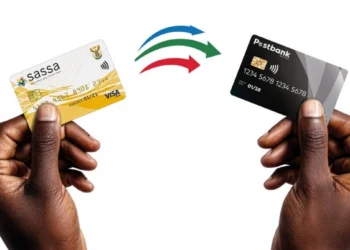
- into a bank account, including Postbank
- in cash at a pay point
- through a non-state institution that cares for you
To compare the disability grant with every other grant, see the full list of SASSA grant amounts.
Where to check
Applications and assessments happen at SASSA offices, and there is no fee at any stage. Anyone charging to book an assessment or speed up a grant is not acting for SASSA. For questions about your own application, call SASSA toll-free on 0800 60 10 11 or email [email protected]. If your income is close to any of the limits above, ask SASSA which figure it applied before you accept a decline.
HOW WE REPORTED THIS
- Read the gov.za disability grant and grant-in-aid service pages on 17 October 2026
- Checked 2026/27 amounts and payment dates in the Department of Social Development notice of 20 March 2026
- Confirmed the revised November payment dates in the SAnews report of 15 October 2026
- Checked the DSD social grant appeal page for the ITSAA appeal and condonation forms
- Could not read the SASSA means test page, and no SASSA official was contacted