




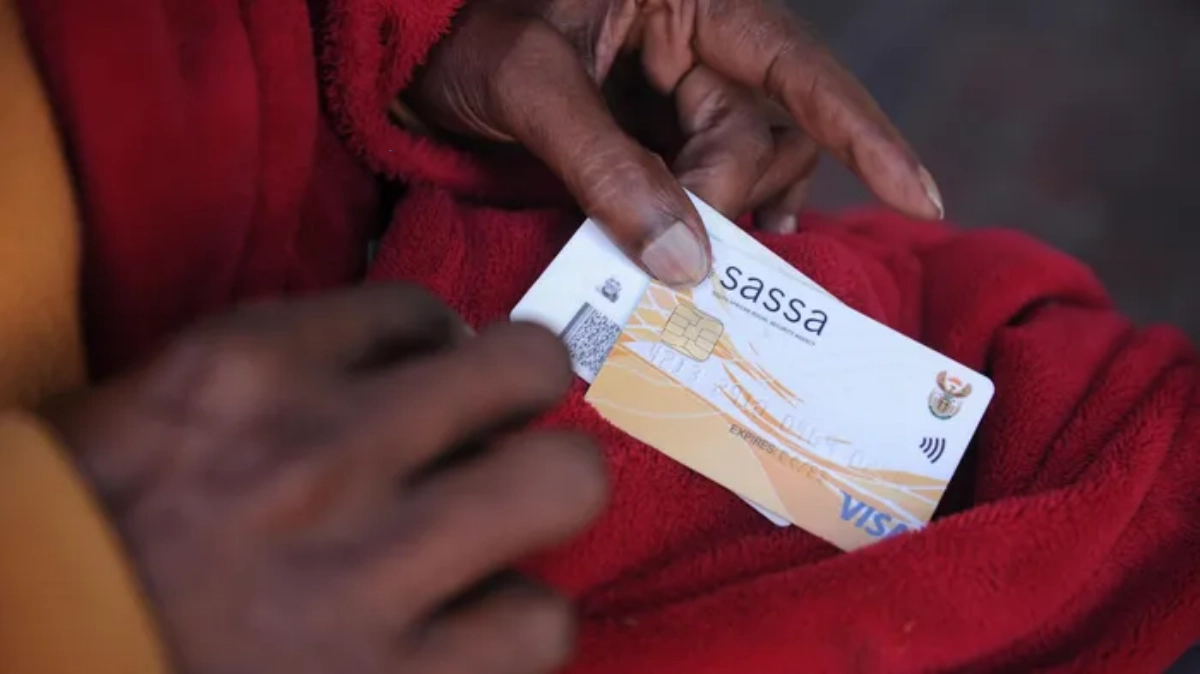
What a fourth payment day actually means
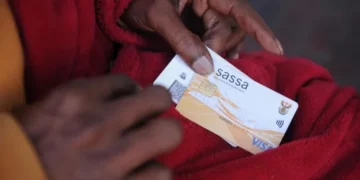
If your money did not arrive on the usual date, a SASSA grant review is the most likely explanation, and it does not mean the grant has been cancelled. SASSA has added a fourth payment day each month for beneficiaries flagged for a review or for eLife Certification. Being paid on that day is a notification, not a punishment. It tells you the agency needs to confirm you still qualify.
The permanent grants are normally paid over three staggered working days, older persons first, then disability, then children’s grants. Beneficiaries under review are paid after that group.
What matters is what you do next. Receiving the money on the fourth day does not complete the review. If you leave the review undone, the grant can be suspended in a later cycle, and a suspended grant that stays unresolved can lapse.
Why you were selected
Reviews are carried out under the Social Assistance Act, which requires SASSA to confirm that beneficiaries still meet the eligibility criteria. The agency says the process verifies continued eligibility, prevents fraud and duplicate claims, and stops payments going to people who have died.
Selection is usually driven by a data match. SASSA CEO Themba Matlou told Parliament in February 2026 that the agency verifies income and eligibility against records held by banks, the South African Revenue Service, the National Student Financial Aid Scheme, credit bureaus, government payroll systems and correctional services.
That means a review can be triggered by something entirely innocent. Money moving through a bank account you did not declare, a short contract that put you on a payroll, or a student funding record can all raise a flag. A flag is not a finding.
The numbers behind the drive
| Measure | Reported figure |
|---|---|
| Beneficiaries notified that their eligibility was under review, by February 2026 | About 400 000 |
| Reviews completed by February 2026 | About 240 000 |
| Grants suspended for non-compliance by February 2026 | About 70 000 |
| People flagged by income verification as potentially ineligible | About 495 000 |
| Monthly saving reported from the review programme | About R44 million |
These figures come from SASSA’s third-quarter briefing to Parliament and were reported in February 2026. The department has since said it is targeting 350 000 social grant reviews in the current financial year.
What to do when the SMS arrives
SASSA notifies selected beneficiaries using the contact details on its system, usually by SMS. That is why an old cellphone number is such a common cause of a suspended grant: the notice goes to a number the beneficiary stopped using years ago, and the first sign of trouble is an empty account.
Reviews are currently done in person at designated SASSA offices and service centres. The agency has said it may introduce online review options in future to cut queues and travel costs, but that is not the position now.
Take your South African identity document and anything the SMS specifically names. Depending on your grant and the reason for the flag, the office may also ask for recent bank statements, proof of income, proof of residence or proof of marital status.
Go as soon as you can rather than waiting for your next payment date. SASSA has said that money is released once the beneficiary has reported to the office with the required documents.
Life certification is a separate obligation
eLife Certification is the digital confirmation that a beneficiary is alive and still eligible. SASSA has encouraged beneficiaries to complete it through its online portal rather than queueing.
Treat an instruction to certify as urgent. If SASSA contacts you and tells you to complete certification within a stated period, doing it later is not good enough, because the agency cannot confirm the beneficiary is alive and the payment stops.
The process is free. SASSA will never ask for your PIN, your one-time password or your banking details, and anyone who asks you to pay to have a review or certification completed is running a scam.
If the grant has already lapsed
A suspension is recoverable. A lapse is worse. SASSA has said that beneficiaries whose grants have lapsed must reapply as new applicants, and that no backdated payments are made even where the person still qualifies. That is months of income gone, so the whole point of responding to a review notice early is to never reach this stage.
If a payment is missing and you have not had an SMS, phone the toll-free line before travelling to an office.
| Channel | Contact |
|---|---|
| SASSA toll-free line, weekdays during working hours | 0800 60 10 11 |
| SASSA WhatsApp | 082 046 8553 |
| Head office enquiries | 012 400 2322 |
October 2026 dates, with a caveat
News reports this week put the October 2026 schedule at 2 October for older persons, 5 October for disability, 6 October for children’s grants and 7 October as the fourth day for reviews and eLife Certification.
Note one wrinkle. SASSA’s published principles for setting payment dates say payments should not be made on the 1st of the month or on a Monday, should not fall on a weekend, and should not be made the day after a public holiday. In October 2026 the 3rd and 4th fall on a Saturday and Sunday, and 5 October is a Monday. We could not confirm the October dates on sassa.gov.za, which blocks automated access, so check the official page before planning around them.
Our guide to SASSA payment dates explains the monthly cycle in full, SASSA grant amounts for 2026 lists what each grant pays, and if the problem is an SRD decline rather than a review, the SRD grant appeal process is the route to follow.
Where to check
SASSA is the only authoritative source for review notices, certification deadlines and payment dates. Go to www.sassa.gov.za, phone 0800 60 10 11 on a weekday, or use the WhatsApp line on 082 046 8553. Ignore payment dates circulating in WhatsApp groups, and never pay anyone who offers to complete a review or certification for you.