







What the Civil Aviation Amendment Act changes from 12 October
The Civil Aviation Amendment Act came into force on 12 October 2026, four and a half years after it was signed. It is designed to give air accident and incident investigations operational independence from the aviation regulator. The independent board that is meant to run those investigations does not yet have members, and it cannot be appointed until a process involving the public and Parliament has been completed.
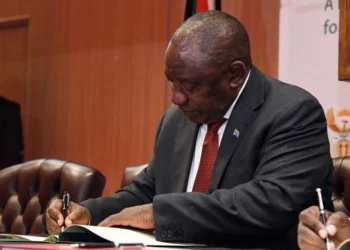
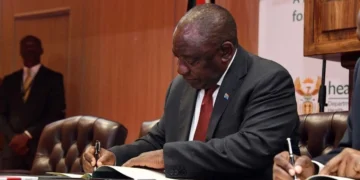
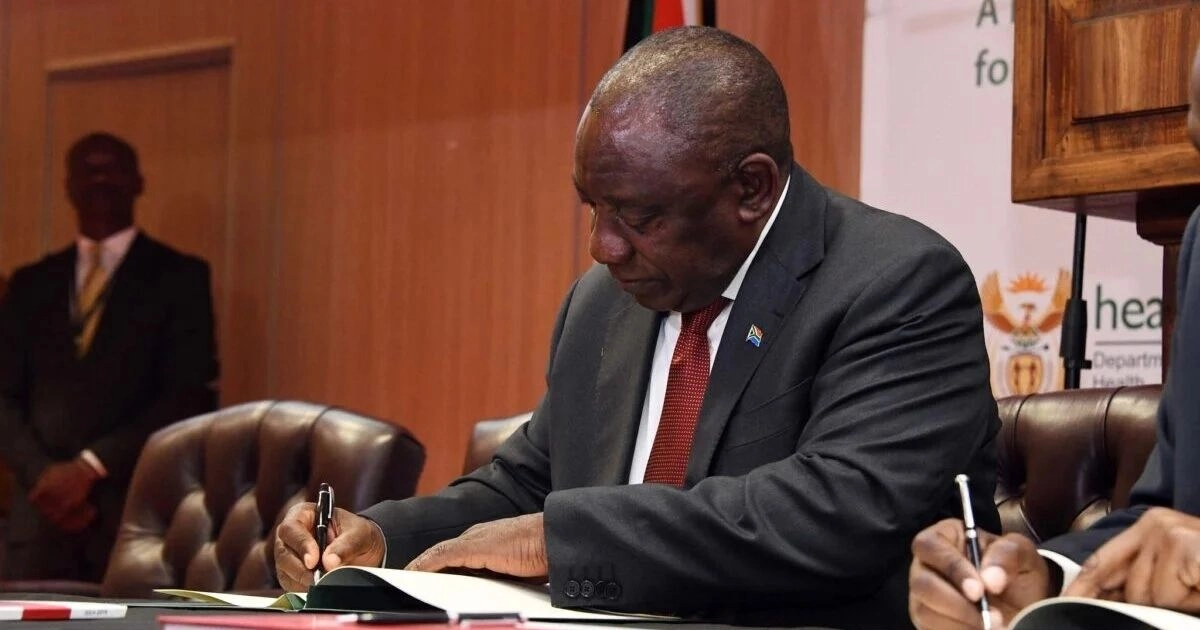
President Cyril Ramaphosa signed the commencement proclamation on 16 September, and it took effect when it was published in Government Gazette 55536 on 12 October, BusinessTech reported. The Act itself received presidential assent on 31 March 2022 and was published on 6 April 2022, but it had no force until now.
The change matters for every passenger and pilot. The law separates the body that licenses and polices aviation from the body that decides why an aircraft crashed, and it requires that body’s findings to be made public.
How the new accident investigation board will be appointed
Chapter 4 of the Civil Aviation Act has been replaced in full. It establishes the Aviation Safety Investigation Board as a legal entity that must work without political or commercial interference, with its investigators reporting exclusively to it.
Appointing the board takes six steps, and the Act allows none of them to be skipped.
| Step | What the Act requires |
|---|---|
| 1 | The Minister of Transport invites public applications and nominations through the media |
| 2 | At least four aviation experts and the Commissioner for Civil Aviation evaluate the candidates |
| 3 | The experts draw up a shortlist of no more than 10 people |
| 4 | The Minister submits the shortlist to Parliament |
| 5 | Parliament interviews the candidates and recommends at least seven names, in order of preference |
| 6 | The Minister appoints five part-time members, including a chairperson, for terms of up to five years |
The expert panel must include someone with technical aviation experience, someone with a legal background and someone with accident investigation experience. Members of Parliament, councillors, party office-bearers and people convicted of dishonesty offences are disqualified.
Transport Minister Barbara Creecy is responsible for starting the process. Southafriworld found no public call for nominations as of 13 October.
What the board must do, and what it may not do
The board’s job is accident prevention, not punishment. It must investigate accidents and incidents in line with Annex 13 of the Chicago Convention, identify safety deficiencies, make recommendations and report publicly on its findings.
It may not apportion blame or decide civil or criminal liability. Evidence given to it cannot be used against the person who gave it in civil, criminal or disciplinary proceedings.
Its investigators get wide powers. They have unrestricted access to wreckage, flight recorders, air traffic recordings and relevant medical records, and they may summon witnesses under oath. In defined circumstances they may also search and seize without a warrant: where the person consents, or where waiting for a warrant would defeat the purpose of the search.
The South African Police Service keeps prior access to accident scenes. Before any final report is made public, the board must send a draft to affected parties, and the final report must go to the Minister, Parliament and the public.
Why independence matters: the Airlink flypast
The tension the law addresses was visible last month. SACAA approved an Airlink flypast over Cape Town Stadium and then opened a review of that same flight after public criticism, as Southafriworld reported in its account of the Airlink stadium flyover.
That was a compliance review, not an accident investigation, and no breach has been found against Airlink. It still showed the regulator assessing an operation it had itself authorised.
SACAA has pointed to more than four decades without a fatal accident in commercial airline operations. The new board is meant to protect that record by keeping the investigation of any future accident at arm’s length from the regulator.
Other changes for airlines and operators
The Act also extends SACAA’s mandate. It gives the regulator an environmental protection oversight function, and it makes SACAA a preferential creditor for fees and levies collected on its behalf if the collecting company becomes insolvent.
It deletes the provisions on compliance notices. It also allows the Minister to issue exemptions and to prescribe additional offences and enforcement mechanisms, and it requires every registered aircraft owner or operator to carry prescribed insurance for damage its aircraft may cause on the ground.
Law firm Cliffe Dekker Hofmeyr has said the Act requires carriers to develop and implement an aviation security programme, rather than simply have one. The firm also says the Act lets aviation participants appeal board findings and provides for penalties of up to R50 000, imprisonment of up to 10 years, or both.
What is still unclear about the new aviation law
Several points remain open. The published reports do not say whether the whole Act or only certain sections took effect, and it is not yet clear who will investigate accidents until the board is appointed.
A May 2025 legal analysis noted that parts of the 31st amendment to the Civil Aviation Regulations, including a new Part 12 on accidents and incidents, would start only once this Act was proclaimed. SACAA has not yet confirmed whether those parts now apply.
Once appointed, the board must report each year by 31 December, and the Minister must table that report in Parliament within 30 days.
HOW WE REPORTED THIS
- The Act was read in Government Gazette 46205 of 6 April 2022, including the substituted Chapter 4 provisions establishing the Aviation Safety Investigation Board.
- The commencement date and proclamation details were taken from published reports of Government Gazette 55536 of 12 October 2026, because the proclamation itself could not be retrieved.
- The board's appointment process, powers and reporting duties were checked against sections 11, 15 to 18, 28, 31, 33, 34 and 41 of the amended Act as published.
- Changes for airlines that do not appear in the sections read are attributed to a law firm's published analysis of the Act.
- No comment was sought from the Department of Transport or the South African Civil Aviation Authority before publication.
- This article was drafted with AI assistance and the facts, figures and quotations were checked against the primary source by the editor before publication.