




What Ramaphosa said after the BRICS summit
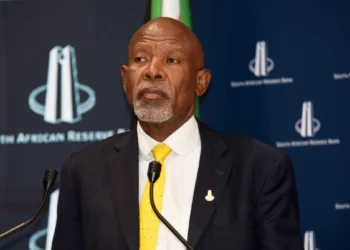
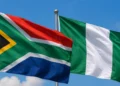
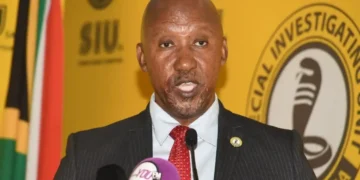
South Africa India flights were among the practical commitments President Cyril Ramaphosa set out on Monday, 14 September 2026, in his weekly letter to the nation following the 18th BRICS Summit in New Delhi.
Ramaphosa said South Africa wants to restore direct air links with India and to build closer working relationships between business chambers in the two countries. For travellers and exporters, that is the part of the announcement with a measurable consequence attached.
He set the commercial relationship out in figures. India is South Africa’s fourth-largest trading partner. More than 150 Indian companies have invested more than $10 billion, about R243.7 billion, in South Africa, employing more than 18,000 South Africans. Naspers, FirstRand Bank, Sanlam and Momentum hold significant investments in India.
The two countries held a South Africa-India CEOs Roundtable during the visit, identifying opportunities in green industrialisation, critical minerals and beneficiation, infrastructure, agriculture and the digital economy.
Ramaphosa framed the minerals element as a two-way trade. South Africa’s endowment “can feed India’s fast-growing renewable energy, battery and automotive value chains”, he said, while ensuring more processing happens on South African soil. India’s strengths in pharmaceuticals, health technology, information technology and digital public infrastructure could support South African medicine production and system modernisation.
Why South Africa India flights stopped, and what it costs
The word in Ramaphosa’s commitment is restore, and it is doing real work. There are no direct flights to restore them to.
| Measure | Figure |
|---|---|
| Weekly flights permitted each way under the air services agreement | 28 |
| Direct flights currently operating | None |
| Passengers travelling between the two countries each year | More than 126,000 |
| Share of that traffic on the Mumbai to Johannesburg pairing | 58% |
| Years South African Airways flew Johannesburg to Mumbai | 19, to April 2015 |
| Indian arrivals to South Africa in 2019 | More than 95,000 |
| Indian arrivals in 2023 | 79,700 |
| Target for Indian arrivals by 2030 | More than 133,000 |
The bilateral air services agreement already allocates 28 weekly frequencies in each direction. The constraint is not the treaty, and on the available evidence it is not demand either.
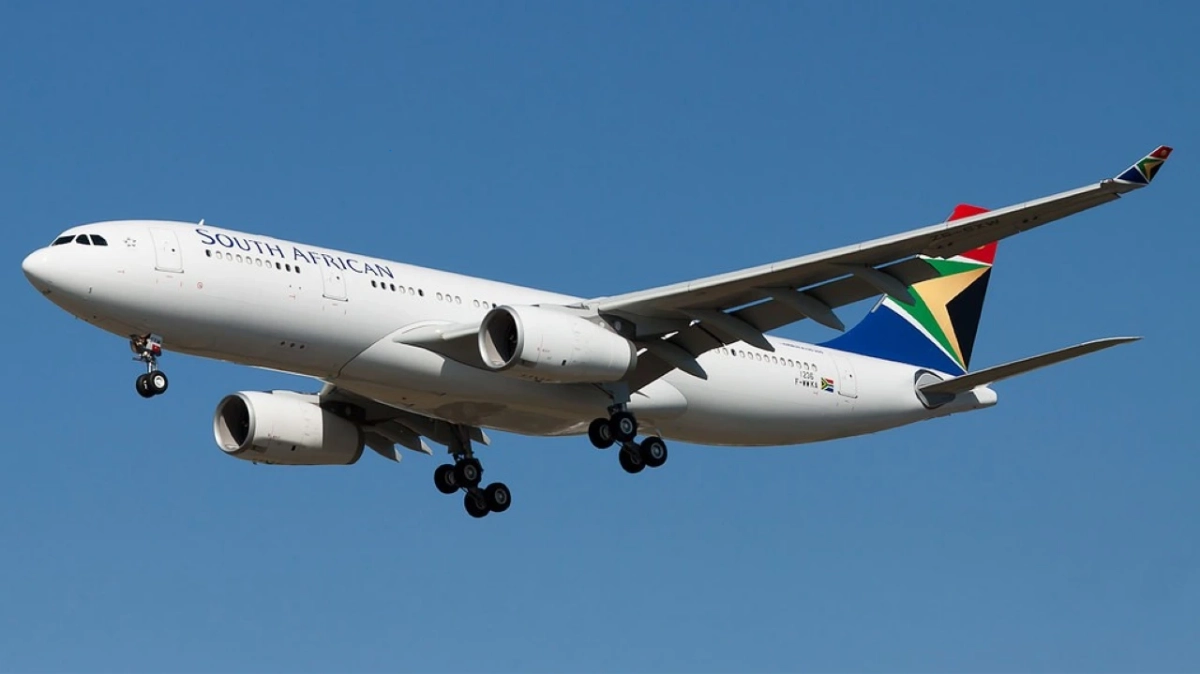
South African Airways operated Johannesburg to Mumbai for 19 years before suspending the route in April 2015. Jet Airways, then India’s second-largest private carrier, halted its own service on the route in June 2012 and has since ceased operations.
Airports Company South Africa has been working the problem. Mpho Rambau, ACSA’s acting group manager for traffic development, said the business case is “commercially viable and ready to go”, built on research showing more than 126,000 passengers a year already travelling between the two countries, mostly through connecting hubs in the Middle East. ACSA has presented that case to multiple carriers and described itself as in advanced dialogue with select partners.
SAA has been targeting a return to India in 2026, with delays attributed to restructuring and aircraft shortages. ACSA’s medium to long-term aim is to link all three of South Africa’s major international airports to India, with Mumbai to Johannesburg first because it carries 58% of the traffic.
The cost of the gap falls on tourism. Smita Srivastava, co-founder of tour operator Chalo Africa, has said Indian travellers are increasingly choosing East Africa because the connections are easier, and that “longer travel times mean fewer nights spent within South Africa”.
India’s outbound travel market was worth $18.82 billion in 2024 and is projected to reach $55.39 billion by 2034. South Africa’s stated goal is 15 million international arrivals a year by 2030.
The investment the flights are meant to serve
The $10 billion figure Ramaphosa cited is accumulated Indian investment in South Africa across more than 150 companies, not an annual flow and not a new commitment made at the summit.
Ramaphosa said Indian companies had welcomed the structural reforms underway in South Africa, specifically in energy, logistics, telecommunications and water, along with changes to visas and public digital infrastructure.
That is the same reform programme now the subject of debate about whether it is durable, with Business Leadership South Africa arguing this month that it should be written into law while the President has said it will not be reversed.
South Africa has also been working to widen its trade relationships, a process Southafriworld has tracked through the strain in the investment relationship with the United States and through the agricultural market openings concluded with India, Egypt and China over the past month.
What BRICS membership delivers
Ramaphosa said more than a fifth of South Africa’s trade is with BRICS countries.
The grouping expanded beyond Brazil, Russia, India, China and South Africa following a decision taken at the 2023 summit in Johannesburg. Egypt, Ethiopia, Iran, Indonesia, Saudi Arabia and the United Arab Emirates are now members. Together the bloc accounts for around half the world’s population and roughly a quarter of global trade.
South Africa has drawn development finance from the New Development Bank for energy, water and transport infrastructure. Ramaphosa said the country could access a $100 billion pool of currency reserves through the BRICS Contingent Reserve Arrangement in the event of a liquidity crisis, a facility that has not been drawn on.
The economic backdrop at home is weaker than the summit language suggests. Statistics South Africa reported this month that GDP contracted 0.2% in the second quarter, ending the run Southafriworld reported when the economy posted four consecutive quarters of growth.
What has to happen next
No airline has announced a launch date for a direct South Africa to India service, and no aircraft has been allocated to one publicly.
The most recent published position from ACSA and SAA dates to late 2025, when the target was a return during 2026 pending aircraft availability. Ramaphosa’s statement that South Africa is keen to restore the link indicates it has not happened.
Several things are unresolved. The CEOs Roundtable produced no announced agreements, values or timelines. No new Indian investment figure was disclosed at the summit. And the 28 weekly frequencies remain available to any carrier willing to use them, which makes aircraft supply, not policy, the binding constraint.
The next measurable step is a route announcement with a date attached.