









Land invasions are once again emerging as a major governance and legal challenge in South Africa, particularly in economically significant urban regions. Authorities, political parties, and oversight bodies have warned that the pace and scale of unlawful land occupations are increasing, exposing weaknesses in enforcement mechanisms and deepening tensions around housing, land access, and municipal capacity.
While land invasions are not a new phenomenon, recent developments suggest a resurgence in organised and opportunistic occupations, often occurring on strategically located land earmarked for infrastructure, housing projects, or economic development.
Background: Land Pressure in Urban South Africa
South Africa continues to face severe housing shortages, rapid urbanisation, and high levels of inequality. Large metropolitan areas attract internal migration due to access to employment, education, and services, placing sustained pressure on land and housing availability.
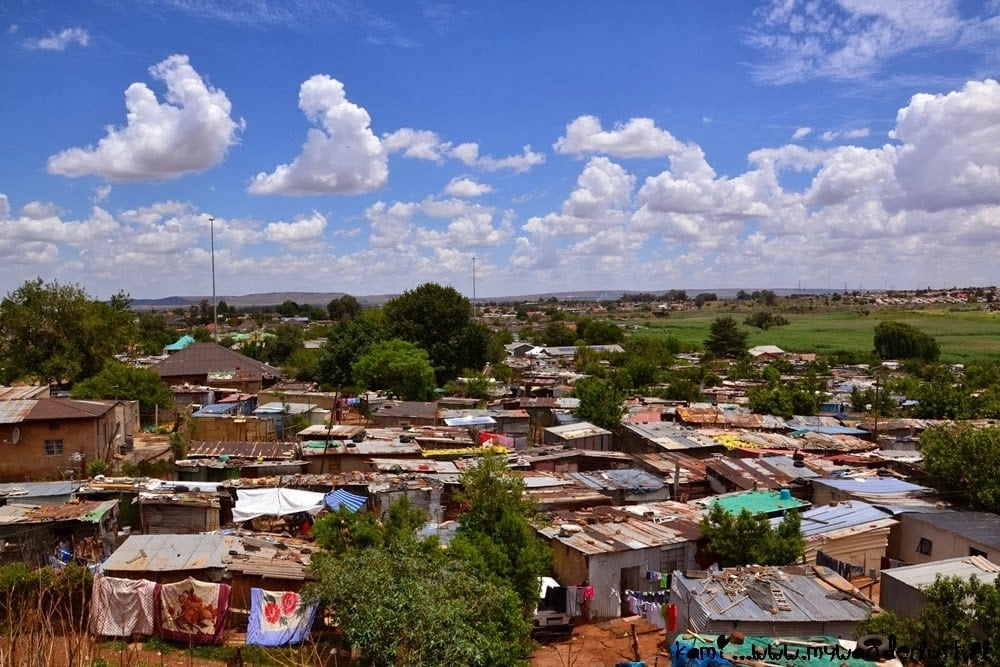
In this context, illegal land invasions typically occur when groups occupy land without legal authorisation, erecting informal structures and asserting de facto control before authorities can intervene. Once occupation becomes established, eviction becomes legally complex, time-consuming, and costly.
Urban municipalities, particularly in Gauteng, have reported that invasions are increasingly coordinated, sometimes involving individuals who identify land parcels, mobilise occupiers, and demand payment for plots.
Verified Facts: Rising Incidents and Official Warnings
Authorities and oversight bodies have confirmed an increase in reported land invasions, particularly in South Africa’s most economically valuable regions.
The Democratic Alliance has raised concerns following oversight visits and municipal briefings, warning that current legal frameworks are inadequate to address rapid land invasions effectively. According to the party, delays in enforcement often allow illegal occupations to become entrenched before lawful intervention can occur.
Municipal officials have similarly indicated that once informal settlements are established, constitutional protections relating to housing and dignity significantly complicate eviction efforts, even when land occupation is unlawful.
Legal Framework Governing Land Invasions
Land invasions and evictions in South Africa are primarily governed by the Prevention of Illegal Eviction from and Unlawful Occupation of Land Act (PIE Act). The legislation was enacted to prevent arbitrary evictions and ensure that removals occur in a humane and lawful manner.
However, legal experts and municipalities have long argued that the PIE Act was not designed to address large-scale, organised land invasions that occur rapidly and deliberately exploit procedural delays.
Courts have consistently ruled that:
- Evictions must be lawful and procedurally fair
- The rights of vulnerable occupants must be considered
- Municipalities have obligations to provide emergency or alternative accommodation in certain circumstances
These protections, while constitutionally grounded, can unintentionally incentivise unlawful occupation when enforcement is slow or inconsistent.
Institutional and Municipal Impact
For municipalities, land invasions create immediate and long-term challenges. Unplanned settlements strain water, sanitation, electricity, and road infrastructure. Land earmarked for housing developments, schools, clinics, or transport corridors can become unavailable once occupied.
Local governments have reported escalating legal costs as eviction applications are contested in court, often over extended periods. In many cases, by the time judgments are granted, occupations have grown substantially.
The South African Local Government Association has previously highlighted that land invasions undermine integrated development planning and compromise municipal budgets.
Economic and Property Implications
Land invasions also carry broader economic consequences. Investors and developers may delay or abandon projects due to uncertainty around land security and enforcement. Property values in affected areas can decline, and municipalities may lose potential revenue from rates and development charges.
In economically strategic provinces, these effects can ripple outward, affecting employment, infrastructure rollout, and investor confidence.
While land reform and housing delivery remain national priorities, unregulated land occupation complicates these objectives rather than advancing them, according to urban planning experts.
Public and Social Dimensions
From a social perspective, land invasions reflect deep-seated frustrations over housing access, service delivery, and inequality. Many occupiers cite desperation rather than criminal intent, particularly where waiting lists for formal housing stretch for years.
However, authorities have warned that organised land invasions often exploit vulnerable individuals, with occupiers paying intermediaries for land they do not legally own.
Civil society organisations have emphasised that sustainable solutions lie in accelerated housing delivery, transparent land allocation, and proactive municipal enforcement before occupations take root.
Calls for Legislative Reform
There are growing calls for amendments to existing legislation to allow for faster intervention in the early stages of land invasions, while still protecting constitutional rights.
Proposals under discussion include:
- Clearer authority for immediate removal before structures are established
- Streamlined court procedures for urgent cases
- Stronger penalties for organisers of illegal land occupations
Government has not announced formal legislative amendments at this stage, but the issue is expected to feature prominently in policy and parliamentary debates.
What Happens Next
Municipalities, law enforcement agencies, and provincial governments are expected to increase monitoring of high-risk land parcels. Some cities have begun deploying rapid-response units aimed at preventing occupations before they become established.
However, without legislative reform and improved housing delivery, experts warn that land invasions will remain a recurring challenge.
The balance between constitutional protections, housing rights, and the rule of law continues to shape South Africa’s approach to land governance, with courts likely to remain central arbiters in disputes.