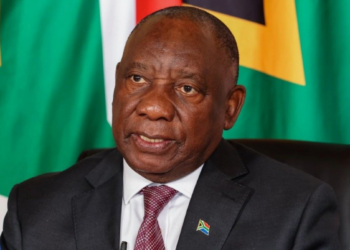






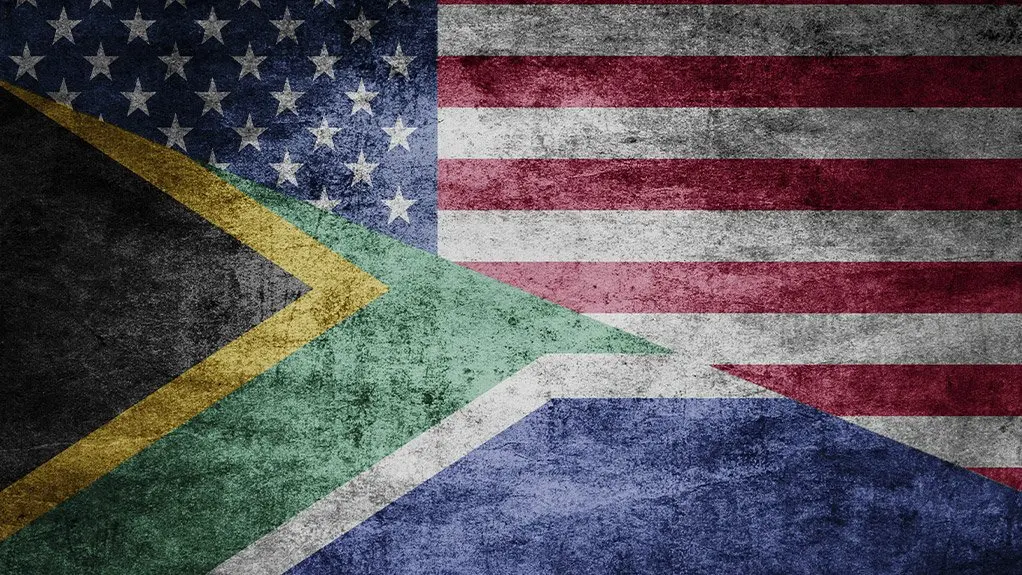
The United States government has issued a formal warning indicating that South Africa could face potential sanctions-related consequences if its actions are found to be inconsistent with US sanctions laws and enforcement regimes. The warning does not constitute the imposition of sanctions but serves as an official notification of legal and policy risks under United States law.
South African authorities have acknowledged the warning, emphasising that the country’s foreign policy remains guided by constitutional principles, international law, and multilateral engagement.
Background: US Sanctions and Global Enforcement
The United States operates one of the world’s most extensive sanctions systems, applying economic and financial restrictions on countries, entities, and individuals through domestic legislation with extraterritorial reach. These measures are enforced globally through the dominance of the US dollar, international banking networks, and cross-border trade systems.
Countries that maintain commercial, financial, or diplomatic engagement with sanctioned entities may face secondary sanctions or restrictions, even if they are not direct targets of US measures.
South Africa, as a globally integrated economy with strong financial sector links, is not immune to the indirect effects of such enforcement.
Verified Facts and Official Warning
The warning was issued through official United States government channels, outlining that certain forms of cooperation, trade, or facilitation involving sanctioned entities could expose South African institutions or companies to enforcement action under US law.
The United States has not announced:
- Any sanctions against the South African government
- Any designation of South African entities or individuals
- Any immediate penalties or enforcement actions
The communication is preventative in nature and is intended to clarify legal boundaries under existing US sanctions legislation.
Institutional and Legal Context
US sanctions are primarily administered and enforced by the US Department of the Treasury, through its Office of Foreign Assets Control (OFAC).
OFAC is responsible for implementing economic and trade sanctions based on US foreign policy and national security objectives. Its regulations apply to US persons and, in certain cases, to non-US entities that interact with the US financial system.
Official sanctions frameworks and guidance are published by the Treasury Department:
🔗 https://ofac.treasury.gov/
In addition, the US Department of State plays a role in diplomatic engagement and policy signalling related to sanctions enforcement.
South Africa’s Position
South Africa’s Department of International Relations and Cooperation has previously stated that the country’s foreign policy is based on non-alignment, multilateralism, and respect for international law.
Government has not indicated any intention to change its foreign policy approach in response to the warning, but officials have confirmed that diplomatic engagement with the United States remains ongoing.
South Africa has also reiterated that it complies with United Nations–mandated sanctions, which are binding under international law, while reserving the right to pursue independent diplomatic relations outside unilateral sanctions regimes.
Economic and Business Implications
For South African businesses and financial institutions, the warning underscores the importance of compliance awareness when operating in jurisdictions or sectors subject to US sanctions.
Banks, exporters, logistics firms, and multinational companies are particularly exposed due to their reliance on international payment systems, correspondent banking relationships, and global supply chains.
Industry bodies have indicated that companies typically assess sanctions risk internally and seek legal guidance to avoid inadvertent violations of foreign sanctions laws.
Public and Policy Impact
For the general public, the warning does not translate into immediate economic consequences such as trade bans, currency controls, or restrictions on travel. Any such outcomes would require formal sanctions decisions, which have not been announced.
From a policy perspective, the development highlights the growing complexity of operating within a fragmented global order, where competing legal and political systems increasingly overlap.
What Happens Next
No enforcement action has been announced against South Africa. Any future steps would depend on:
- Specific conduct assessed under US sanctions law
- Formal designation or enforcement decisions by US authorities
- Diplomatic engagement between the two governments
South African authorities have indicated that they will continue engaging through diplomatic channels and monitoring developments.