


What Lamola said
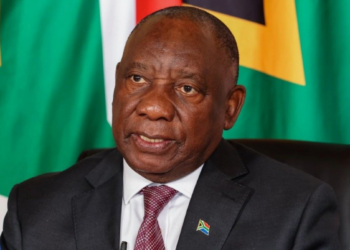
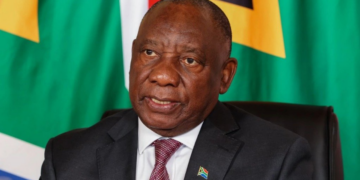
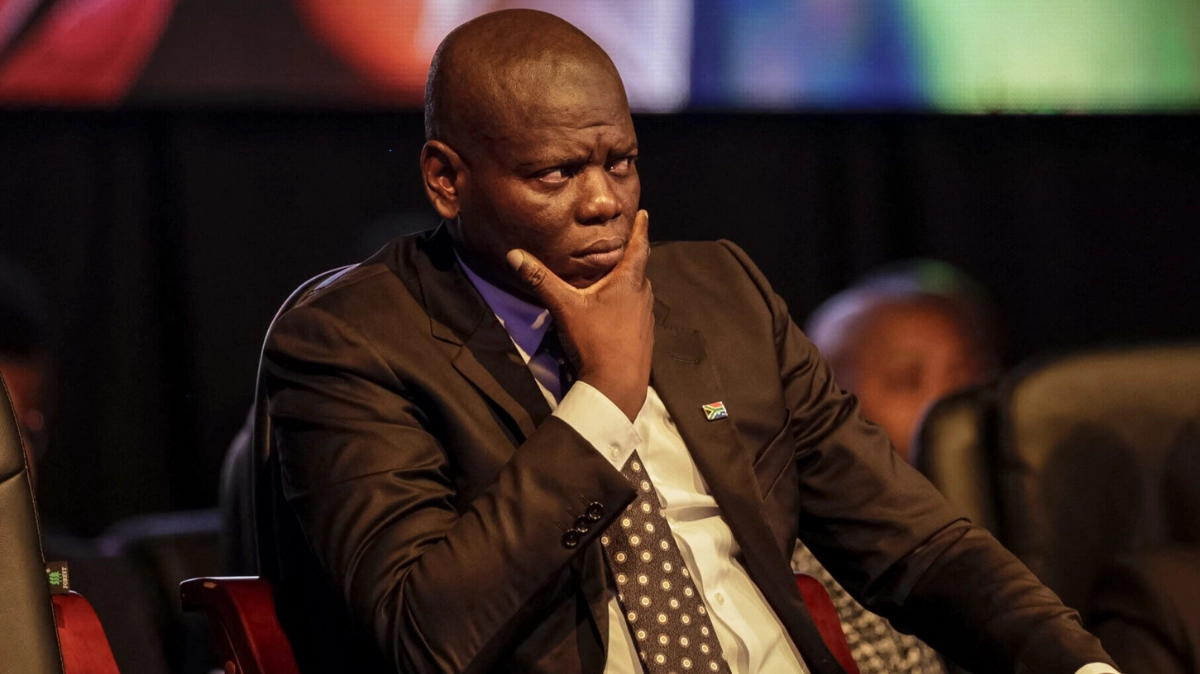
South Africa has responded to the Lamola US visa restrictions dispute with a statement from the Minister of International Relations and Cooperation that rests on one argument above all others: that South Africa is entitled to make its own laws.
Ronald Lamola issued the response on Wednesday, 16 September 2026, a day after United States Secretary of State Marco Rubio announced a visa restriction policy aimed at people the State Department determines enact or enable policies it describes as race-based discrimination, land confiscation without compensation and incitement of racial violence.
Lamola said he had noted the restrictions with concern, and that the announcement aligned with a mischaracterisation of South Africa’s domestic policies by “fringe groups who wrongly portray themselves as representatives of ‘minorities’ and Afrikaners in general”.
“It is our sovereign right to put in place laws” that address the nation’s concern over centuries of racial injustice, he said, adding that legislation in the democratic era is intended to improve the position of people excluded for centuries, and that this is consistent with other countries that share South Africa’s history.
He said South Africa respects that the United States may hold different views, and framed the point as one of reciprocity. South Africans respect the right of the American people to develop laws to address their own conditions, he said, and expect the same respect in return.
What the Lamola US visa restrictions response says, point by point
| What Rubio’s announcement cited | What Lamola’s statement addresses |
|---|---|
| Race-based discriminatory legislation | Legislation in the democratic era is intended to improve the position of people excluded for centuries, and enacting it is a sovereign right |
| Threats of land expropriation without compensation | Not addressed. The statement does not use the words land or expropriation |
| Incitement of racial violence through chants and slogans | Points to the Prevention and Combating of Hate Crimes and Hate Speech Act 16 of 2023, described as binding on both state and non-state actors |
| Racially motivated crime against minorities | Says crime affects everyone in South Africa and does not target anyone on the basis of race, colour or social origin |
The gap in that table is the notable feature of the response. Land has been the central charge in the United States case against South Africa since the Expropriation Act was signed in January 2025, and it was named again in Rubio’s announcement. The Minister’s statement does not engage with it.
Nothing in the statement explains the omission, and Lamola has previously addressed land reform in other settings. What the statement does is move the argument from the content of the laws to the question of who is entitled to make them.
On rural crime, the statement is similarly general. It refers to “the challenges of crime in South Africa” without mentioning farm attacks, and rejects the claim that crime is directed at any group by race.
The argument he actually makes
Two elements of the response are worth separating out, because they are not simply a rebuttal.
The first is the sovereignty argument, which is a claim about jurisdiction rather than about whether the policies are good. Lamola says South Africa will keep addressing these matters through its constitutional institutions, democratic processes and the rule of law.
The second is that South Africa answered a charge of racial discrimination by citing an international anti-racism instrument. Lamola presents the Hate Crimes and Hate Speech Act as part of South Africa’s commitments to the international convention on the eradication of racial discrimination and the protection of the dignity of all people.
That framing places the two governments on the same treaty terrain rather than in opposition on it, and it is the part of the statement least covered elsewhere.
Lamola closed by arguing that the bilateral relationship can only be repaired through engagement between state actors on both sides, and not through unilateral acts. He said ongoing bilateral discussions demonstrate the importance both countries attach to finding a lasting solution.
Where South Africa sits against the rest of Africa
For readers weighing how serious this is, scale helps.
The policy Rubio announced targets individuals the State Department determines enact or enable specified policies. It is not a country-wide restriction on South African passport holders, and no names have been published.
Reporting earlier this year recorded 38 countries required to post visa bonds of $5,000, $10,000 or $15,000 when applying for a United States visa, 24 of them in Africa, alongside 12 African countries under outright travel bans. South Africa appeared in neither group, and does not appear among the 39 countries named under Presidential Proclamation 10998, which took effect on 1 January 2026.
What has changed for ordinary South African applicants is administrative rather than political. Routine visa services at the United States Consulate General in Durban ceased on 1 August 2026 under an Africa-wide realignment of visa processing into regional hubs.
What happens next
This is the latest step in a relationship that has been deteriorating for nineteen months.
- February 2025: A White House executive order on South Africa. Rubio declines to attend the G20 in Johannesburg. United States financial assistance is cut, citing land reform policy and South Africa’s case against Israel at the International Court of Justice. Lamola, then awaiting a response to requests for talks, says “we will not be defocused by this issue”.
- December 2025: Home Affairs raids a centre processing Afrikaner refugee applications in Johannesburg and arrests seven Kenyan nationals for working on tourist visas. Rubio condemns the detention of United States officials and alleges their passport details were released, calling it “an unacceptable form of harassment” and warning of severe consequences. South Africa denies releasing the details and says no United States officials were arrested.
- 1 August 2026: Routine visa services end at the Durban consulate.
- 15 September 2026: Rubio announces the visa restriction policy.
- 16 September 2026: Lamola responds.
Several things remain unresolved. No individual has been named under the policy, and no figure has been given for how many people it is expected to affect. Lamola refers to ongoing bilateral discussions but gives no date, venue or participants. And no United States response to his statement had been published at the time of writing.
The commercial relationship remains a separate track, including the African Growth and Opportunity Act extension to December 2028 and the tariffs applied to South African goods, which Southafriworld has covered in its reporting on American companies operating in South Africa.
HOW WE REPORTED THIS CROSS-CHECKED
- Lamola's full statement was read in the version published in full, rather than worked from summaries, so that what it addresses could be compared directly against what Rubio's announcement cited.
- The observation that the statement does not use the words land or expropriation is a reading of the full published text. It is reported as a fact about the statement, not as a criticism, and the article notes that Lamola has addressed land reform in other settings and that the statement gives no reason for the omission.
- The positions of both governments are attributed to them and reported on their own terms. Southafriworld does not adjudicate whether South Africa's policies are discriminatory or whether the United States characterisation is accurate.
- The severe consequences warning quoted in the timeline dates to December 2025 and relates to a separate incident. Southafriworld could not confirm any new warning in that language this week, and the article dates the original accordingly rather than presenting it as current.
- The visa bond and travel ban figures come from reporting earlier in 2026 and may have changed since. They are included for scale and are dated as such.
- No United States response to Lamola's statement had been published at the time of writing, and the article says so.
- No comment was sought from the Department of International Relations and Cooperation or the United States Department of State for this article. Every quotation used was already on the public record.