







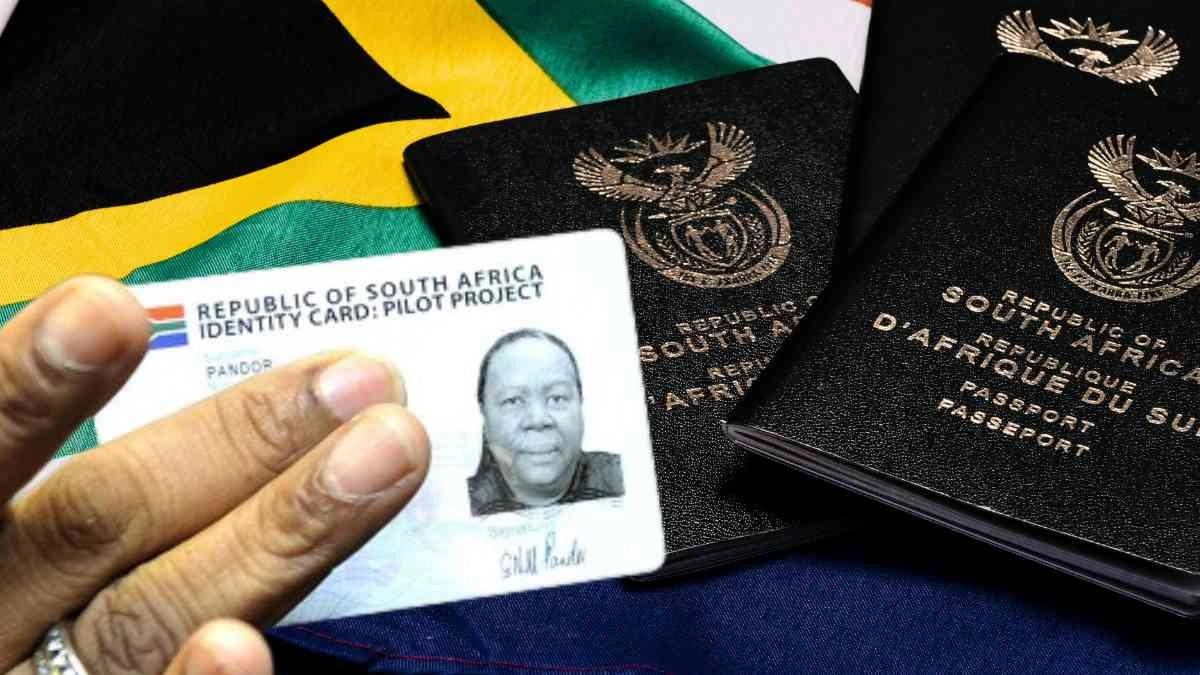
South Africans who need a new Smart ID or passport have some real good news, even if the full system overhaul is still being built. Government’s current direction is toward fewer manual bottlenecks, more digital access, and a wider footprint for Home Affairs services through bank branches and online booking tools.
The stronger and more accurate angle here is not that Home Affairs has suddenly solved all document delays overnight. It has not. What the current public record supports is that South Africa is pushing ahead with a 2026 digital identity rollout, while Home Affairs is also expanding Smart ID and passport services through major bank branches and online appointment systems.
What we know so far
The clearest current sign comes from reporting on the government’s 2026 digitisation push. Public reporting on the Department of Home Affairs says President Cyril Ramaphosa confirmed during the 2026 State of the Nation Address that a national digital identity system would launch in 2026 as part of the MyMzansi platform. The same reporting says Home Affairs Minister Leon Schreiber stated that the first phase would focus on Home Affairs services and that Smart ID and passport services were being expanded through major South African bank branches.
That matters because the department has long relied on limited physical offices and in-person processing. Expanding bank-branch access would make document applications more convenient for many people who currently struggle with long queues or poor branch access. It would also widen the number of locations where South Africans can access key services without depending only on traditional Home Affairs offices.
There is also already an official sign of procedural improvement. The government’s passport service page says the Department of Home Affairs has launched an online booking system for some offices, directing users to the DHA online booking portal. That does not make the process fully digital, but it does show that the state is trying to reduce walk-in congestion and make appointments more structured.
The same official page also confirms that passport-related information and bookings are now linked more directly to online channels. That means the current “good news” is partly about future reform and partly about the fact that some practical digital tools are already live.
Why it matters
This matters because Smart IDs and passports are essential gateway documents. They affect travel, banking, employment, education, access to services and legal identity. When these systems are slow or overloaded, the damage goes far beyond irritation at a government queue. It can delay major life and business decisions.
A digital identity system could change that significantly if it is implemented properly. The public reporting says MyMzansi is meant to reduce the need for in-person visits to government offices, with Home Affairs leading the first phase. If that happens as planned, it would mark one of the biggest practical shifts in how South Africans interact with identity services in years.
The expansion of bank-branch services is important for a different reason. It does not require the whole state to become instantly digital before applicants feel a benefit. If more branches offer Smart ID and passport services, many users could see quicker gains through easier access and shorter travel distances even before the full digital identity ecosystem is in place.
The online booking system also points to a quieter but useful improvement. Administrative systems do not need to become futuristic to get better. Sometimes they just need to stop forcing people to arrive before sunrise and wait in misery because bureaucracy enjoys performance art. An appointment system for more offices can make the process more predictable, even if not yet perfect.
Key details and figures
The most important timeline detail is 2026. That is the year public reporting says the national digital identity system is scheduled to launch under MyMzansi, with Home Affairs services in the first phase.
The most important current practical detail is that the official passport page already confirms an online booking system for some offices. The page directs applicants to a list of offices and to the DHA online authentication and appointment portal.
Another important point is that the public reporting does not describe the reform as limited to one document type. It says the digitisation effort includes South African IDs, passports, driver’s licences and matric certificates over time, though Home Affairs services are expected to come first. That makes the Smart ID and passport story part of a wider state digitisation project rather than a one-off service tweak.
The available official service guidance still shows that in-person document systems remain active and important. So the most defensible reading is that applicants are looking at a transition period in which online booking and expanded access begin to improve the experience before the larger digital identity system matures.
What happens next
The next step is implementation. If the 2026 digital identity rollout proceeds and Home Affairs expands services through more bank branches, South Africans needing new Smart IDs and passports could face fewer bottlenecks and more access points.
But the key test will be whether these announcements translate into visible service improvements on the ground. The current evidence supports optimism, not victory laps. For now, the safest conclusion is narrow and factual: there is good news for people who need a new Smart ID or passport because Home Affairs is moving toward wider digital access, expanding bank-branch services, and already using online booking tools in parts of the system.