









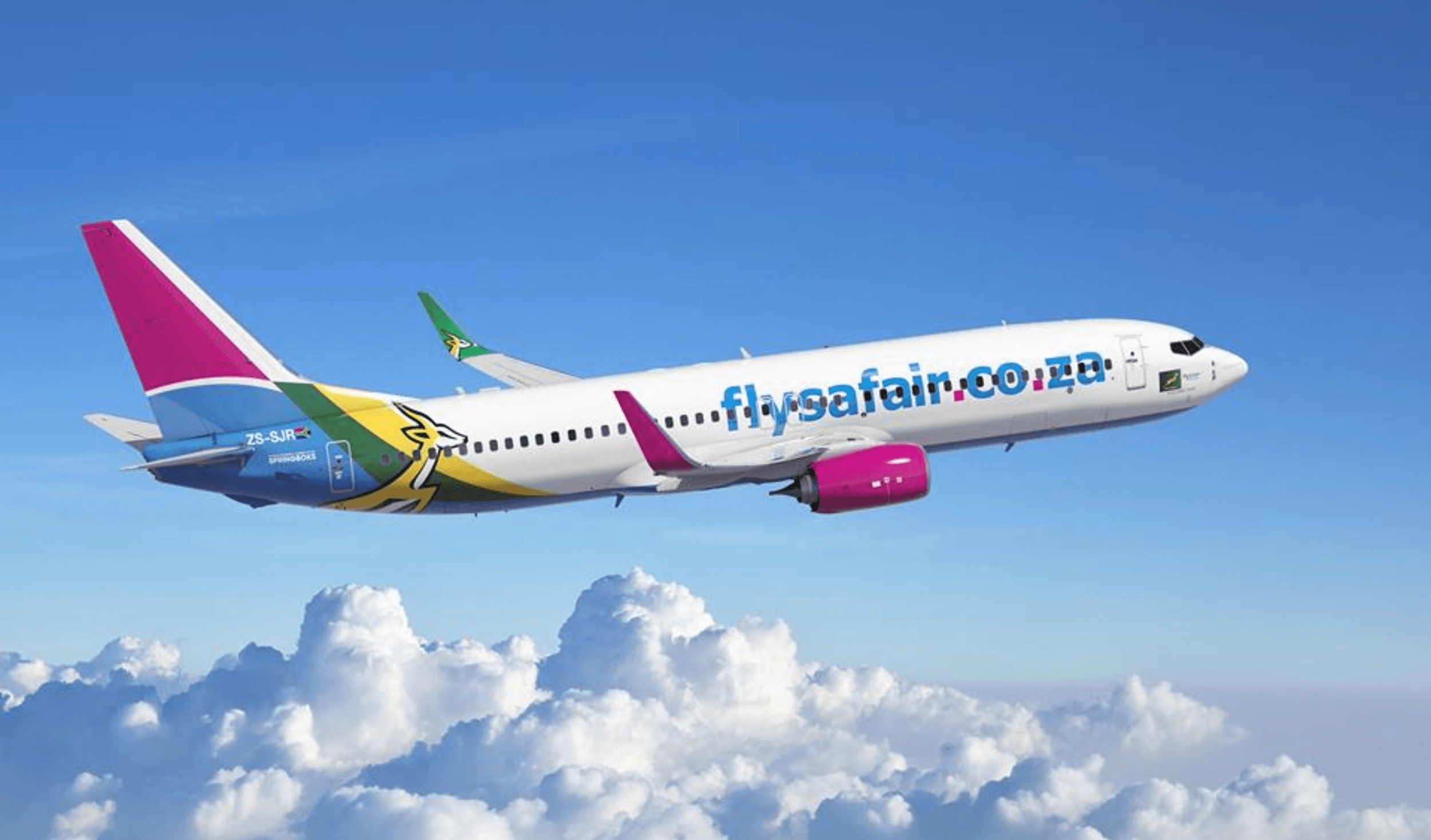
South Africa’s largest domestic airline, FlySafair, has been sold to a consortium of black empowerment investors, marking a significant ownership shift in the country’s aviation sector and bringing clarity to regulatory questions that have surrounded the airline for several years.
The transaction results in FlySafair moving out of the ownership of the Safair Group and into a newly structured, black-controlled investment consortium. While the financial value of the deal has not been publicly disclosed, industry reporting confirms that the sale has been concluded and is moving through final regulatory processes.
Why FlySafair was put up for sale
FlySafair’s ownership structure has been under scrutiny due to South African aviation regulations, which require local airlines operating scheduled services to be majority owned and effectively controlled by South African citizens.
Over recent years, this issue has drawn attention from regulators and industry bodies, creating uncertainty around the airline’s long-term compliance. Analysts note that the sale directly addresses these concerns by aligning FlySafair’s ownership with both the Air Services Licensing Act and broader transformation objectives in the transport sector.
Who the new owners are
The acquiring group is described as a consortium of black empowerment investors with interests across aviation, infrastructure, and financial services. While the identities of all consortium members have not yet been publicly detailed, reporting indicates that the new shareholders intend to retain FlySafair’s existing management team.
This continuity is expected to ensure operational stability and maintain the airline’s established low-cost business model.
No immediate impact on passengers or operations
FlySafair is a dominant player in South Africa’s domestic aviation market, operating one of the country’s largest narrow-body fleets and servicing major routes between Johannesburg, Cape Town, Durban, and other regional hubs.
Aviation experts say passengers should not expect any immediate changes as a result of the ownership transition. Flight schedules, ticket bookings, and fare structures are expected to continue as normal, with no announced changes to routes or customer policies.
Industry observers emphasise that airline sales typically focus on ownership and governance rather than operational restructuring, particularly where management and fleet strategies remain unchanged.
Significance for South Africa’s aviation sector
The sale is being viewed as an important milestone in the transformation of South Africa’s aviation industry. Ownership compliance has been a sensitive issue across the sector, and the FlySafair transaction is likely to be cited as a precedent for how similar challenges may be resolved in future.
Economists also point out that removing regulatory uncertainty strengthens FlySafair’s long-term position, potentially improving investor confidence and allowing the airline to focus on growth rather than compliance disputes.
Market position remains strong
Despite the change in ownership, FlySafair’s market position is not expected to shift in the short term. The airline remains one of South Africa’s most reliable carriers by punctuality and has steadily expanded capacity on high-demand domestic routes.
The low-cost carrier competes primarily on price, frequency, and operational efficiency, and analysts believe these fundamentals will remain intact under the new ownership structure.
What happens next
Regulatory filings are expected to be updated to reflect the new ownership, with aviation authorities reviewing the transaction as part of standard post-sale oversight. Further details on the consortium’s long-term strategic plans may be communicated once the transition process is fully completed.
For now, FlySafair’s leadership has signalled business continuity, positioning the sale as a governance and compliance milestone rather than a change in day-to-day airline operations.