









What we know so far
The South Africa migrant exodus has left farms, factories and households scrambling for labour, with unpicked citrus standing in orchards as the harvest season runs on.
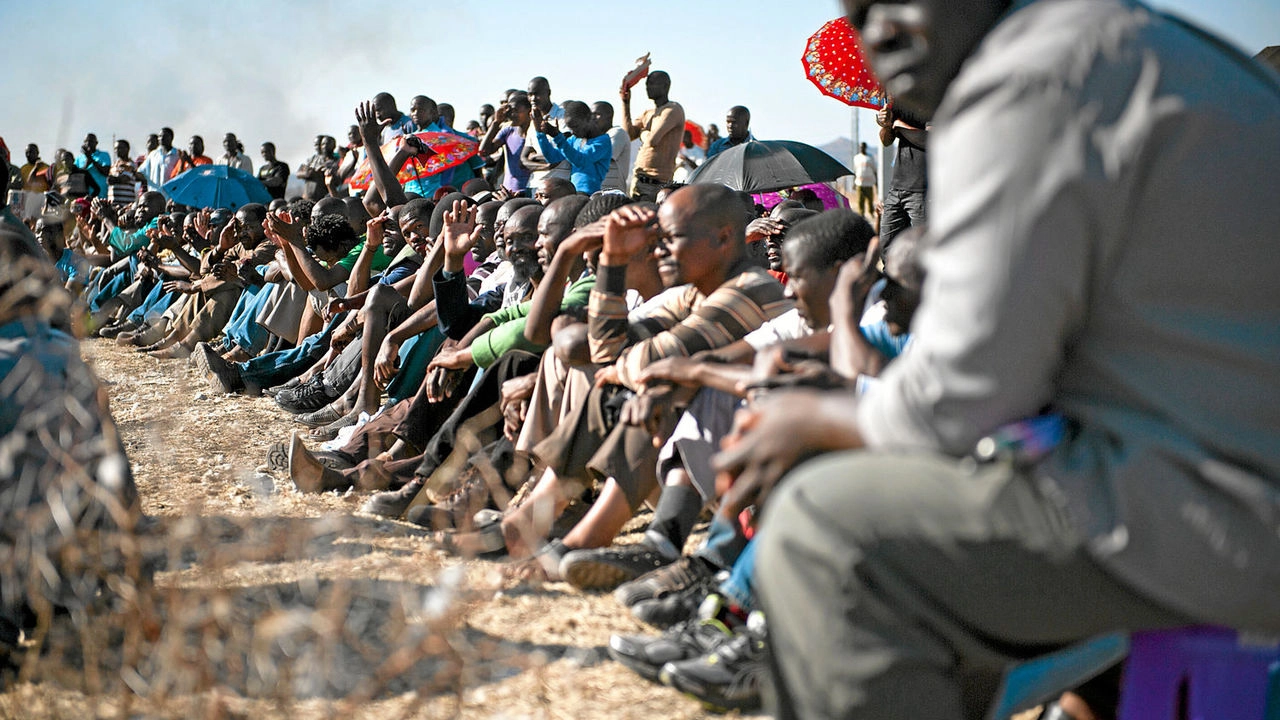
More than 160,000 foreign nationals have left South Africa in a matter of weeks, according to an AFP tally compiled from figures released by the African governments repatriating their citizens.
The departures followed an unofficial 30 June deadline set by anti-immigrant groups for undocumented migrants to leave the country, alongside intensified immigration enforcement.
Zimbabwe accounted for the largest share of those returning. Its government has said many had worked in South Africa’s farming, domestic work and construction sectors.
The first strain was felt in KwaZulu-Natal’s sugar belt. One north coast farmer said he lost up to 80% of his cane-cutting workforce virtually overnight, according to AFP.
The pattern has since spread to the citrus regions of the Western and Eastern Cape and to manufacturing.
Zimbabwean farmworker Aaron Majatamhe, aged 33, described the scene in one top fruit-producing region. He said many farm owners are now distressed because the naartjies need harvesting and there is no one to do it, and that the vineyards face the same shortage as the grape harvest arrives.
This account is contested, and the article sets out both sides below. What is confirmed is the scale of the departures and the fact that at least four foreign nationals have been killed, according to police data.
What the South Africa migrant exodus means for food and prices
The immediate risk is to crops that are ready to pick now and cannot wait.
Citrus, sugar cane and wine grapes are labour-intensive and time-sensitive. A harvest missed in its window is income lost for that season, and in agriculture that can feed through to supply and, eventually, to prices.
The United States market matters here too, because South African citrus is a significant export. A domestic labour shortage at harvest compounds the trade pressure the sector already faces.
The disruption is not confined to farms. In Durban’s Chatsworth industrial area, a clothing factory manager said the departure of skilled machinists from Malawi and Mozambique had left factories struggling to meet orders, saying on condition of anonymity that targets could barely be met because most of those workers were forced to go.
In the taxi industry, Cape Organisation for the Democratic Taxi Association chairperson Nceba Enge said commuter numbers had held up but that specialist skills were now scarce, citing the loss of workers who made seat covers and skilled auto electricians who repaired vehicles.
Industry groups are urging government to create legal pathways for seasonal foreign labour.
Siyabonga Madlala, chief executive of the South African Farmers Development Association, said there may be a need for a special dispensation allowing seasonal labour from Southern African Development Community countries where local supply is insufficient. More than 60% of South Africa’s immigrants are estimated to come from that 16-member bloc.
Key details and figures
Departures recorded by the repatriating governments and the economic backdrop:
| Measure | Figure |
|---|---|
| Total departures, AFP tally | More than 160,000 |
| Largest single group | Zimbabweans |
| Foreign nationals killed, police data | At least four |
| Unemployment rate, first quarter 2026 | Nearly 33% |
| People without work | 8.1 million |
| World Bank 2026 growth forecast, June cut | 1.0%, down from 1.4% |
| Estimated share of immigrants from SADC | More than 60% |
The claim that the departures create a genuine labour shortage is fiercely disputed, and the dispute is central to the story.
With unemployment above 33%, and higher when discouraged jobseekers are counted, labour unions and researchers argue there is no shortage of South Africans willing to work.
They contend that many employers favoured migrant workers because they were cheaper, more flexible and less likely to demand formal contracts, benefits or legal protections.
Patrick Williams, an organiser with the Commercial, Stevedoring, Agricultural and Allied Workers Union, said employers were making a profit out of foreign nationals. He said foreign farmworkers routinely worked seven days a week, skipped lunch breaks to maximise piece-rate earnings, and were often paid below the national minimum wage of a little more than R23 an hour.
A separate strand of the dispute concerns dismissals. The Casual Workers Advice Office said it had received an estimated 3,000 reports of dismissals, intimidation and workplace discrimination, and that dismissals began before the protests peaked.
Through its Simunye Workers Forum, the organisation said it had documented cases at named farms and factories where workers from Malawi, Zimbabwe, Lesotho and Mozambique allegedly lost their jobs or were told not to return. Those allegations have not been tested by a court or a bargaining body.
On the economic question, a study by the United Nations International Labour Organization, using labour force survey data, found that as immigrant participation in the workforce rises, employment opportunities for South African-born workers also rise.
Susanna Deetlefs of the Armed Conflict Location and Event Data Project said protests disrupt economic activity through looting and business closures, and that supply chains are disrupted, jobs lost, and access to goods and services curtailed when tensions escalate.
What happens next
The March and March movement has said it will hold weekly demonstrations every Thursday until undocumented migrants are removed, a campaign its leader Jacinta Ngobese-Zuma has said will run for six months, taking it toward the November local government elections.
Ngobese-Zuma has rejected accusations that the movement is xenophobic, saying it campaigns for the wellbeing of South Africans.
The immediate agricultural test is the remaining citrus and grape harvest window, which runs through the coming weeks. Whether local workers can be recruited and trained in time will determine how much of the crop is lost.
The policy question is whether government responds to industry calls for a regulated seasonal worker scheme, and no such programme has been announced.
The safety question remains the most serious. Police have confirmed at least four deaths of foreign nationals, while some foreign governments have put the toll higher, and those figures are disputed on the public record.
Investors have so far reacted calmly, according to Reuters reporting, though analysts say the protests add a new risk factor to an economy already growing slowly.
For consumers, the effect on food supply and prices will only become measurable in the weeks after the harvest, and no official assessment of crop losses has yet been published.