






The solar levy South Africa is arguing about this week is not a national charge. It is a line item on municipal accounts in one Mpumalanga town, and it comes to R6 991.68 a year.
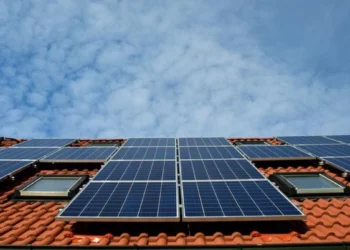
Thaba Chweu Local Municipality is billing R582.64 a month on properties that have disconnected from its electricity grid and rely on solar panels alone.
Those households receive no municipal electricity. They are billed anyway.
AfriForum issued a legal letter on Thursday demanding that the municipality and the National Energy Regulator of South Africa explain and rectify the charge. It has given both ten days from the date of the letter to respond, and says it will approach the High Court if they do not.
The organisation contends the levy may amount to an unlawful tax. That is a contention, not a finding. No court has ruled on it.
What a municipality has to be able to show
The substance of AfriForum’s letter is a document request, and it is the part of this story that travels beyond Thaba Chweu.
The organisation first wrote to the municipal manager on 20 July, asking for documentary proof of the process followed in adopting the tariff. It asked for five things.
- The relevant cost-of-supply study underpinning the tariff
- The public notices published before adoption
- The council resolutions approving it
- The comments received from the public
- The records showing how those comments were considered
According to AfriForum, the municipality did not respond.
That list is not specific to solar. It is the ordinary evidentiary trail behind any municipal tariff, and any ratepayer anywhere can ask their own municipality for the same five items.
Arlo van Heerden, AfriForum’s District Coordinator for the Lowveld, framed the dispute in those terms, saying the principle at stake is that “municipalities may levy only lawful, rational and properly approved tariffs”.
He added that Thaba Chweu and Nersa must account for charges levied on residents who are completely disconnected from the grid and are expected to pay for a service they do not receive.
What the charges cost, town by town
Thaba Chweu is not the only municipality AfriForum has queried. In July it asked the Emfuleni Local Municipality in Gauteng to set out the legal and regulatory basis for a proposed registration fee and fixed charge for solar users. AfriForum says that municipality also failed to respond.
| Municipality | Charge | Cost to a household | Status |
|---|---|---|---|
| Thaba Chweu, Mpumalanga | R582.64 a month, including on homes disconnected from the grid | R6 991.68 a year | Appearing on accounts now. Ten days given to justify it |
| Emfuleni, Gauteng | R2 400 once-off registration fee plus R463 a month | R7 956 in year one, R5 556 a year thereafter | Proposed. AfriForum has petitioned against it |
AfriForum’s petition against the Emfuleni charges had collected close to 1 000 signatures by July.
Deidré Steffens, AfriForum’s Adviser for Local Government Affairs, said the organisation has seen a marked rise in obscure levies and tariffs imposed by municipalities across the country, which she characterised as an attempt to extract more revenue without any matching improvement in services.
She said residents cannot be treated as a source of funds to make up for years of municipal debt and mismanagement.
That broader claim is AfriForum’s assessment. The two municipalities named above are the ones with figures on the public record.
Why the households are there in the first place
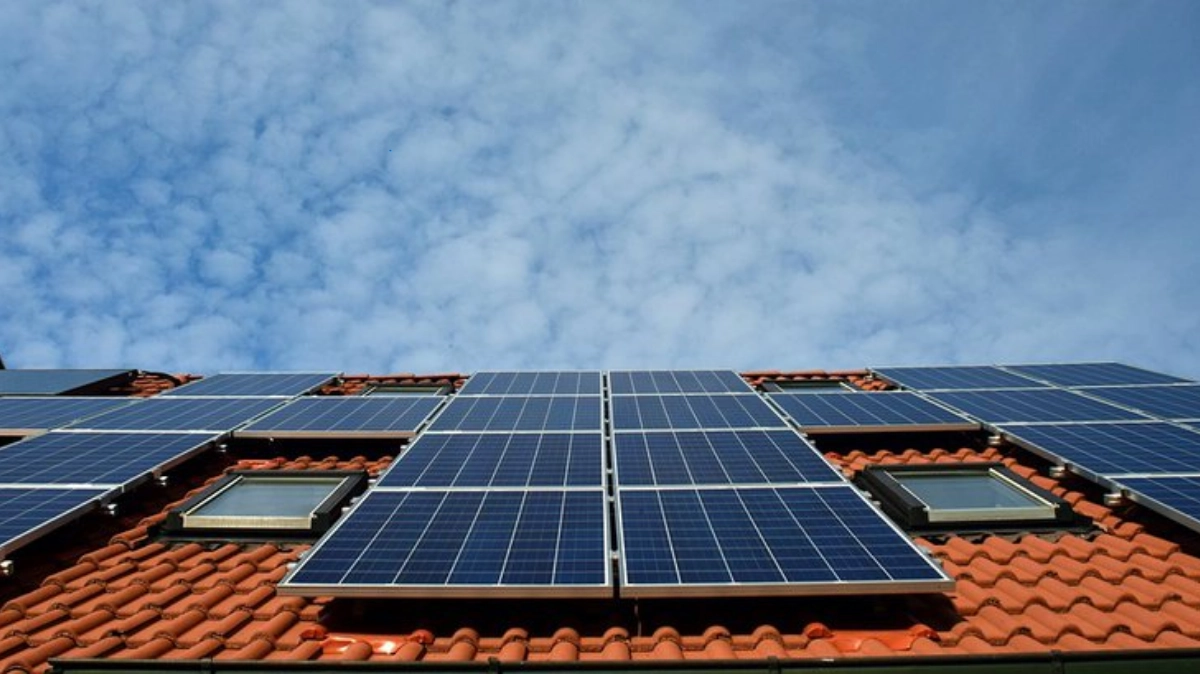
The residents now being billed are the ones who spent their own money to stop needing the municipal supply.
Rooftop solar uptake accelerated through South Africa’s worst load-shedding years, and has continued as households sought insulation from both outages and above-inflation electricity increases. Supply has since stabilised, as Southafriworld reported alongside the first real growth signal in the economy in months.
A charge of R6 991.68 a year is a material sum for most households, in a country where the second quarter unemployment figures show how little room most budgets carry.
In July, AfriForum described homes with rooftop solar as having become a piggy bank for municipalities under financial strain.
What has not been established
A great deal remains unanswered, and almost all of it sits with the municipality.
Thaba Chweu has not stated the legal basis for the charge, its purpose, or what service it is said to cover. It has not said whether a cost-of-supply study exists. It has not published how many households are affected or how much the levy raises.
Nersa has not commented on whether the tariff was submitted to it or approved.
The exact expiry date of the ten-day deadline has not been published, and neither has the text of the legal letter itself.
The account above rests substantially on AfriForum’s own statement, because the municipality did not respond to the organisation’s 20 July letter and has not issued a public response since.
Whether the levy is lawful is the question a High Court would have to answer, and no application has been filed.