








You can check your credit score for free. Under the National Credit Act, every South African is entitled to one free credit report a year from each registered credit bureau, and there are four main bureaus, so you can pull your record four times a year at no cost. On top of that, Experian’s free app Up and third-party apps like ClearScore, which uses Experian data, let you see your score on an ongoing basis at no charge. Checking your own score is a soft enquiry and does not lower it. Avoid any service that charges a monthly fee for what the bureaus give you free.
Where to check, and what it costs
| Service | What you get | Cost |
|---|---|---|
| TransUnion | Full credit report and score | One free report a year |
| Experian, via Up | Report and score, ongoing access | Free |
| XDS | Full credit report | One free report a year |
| ClearScore | Score and report using Experian data | Free |
The four registered bureaus are TransUnion, Experian, XDS and Compuscan, with Compuscan data now sitting under Experian after an acquisition. Because each bureau collects from different lenders, your score can differ between them, so checking more than one gives the fullest picture.
How to check your report, step by step
- Go directly to a bureau’s official site: transunion.co.za, experian.co.za or up.experian.co.za, or xds.co.za. Type the address yourself rather than clicking a link in a message.
- Register with your South African ID number, full name and cellphone number.
- Complete the identity check. The questions are drawn from your own credit history, such as a past account or repayment amount.
- Request your free report or open your score dashboard.
- Read the report for accounts you do not recognise, incorrect balances and outdated listings.
You will need your ID, a cellphone for the OTP, and answers to the security questions. The whole process takes about five to ten minutes per bureau.
Understanding your score
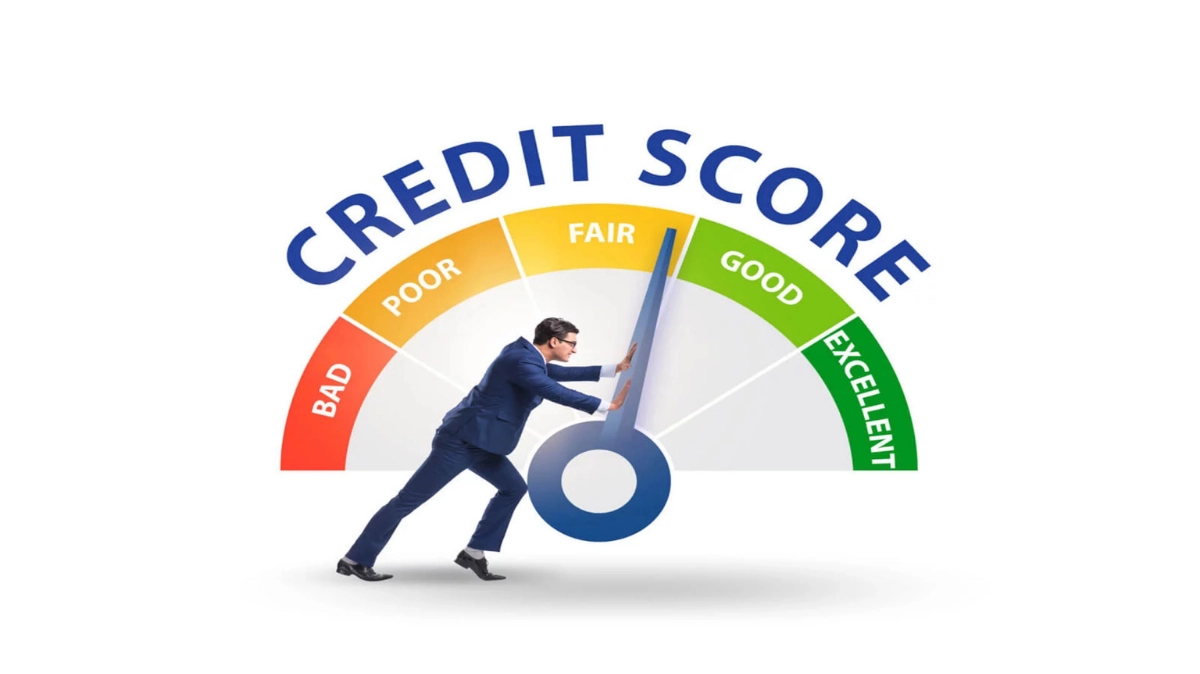
South African bureau scores usually sit on a scale from 0 to 999, though the bands differ by bureau, so the number only means something against that bureau’s own ranges. As a rough guide, higher is better: a strong score wins loan approval at lower interest rates, while a low score means rejection or a much higher rate.
Do not treat one bureau’s “good” cut-off as universal. TransUnion, for example, treats roughly 681 to 766 as good on its own scale, while ClearScore shows Experian data on a different 0 to 740 scale. Always read the band printed on your own report rather than a number quoted elsewhere.
Common problems and what they mean
If your score is lower than you expected, the usual causes are late or missed payments, high balances relative to your limits, or several recent credit applications close together. Each application a lender runs is a hard enquiry, and stacking many in a short period reads as financial stress.
If you see an account you never opened, treat it as possible identity theft. Report it to the bureau as fraud, open a case with the police, and contact the store or lender to close the account. Checking your report regularly is the main way people catch this early.
If a negative listing looks wrong or too old, you can dispute it. You have the right to dispute incorrect information directly with the bureau that holds it, and the bureau must investigate. Different listings fall away after set periods, so a listing that has outlived its retention window should be removed. Confirm the current retention periods with the National Credit Regulator, as they are set in regulation and applied per listing type.
Beware credit-repair scams. No legitimate service can delete accurate negative information, and paying a monthly fee for access the bureaus provide free is money wasted. If the underlying issue is unmanageable debt, a registered debt counsellor is the regulated route, not a repair promise.
FAQ
How do I check my credit score for free?
Register directly on a bureau’s site, TransUnion, Experian’s Up or XDS, verify your identity and request your free report. Experian’s Up and ClearScore also show your score free on an ongoing basis.
Does checking my own credit score lower it?
No. Checking your own score is a soft enquiry. Only a lender’s hard enquiry when you apply for credit affects your profile.
How often can I get a free credit report?
Once a year from each of the four registered bureaus, which is four free reports a year, plus ongoing free score access on platforms like Up and ClearScore.
Why is my credit score different on each app?
Because each bureau collects from different lenders and uses its own scoring model, so your data and score vary between them.
How do I fix a mistake on my credit report?
Lodge a dispute directly with the bureau that shows the error, with your ID and the account details. The bureau must investigate and correct genuine errors.
Should I pay for credit monitoring?
For most people the free annual reports and free apps are enough. Paid monitoring only makes sense if you are actively rebuilding a low score or recovering from fraud.
What to watch
Your free annual entitlement resets each year per bureau, so a sensible routine is to check one bureau every few months rather than all four at once. Retention periods for listings and the rules on disputes sit with the National Credit Regulator and can change through amendments to the National Credit Act, so confirm the current windows with the NCR before acting on an old listing.