



What Ramaphosa said about the white genocide claim
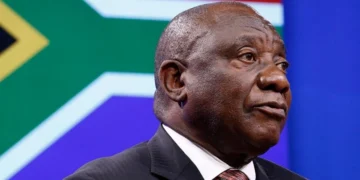
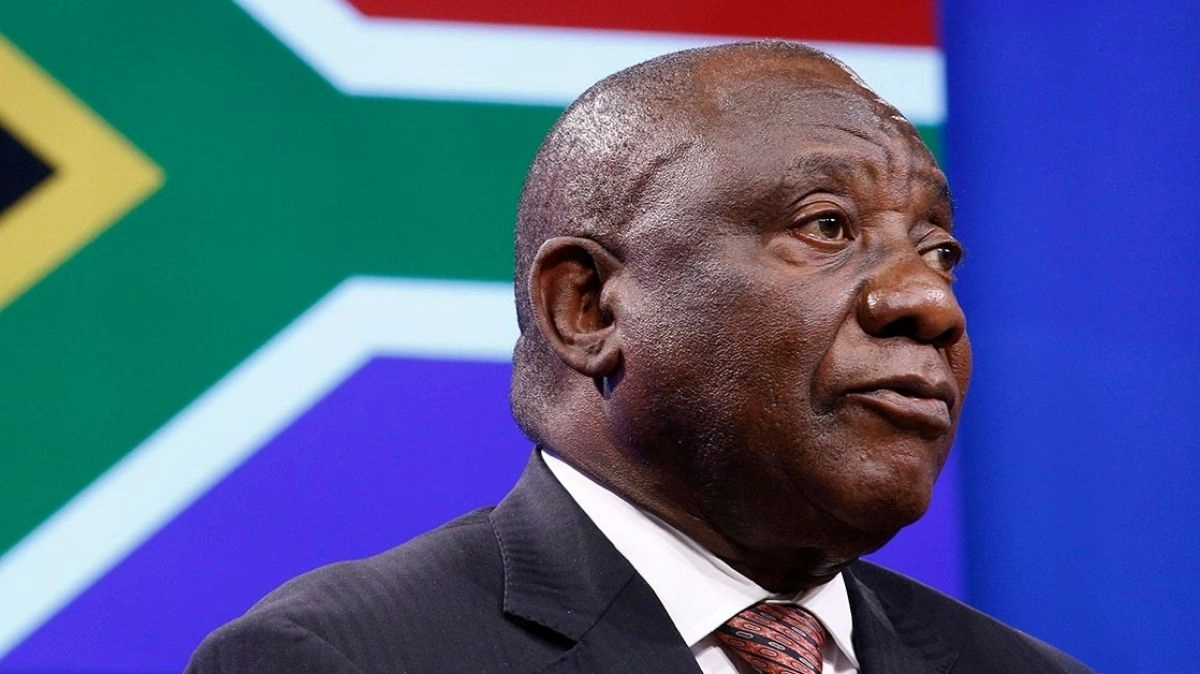
President Cyril Ramaphosa used his weekly newsletter on Monday, 28 September 2026, to reject the white genocide claim being made about South Africa abroad, and to criticise those travelling overseas to make it.
He argued that spreading what he called the falsehood of a white genocide, and discouraging investment in one’s own country at a time of high unemployment, is neither responsible nor patriotic.
His central argument was about redress. “There is no moral equivalence between redress and discrimination,” he wrote, adding that constitutionally grounded measures to correct past injustice cannot be equated with the systematic racial oppression of apartheid.
The newsletter, headed around the idea that constitutional values are part of a common heritage, said South Africans may be a diverse nation but “we are united by the constitutional values that make us South African”. He described heritage as something defended rather than only celebrated.
He made the same point about two other pressures. On violence against women he said the abuse, rape and killing of women is a stain on the national conscience. On foreign nationals he said inflammatory statements are dangerous and irresponsible, and that South Africa refuses to be defined by xenophobia and intolerance.
Ramaphosa has held this position consistently. He told Donald Trump in the Oval Office in May 2025 that “there’s no genocide here. We are not genocidal.”
The remarks followed United States Secretary of State Marco Rubio’s announcement of visa restrictions on South African officials in mid-September, over what Washington describes as race-based discrimination and uncompensated land seizures.
The five asks have now been described three ways
United States Ambassador Leo Brent Bozell III set out Washington’s five requests in public at a conference in March 2026. He described them again this week. The two accounts do not match.
| Position | As reported from March 2026 | As described in September 2026 |
|---|---|---|
| 1 | Prioritise the protection of farmers from violence | Leave the United States refugee programme alone, described as asked and answered |
| 2 | Condemn the Kill the Boer chant as hate speech | Expropriation without compensation, described as now with the courts |
| 3 | Scrap expropriation without compensation | Condemn the Kill the Boer chant |
| 4 | End the requirement that US investors cede 30% ownership under BBBEE | Not enumerated in the September account |
| 5 | Demonstrate non-alignment, including distance from Iran | Not enumerated in the September account |
Southafriworld reported separately last week that one account had the fifth ask changed from non-alignment to non-interference with the Afrikaner migration programme. On Bozell’s September description, that item is the first ask and is already satisfied.
Neither government has published an authoritative list. That is the gap.
One thing the September account does settle. Bozell said the asks followed months of dialogue through 2025 and were delivered in December 2025. Earlier reporting had placed them variously in June 2025, December 2025 and March 2026.
A 75% figure with no published poll
On the chant, Bozell made a specific quantitative claim.
As The Citizen published it, he referred to “kill the boer, kill the farmer” as incitement to violence and then said the concept is endorsed by three quarters of South Africans, adding that he had seen the polling data. The newspaper characterised the claim as an allegation.
Two things follow. No poll has been identified, and none was named. Southafriworld could not match the figure to any published survey.
The remark is also ambiguous as published. It is not clear whether the three quarters refers to South Africans who endorse the chant itself, or to South Africans who endorse treating it as incitement. Those are close to opposite propositions.
This matters because the figure is being used to argue that an ask is justified. A number carrying that weight should have a source attached to it, and this is the second time in a fortnight that a polling claim in this dispute has circulated without one.
What is verifiable, and what is contested
The distinction is worth drawing plainly.
On the record and checkable: Washington issued visa restrictions in mid-September and has named no individual under them. Trump’s executive order of January 2025 set out the United States position on the Afrikaner issue, rural farm attacks, hostility to American investment and strategic concerns. More than 7 700 Afrikaners had been admitted to the United States as refugees by late June, under a programme reshaped so that nearly all admissions are white South Africans, while pathways for other nationalities were largely closed. South African courts have considered the chant, and the Constitutional Court declined in 2024 to hear an appeal against a finding that it did not constitute hate speech. South Africa has one of the world’s highest murder rates and the overwhelming majority of victims are black.
Contested and not settled here: whether white South Africans, or Afrikaners specifically, are being persecuted or subjected to a genocide. Washington asserts a version of that case. Pretoria rejects it, with Ramaphosa saying there is no evidence of persecution against white people. Neither position has been tested in any forum both governments accept, and Southafriworld does not rule between them.
The dispute also sits inside an economy where unemployment remains the defining problem, which is the ground Ramaphosa chose for his argument about investment.
Where this leaves the relationship
Bozell has said the visa restrictions are just the beginning and signal Washington’s firm resolve. He has expressed disappointment in Ramaphosa’s handling of relations and said Washington has run out of patience. He has also said the names on the visa list will stay secret, and has suggested former president Thabo Mbeki is the best person to break the impasse.
His broader framing is that the process is simple: five requests, delivered in December, most of them still open.
Pretoria’s framing is that setting domestic policy is sovereign and that differences belong in diplomatic channels. Ramaphosa closed his newsletter urging vigilance against words and actions that polarise communities and reopen old wounds, and saying freedom of expression comes with responsibility.
Three things remain outstanding. No authoritative list of the five asks has been published by either government. No poll has been produced for the three-quarters figure. And Ramaphosa’s formal reply to Washington has not been sent, with the Presidency giving no date, a position unchanged since the ambassador took up his post and since the first warnings about sanctions.
HOW WE REPORTED THIS CROSS-CHECKED
- This article was built from President Cyril Ramaphosa's weekly newsletter of Monday, 28 September 2026, published in full through the Presidency's regular channel, and from the United States Ambassador's remarks reported the same week, both read as issued.
- The two governments' characterisations of the underlying dispute are reported on their own terms, and this article does not rule on whether persecution or a genocide is occurring, because that is a contested factual claim between two states and is not resolvable from the available material.
- The enumeration of Washington's five requests as described by the ambassador in September was set against the enumeration reported from his March 2026 address, and the differences between the two accounts are laid out rather than reconciled, because no authoritative list has been published by either government.
- The statement that three quarters of South Africans endorse the concept was examined for what it establishes, and the article records both that no poll has been identified and that the remark as published is ambiguous about what the three quarters refers to.
- Verifiable matters of record, including the court position on the chant, the refugee admissions and the absence of any named individual under the visa restrictions, are reported separately from the contested claims so readers can see which is which. No comment was sought from any party.
- This article was drafted with AI assistance and the facts, figures and quotations were checked against the primary source by the editor before publication.