







South Africa’s government has urged South Africans in parts of the Middle East to leave affected areas as soon as it is safe to do so, citing an escalating interstate conflict and growing uncertainty over travel routes and airspace access.
The advisory was issued by the Department of International Relations and Cooperation (DIRCO) on Wednesday, 4 March 2026, and is aimed at South Africans in the region for non-essential travel who want to evacuate cities and countries impacted by the conflict. DIRCO said it had recorded a sharp increase in registrations on the Travel Smart system, with more than 6,400 South Africans in the Middle East registering their presence as of 4 March.
The guidance comes as airline schedules across the region remain volatile and as governments and airports respond to security developments with partial or full airspace restrictions, which can change with little notice.
What DIRCO told South Africans to do
DIRCO’s message is focused on practical steps rather than a formal state-led airlift announcement.
The department said several airlines have resumed limited commercial flights out of the region and urged South Africans to take advantage of available routes immediately, warning that attacks were expected to continue in the coming days. DIRCO also discouraged all non-essential travel to the region until further notice.
For South Africans who encounter difficulties during the evacuation process, or who require urgent consular support, DIRCO published a set of official contact channels and asked citizens to use these avenues for coordination and assistance.
Official DIRCO consular contacts provided for urgent support include:
- DIRCO emergency line (Pretoria): +27 12 351 1000 (request consular services)
- South African Embassy in Amman, Jordan: +962 6 461 5167
- Jordan border inquiry line: +962 5 393 3031
- Coordination emails: [email protected] and [email protected]
- Emergency consular support officials: Litha Ngwanya (+972 50 520 8100) and Lizelle Segev (+972 54 588 0698)
DIRCO said these channels are intended to help citizens prepare for an exit from danger areas as soon as secure passage becomes possible.
Airspace shutdowns are a major constraint
While DIRCO is urging citizens to leave when safe routes are available, airspace shutdowns and flight disruptions have complicated evacuation planning, both for people inside the region and for families trying to track developments from South Africa.
News reporting in recent days has described evacuation plans being placed on hold at times due to widespread airspace closures and the knock-on effect on commercial aviation. Separate reporting has also cited South African officials saying that when airspace is closed across multiple affected countries, immediate movement may be impossible, and citizens may have to wait for airspace or land border routes to reopen.
This is a key reason why DIRCO’s advice emphasises preparedness and immediate action when limited flights become available. In practice, opportunities to leave can open briefly and then close again as conditions shift.
What Travel Smart registrations indicate
DIRCO’s reference to more than 6,400 South Africans registering on Travel Smart is significant for two reasons.
First, registration helps government estimate how many citizens may need assistance, what countries they are in, and what type of support may be required. Second, it provides a verified point of contact during a fast-moving emergency where social media claims and unofficial lists can quickly become unreliable.
South Africa’s government has also previously encouraged citizens abroad to register their presence through official processes rather than relying on informal communication channels. The government’s services guidance notes that the older online registration form is no longer provided and points citizens to the DIRCO Travel Smart app or registration through the nearest South African mission.
For South Africans currently in the region, this matters because consular teams can only coordinate effectively if they can identify citizens, their location, and their travel constraints, especially when airlines are changing routes and schedules at short notice.
Practical steps for South Africans in the region
DIRCO’s advisory is not a substitute for airline guidance or instructions from host governments. It is, however, a clear sign that South Africans should prioritise safety and plan for rapid movement if viable routes open.
Based on DIRCO’s guidance and standard consular practice, key steps include:
- Register on Travel Smart immediately
Ensure the registration includes accurate location and contact details, including an emergency contact in South Africa. - Monitor airline updates directly
Track flight status through the airline’s official channels and airport notices. Avoid third-party “ticket fixers” or unofficial agents promising guaranteed seats. - Keep travel documents accessible
Passports, permits, and supporting documents should be kept ready for quick departure. If documents are missing or expired, contact DIRCO urgently through the official channels. - Follow local security instructions
Comply with local authorities, curfews, and emergency guidance. Avoid movement into areas where security risks are escalating. - Stay in contact with the nearest South African mission
Even if a person is not currently seeking evacuation, checking in helps missions maintain situational awareness and respond quickly if conditions worsen. - Share verified status with family
Families in South Africa should know the traveller’s exact location and intended route. This reduces panic and limits the spread of unverified information.
What families and employers in South Africa should do
For families, the immediate priority is to maintain calm and rely on verified updates. The most practical approach is to ensure loved ones in the region are registered on Travel Smart and have access to the DIRCO emergency line and coordination emails.
For employers with staff in the region, corporate travel policies should be activated, including direct contact with travel management companies, emergency insurers, and airline partners. Employers should also ensure that staff have the necessary documentation, funds, and support for safe movement if commercial flights are available.
A common risk in crisis situations is the circulation of false claims about evacuation lists, border openings, or “confirmed” humanitarian corridors. DIRCO’s emphasis on official channels is intended to reduce the harm caused by misinformation and scams.
Ramaphosa signals focus on repatriation efforts
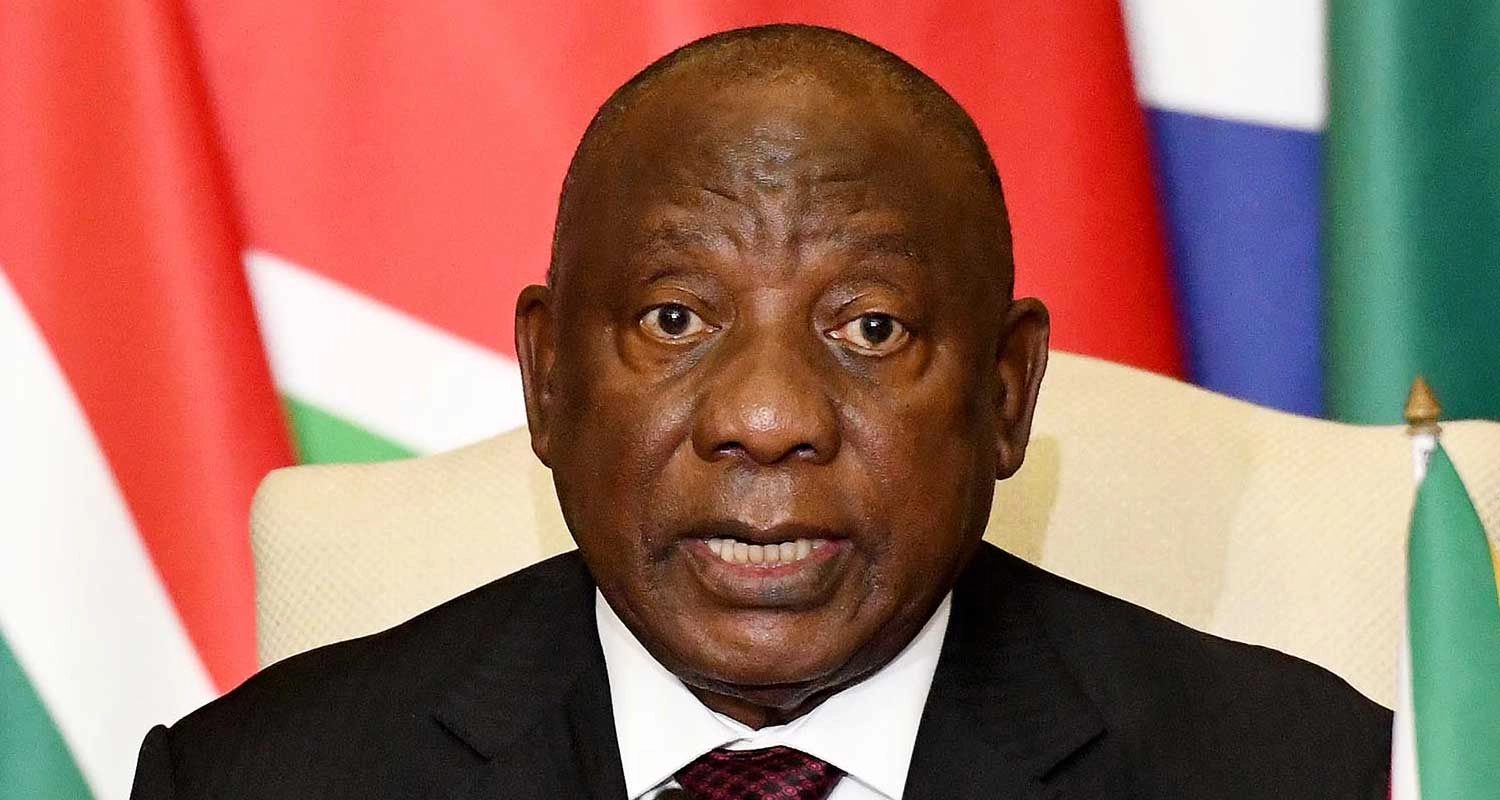
While DIRCO is leading the operational consular guidance, President Cyril Ramaphosa has also commented publicly on South Africa’s response to the conflict and the situation faced by citizens in the region.
In a Reuters report published on 4 March 2026, Ramaphosa said the government was doing everything it could to bring home South Africans stranded in the conflict-affected region. The report also said he reiterated South Africa’s call for dialogue and a peaceful resolution, offering that the country would be willing to play a mediating role if asked.
This reinforces that the evacuation guidance is part of a broader government focus: supporting citizens on the ground through consular channels while pushing for de-escalation through diplomacy.
What happens next
DIRCO has not announced a blanket evacuation timetable or a single government-coordinated departure plan for all citizens. The current approach is centred on enabling citizens to leave through available commercial routes, supported by consular coordination, and prepared contingency planning by missions should the situation deteriorate further.
The next developments will likely depend on three factors:
- whether airspace restrictions ease or expand across key transit countries
- whether airlines maintain limited outbound schedules or suspend flights again
- whether security conditions on the ground trigger a shift from advisory support to more formal evacuation measures
For now, DIRCO’s message is direct: South Africans in affected areas for non-essential travel should use official channels, take available opportunities to leave, and avoid non-essential travel into the region.