





What South Africa and Egypt actually agreed
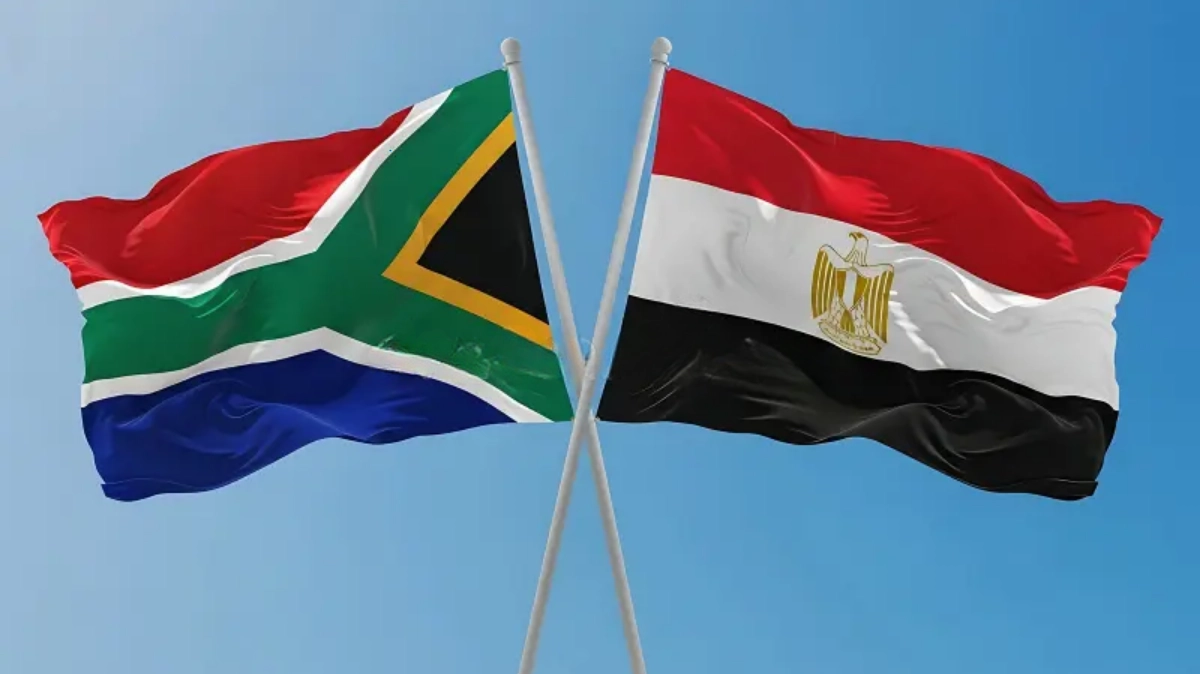
South African beef exports to Egypt moved a step closer last week after the two countries concluded negotiations on the Veterinary Health Certificate governing red meat trade between them. Nothing can ship yet. Minister of Agriculture Willie Aucamp said shipments would be cleared only once the final signatures had been formally appended to the agreement.
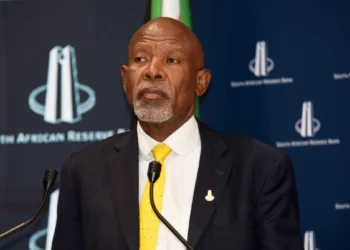
Aucamp announced the outcome at the Agri North West Congress on Thursday, 3 September 2026. “This is a major milestone for South Africa’s agricultural sector,” he said, noting that the sector is working through one of the biggest foot-and-mouth disease outbreaks in decades.
The Department of Agriculture’s statement, issued on 4 September, describes the certificate as giving exporters a clear regulatory framework while meeting animal health and food safety requirements. It does not say what that framework requires.
That detail was published separately, in a notice to industry from the Association of Meat Importers and Exporters of South Africa. According to AMIE, the agreed certificate is now available, and “Egypt has agreed to accept meat derived from animals that are clinically healthy” for the 30 days before and at the time of slaughter. Meat from animals that are unvaccinated and from animals vaccinated against foot-and-mouth disease is accepted, where applicable, as described in the certificate.
Why the vaccination clause is the part that matters
South Africa is in the middle of a national vaccination drive intended to bring foot-and-mouth disease under control and eventually restore the country’s disease-free status. Most of the markets that closed to South African red meat closed precisely because of that disease.
A certificate that accepts meat from vaccinated animals is therefore what makes the Egyptian market usable while the outbreak is still running, rather than something that only becomes available years from now. Neither the ministerial announcement nor the department’s statement mentions it.
| Element of the Egypt agreement | Position as at 7 September 2026 |
|---|---|
| Negotiations on the Veterinary Health Certificate | Concluded |
| Certificate signed by both parties | Not yet. Shipments cleared only once final signatures are appended |
| Health requirement | Animals clinically healthy for the 30 days before slaughter and at slaughter |
| Foot-and-mouth vaccination status | Meat from both vaccinated and unvaccinated animals accepted, as set out in the certificate |
| Volume or value agreed | Not stated in the announcement |
| Date of first shipment | Not stated in the announcement |
The certificate text itself has not been published for public inspection, so the conditions attached to vaccinated animals, and the zones or establishments they may come from, are not on the public record.
Where South African beef exports stand right now
The scale of what the country has lost puts the announcement in proportion. South Africa exported roughly 28,700 tonnes of beef in 2025, a decline of about 26% on 2024, according to Observatory of Economic Complexity data cited by Freight News.
Wandile Sihlobo, chief economist at the Agricultural Business Chamber of South Africa, has recorded how sharply that reversed an earlier recovery. He put 2024 cumulative beef exports at 38,657 tonnes, up 30% on 2023, split roughly 57% fresh and 43% frozen, with Egypt among the destinations already buying South African beef at that point.
The collapse in 2025 was driven largely by market closures. Reuters reported, citing figures from industry body Red Meat Industry Services, that shipments to China fell 69% to 1,687 tonnes after Beijing imposed its ban in May 2025. China had been South Africa’s third largest external market in 2024, behind the United Arab Emirates and Jordan.
By value, the five leading destinations for South African bovine meat in 2025 were:
- United Arab Emirates, R494 million
- Jordan, R445 million
- Kuwait, R382 million
- Qatar, R208 million
- Mozambique, R144 million
Egypt does not appear on that list. Then Minister of Agriculture John Steenhuisen told Parliament in December 2025, replying to Democratic Alliance MP Wynand Boshoff, that the outbreak had wiped roughly R5.6 billion off export value that year, including R3.7 billion in fresh and frozen beef and R502.4 million in live cattle, sheep and goats.
The Bureau for Food and Agricultural Policy estimates the disease could cost more than R11.3 billion in lost beef production value between 2025 and 2030, with cumulative export losses potentially reaching R2.6 billion by the end of this year.
Domestic consumers have felt the other side of the same squeeze, with Southafriworld reporting earlier this year on beef prices climbing 30% and the effect on fast food chains, and previously on the rising cost of a monthly grocery basket.
What still has to happen before a single carton ships
Egypt is a genuinely large destination on paper. A report by the United Kingdom’s Agriculture and Horticulture Development Board, drawing on the OECD-FAO Agricultural Outlook 2025 to 2034, found that imports account for more than half of the beef consumed in Egypt, alongside Saudi Arabia, Jordan, Israel and Iran. Egyptian beef consumption per capita is forecast to rise 18% over the next decade.
Turning that into rand depends on steps that have not happened. The certificate must be signed by both parties. Exporters and establishments must then be approved to use it, and consignments must be certified against the 30-day clinical health requirement.
Aucamp framed the wider point in terms of rural income, saying that “every international market South Africa opens creates an opportunity for money to flow” back into rural economies and value chains.
The outbreak that closed those markets is not resolved. Foot-and-mouth disease has been recorded across seven of South Africa’s nine provinces, and the department has said full resolution in KwaZulu-Natal is unlikely because buffalo in affected game reserves carry the virus. Seasonal conditions add a further variable, with Southafriworld having reported on the El Niño outlook for the coming season and what forecasters expect it to mean for farmers.
No signature date, tonnage or value has been announced for the Egypt agreement, and no first shipment has been scheduled.