


What we know so far
The Government of Ghana has advised its citizens to avoid non-essential travel to South Africa following what it described as increasing xenophobic attacks targeting Africans in the country. In a travel advisory issued in Accra on 1 June 2026, the government said it had observed with concern a rise in attacks by groups presenting themselves as anti-immigrant vigilantes. According to the advisory, the incidents have resulted in injuries, the closure and takeover of businesses, looting, and the destruction of property.
The advisory was issued by the Ministry of Foreign Affairs, led by Minister Samuel Okudzeto Ablakwa. It represents a significant escalation in diplomatic pressure on Pretoria from an African peer government, coming as multiple countries voice formal concern about the safety of their nationals in South Africa.
The travel advisory follows a series of diplomatic measures taken by the government in response to the attacks. Ablakwa earlier summoned South Africa’s Acting High Commissioner to Ghana to formally convey Ghana’s concerns over xenophobic incidents involving Ghanaians.
Why it matters
Ghana’s travel warning is one of the most direct and consequential diplomatic responses yet to the wave of anti-immigrant violence that has shaken South Africa since late April 2026. Since late April, protests against illegal migration, some of which turned violent, have taken place in cities including Johannesburg, Pretoria, and Durban, with protesters accusing foreign nationals of taking jobs and business opportunities.
The rising tide of xenophobia is embarrassing South Africa as African countries formally complain about the treatment of their citizens. Nigeria’s foreign minister called her South African counterpart Ronald Lamola to discuss accusations of xenophobic violence against Nigerians in South Africa, including the death of two nationals. Mozambique was also expected to raise concerns with Pretoria.
Ghana’s warning follows an advisory issued by the United States, which separately warned Americans to avoid the popular Menlyn Park Shopping Centre. The convergence of warnings from both African and Western governments sharpens the reputational and diplomatic cost to South Africa as it campaigns for continental solidarity ahead of November’s local government elections.
Key details and figures
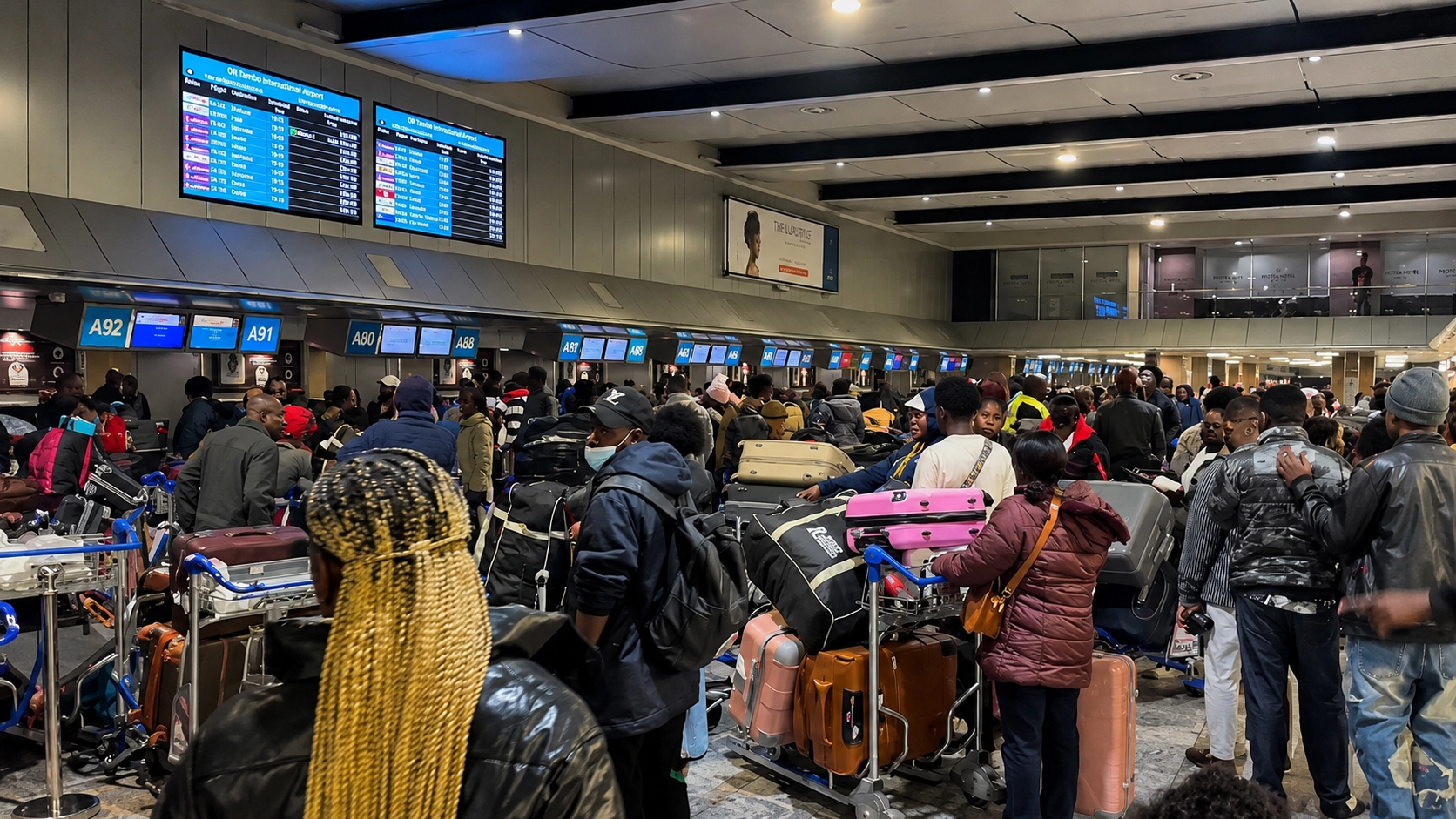
On 12 May 2026, President John Dramani Mahama approved the immediate evacuation of Ghanaians who had registered with the Ghana High Commission in Pretoria. The first batch of 300 evacuees arrived at the Kotoka International Airport on 27 May aboard a government-chartered Ethiopian Airlines flight.
Minister Ablakwa announced that President Mahama had granted approval for the evacuation to ensure the safety of affected Ghanaian citizens. A second group of approximately 600 nationals who indicated willingness to return home was being processed at the time the advisory was issued.
Ghana’s Ministry of Foreign Affairs has formally petitioned the African Union Commission to address the safety of migrant populations. Accra has successfully requested that the issue be placed on the official agenda for the Eighth AU Mid-Year Coordination Meeting, scheduled for 24 to 27 June in Cairo, Egypt.
South Africa’s Department of International Relations and Cooperation confirmed it had noted Ghana’s request for a debate at the AU summit on what Accra called “Xenophobic Attacks in the Republic of South Africa against African Nationals.”
DIRCO said the government had “swiftly condemned acts of confrontation and intimidation” following sporadic incidents since late April. Law enforcement agencies had been instructed to ensure the safety of citizens, residents, and visitors, and to hold perpetrators accountable. According to DIRCO, about 3 million migrants currently reside in South Africa, around 90 percent of whom are from other African countries.
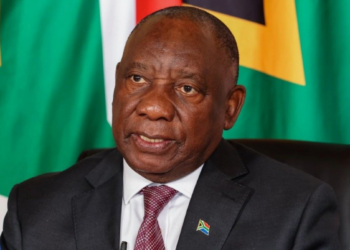
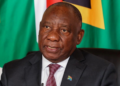
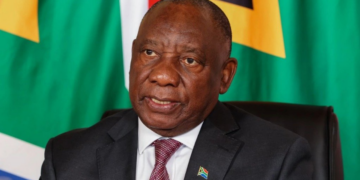
President Cyril Ramaphosa issued an open letter stating that “opportunists” had orchestrated anti-immigrant attacks. “We must make it clear that there is no place in South Africa for xenophobia, ethnic mobilisation, intolerance or violence,” Ramaphosa said.
“The recent violent protests and criminal acts directed at foreign nationals in parts of our country do not represent the views of South Africa’s people nor reflect our government’s policy,” Ramaphosa said. He simultaneously acknowledged that undocumented migration placed strain on healthcare, housing, and municipal services in poor communities.
The Ghana advisory directly quoted its government’s formal language: “The government of the Republic of Ghana has observed with great concern the increasing xenophobic attacks in South Africa targeted at Africans by groups presenting themselves as anti-immigrant vigilantes, which have resulted in degrees of injuries, closure and takeover of businesses, looting and loss of properties.”
The government called on the South African government to provide adequate security for Africans living in the country and to take decisive measures to maintain law and order, urging South Africa to address the situation in the spirit of Pan-Africanism and African integration.
The confrontations have been driven in part by citizen-led movements, including a group known as “March and March” alongside Operation Dudula, which has been active in South Africa since at least 2022. Vigilante factions have publicly issued a strict 30 June deadline demanding that undocumented immigrants vacate the country. The resulting friction has triggered localized clashes and mass displacement, particularly in parts of KwaZulu-Natal, Johannesburg, and Durban, forcing hundreds of displaced African migrants to seek emergency shelter.
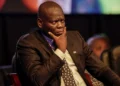
Former President Thabo Mbeki entered the public debate with a direct challenge to the scapegoating of migrants. “We’ve got many problems here. The problem legitimately led to high levels of unemployment; that’s correct. High levels of crime, that’s correct. But the finger is being pointed at the wrong people,” Mbeki said. “The levels of high unemployment in this country are not due to undocumented Africans.”
What happens next
South Africa’s Ministry of International Relations and Cooperation expressed regret over Ghana’s decision to refer the matter to the African Union. It nonetheless stated that President Ramaphosa had condemned xenophobia and directed law enforcement agencies to protect all residents.
DIRCO Minister Ronald Lamola has engaged counterparts from several African countries, including Ghana and Nigeria, to brief them on developments and reaffirm South Africa’s commitment to protecting the rights of all people living in the country.
The AU debate is scheduled to take place at the Eighth Mid-Year Coordination Meeting in Cairo from 24 to 27 June 2026, where Ghana’s petition will be considered by African leaders as a formal continental matter. The outcome of that session could further define the diplomatic consequences South Africa faces over this crisis.
Ghanaian citizens currently residing in South Africa were advised to maintain regular contact with the Ghana High Commission for consular assistance and updates on the situation. The travel advisory remains in effect until further notice.
South Africa faces a difficult reckoning: containing domestic anti-immigrant pressure in the months before November elections while managing the reputational and continental damage caused by the violence. With Ramaphosa having condemned the attacks but also acknowledged public frustrations about undocumented migration, the government’s messaging has drawn criticism for sending mixed signals to both South Africans and African neighbours.