




President Cyril Ramaphosa has confirmed government’s move to strengthen the state’s role in infrastructure delivery through a new water-focused state-owned company, while separate plans are advancing to create a dedicated state property company to better manage and monetise government’s vast property portfolio.
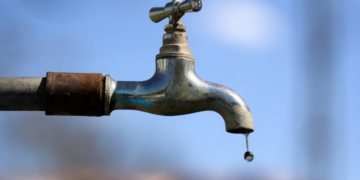
The announcements and related briefings come as South Africa faces mounting pressure to stabilise water services, reduce infrastructure backlogs, and improve governance in municipalities where taps have run dry for extended periods in parts of the country.
A new water SOE is moving from policy to implementation
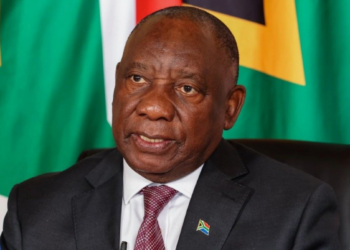
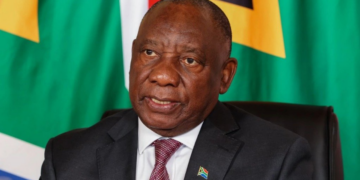
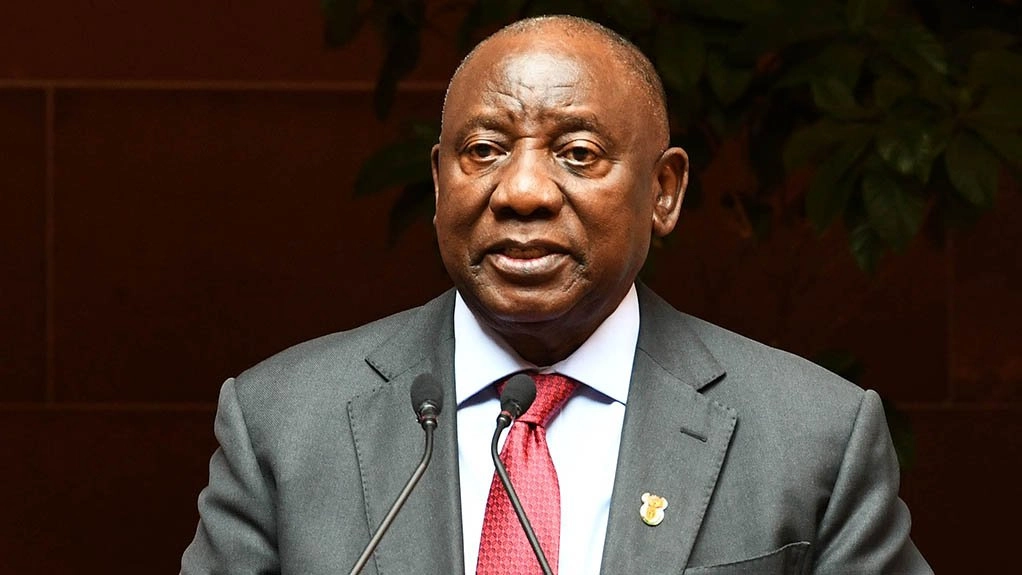
In his 2026 State of the Nation Address (SONA), Ramaphosa said government is in the “final stages” of establishing a national water infrastructure agency and positioned water security as an urgent national priority, warning that failing water systems can become “far worse than load shedding” if not urgently addressed.
The new entity is the South African National Water Resources Infrastructure Agency SOC Limited, created through legislation signed by Ramaphosa in 2024. The state-owned company is designed to develop, operate and maintain national water resources infrastructure, and to mobilise funding for new projects by using innovative financing models that can crowd in private investment.
Government’s stated rationale is that fragmented responsibilities across multiple institutions have weakened planning, delivery and maintenance, and that a single, dedicated vehicle can improve coordination while raising finance on its own balance sheet for large-scale infrastructure projects.
A National Water Crisis Committee will be chaired by the President
Alongside the SOE, Ramaphosa announced a new National Water Crisis Committee that he will chair, modelled on the approach used during the electricity crisis.
In reporting on the speech, the committee was described as a mechanism that will pull together existing workstreams into a single coordinating structure, deploy technical experts and resources into struggling municipalities, and ensure faster interventions where water delivery is collapsing.
Ramaphosa also signalled a harder accountability stance, referencing the use of constitutional and legislative powers to intervene where municipalities fail to meet obligations. Reporting on the address said government has already laid criminal charges against dozens of municipalities for failures linked to water obligations, and that further accountability measures may be pursued against municipal leadership where warranted.
What the new water agency is expected to do
Based on the enabling legislation and government’s previous public statements, the water agency is expected to focus on national water resources infrastructure, including bulk systems, strategic assets, and large projects that underpin supply to water boards and municipalities.
Key functions and objectives include:
- Developing and managing national water resources infrastructure to secure a reliable and equitable water supply
- Improving the operation and maintenance of existing national assets
- Using the asset base and cash flow of national infrastructure to raise funds for new build and refurbishment
- Reducing fragmentation by consolidating functions that have been split across institutions such as the Department of Water and Sanitation and other state entities involved in water infrastructure financing and delivery
While the agency’s establishment is now supported by law, operational readiness, governance appointments, and the pace of project delivery will be closely watched, particularly in municipalities where outages and infrastructure failures are already driving social and economic disruptions.
A separate plan aims to create a state property company for a R155 billion portfolio
In parallel, government is also moving toward the creation of a state property company intended to improve the management of government’s immovable assets and unlock funding for infrastructure.
Reports indicate the proposed entity would sit within reforms led by the Department of Public Works and Infrastructure (DPWI) and would be designed to treat state property as an “asset book” that can be managed more professionally, with better maintenance planning, stronger oversight, and the potential to generate value rather than repeated losses.
South Africa’s state property footprint is extensive, spanning tens of thousands of buildings and large tracts of land, and has long been a source of controversy due to maintenance backlogs, underutilised properties, leasing disputes, and irregular expenditure.
The plan is being linked to the goal of reducing reliance on expensive private leases for government office accommodation, while redirecting money toward refurbishing and optimising state-owned buildings.
Why the state property company matters for service delivery
Although the property company is a separate initiative from the water agency, both reforms reflect the same strategic direction: using state-held assets more effectively to finance infrastructure and improve delivery.
If implemented with strong governance, the property company could affect service delivery in several ways:
- Lowering recurring leasing costs and freeing funds for building maintenance and upgrades
- Accelerating repairs and refurbishment of government buildings used for frontline services such as Home Affairs, SAPS facilities, clinics and courts
- Creating clearer accountability for property management outcomes
- Supporting infrastructure funding by improving the credibility and bankability of state asset management plans
However, analysts and the public will likely scrutinise whether another entity adds complexity, or whether it genuinely improves execution in a system already under strain.
Key figures at a glance
- Water: Government has referenced significant public funding commitments for water and sanitation infrastructure over the next three years, alongside the creation of a crisis committee chaired by the President.
- Water SOE: A new state-owned company has been legislated to develop and manage national water resources infrastructure and mobilise finance for projects.
- Property: Separate reporting puts the state’s property portfolio at around R155 billion, with a proposal for a dedicated state property company to unlock funding and improve management outcomes.
What happens next
For the water SOE, the next milestones are governance appointments, operational setup, and early evidence of faster execution on priority projects, especially in areas where infrastructure failures are driving emergency conditions.
For the state property company, the next steps are expected to include clearer policy detail on structure, oversight, timelines, and how the entity would interact with existing DPWI capacity and any current property management arrangements. Treasury oversight, PFMA compliance, procurement controls and audit requirements will be central to whether the market and the public view the plan as credible.
Both reforms land at a time when the Government of National Unity has placed delivery and stabilisation at the centre of its message, meaning performance, not policy intent, will determine whether these changes build public confidence.