







South Africans planning trips abroad now face a tougher travel bill after airlines began passing higher jet fuel costs into ticket prices. South African Airways has confirmed airfare adjustments from 12 March 2026, while FlySafair has introduced a temporary fuel surcharge on certain bookings.
The development matters beyond one airline. It affects leisure travel, family visits, business trips and connecting journeys, especially for passengers who use domestic flights to reach major international departure points before boarding long-haul services.
What happens next is now largely tied to the fuel market. Airlines say fares and surcharges will be reviewed as conditions change, while South Africa’s fuel authorities have also warned of broader price pressure as the international oil shock feeds into local costs.
What we know so far
South African Airways said it had started receiving immediate Jet A1 fuel hike notifications from suppliers and could no longer absorb the full increase. The airline said exact fare levels by route and cabin class would be published through its booking channels and global distribution systems with effect from 12 March 2026.
That means the cost increase is no longer theoretical. It has moved into live pricing. For travellers shopping for flights after the change took effect, the higher input cost is expected to be reflected in the airfare shown at the point of booking.
SAA also said tickets already purchased and issued before the effective date would be honoured at the fare already paid. That is an important distinction for travellers who booked before the latest jet fuel spike filtered into airline pricing.
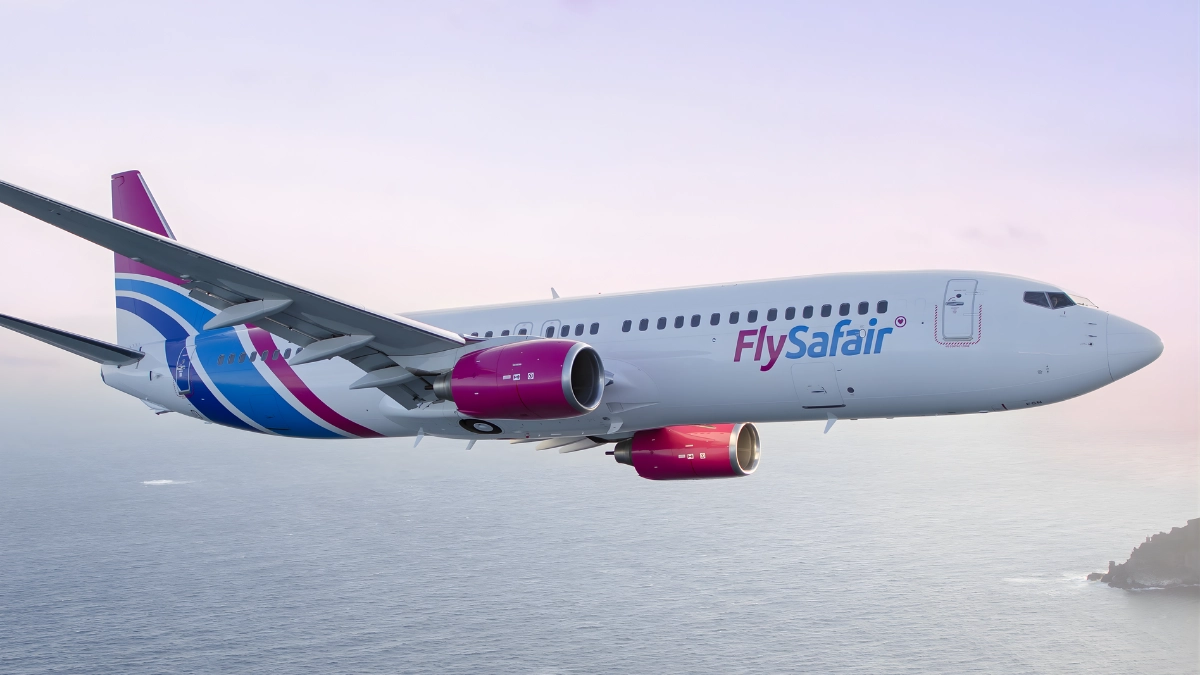
FlySafair has taken a slightly different route by introducing a temporary dynamic fuel surcharge rather than a broad fare adjustment. The airline said the surcharge applies to new bookings made from 12 March 2026 for flights departing on or before 12 May 2026. It also said the surcharge would be displayed as a separate line item, and that existing bookings would not be charged retrospectively.
Although FlySafair is primarily known for domestic and regional travel, the knock-on effect still matters for South Africans heading overseas. Many international trips begin with a domestic leg to a major hub such as Johannesburg or Cape Town, and any increase in those feeder flights can raise the total cost of the journey.
Why it matters
The immediate reason is straightforward. Jet fuel is one of the biggest costs in aviation, and airlines have limited room to absorb sudden spikes for long periods without raising prices.
In South Africa, the effect is sharper because the aviation sector already operates in a relatively expensive cost environment. The International Air Transport Association has said fuel prices in Africa are higher than the global average, adding to the structural pressure on airlines across the continent.
That means South African travellers are being hit from two directions at once. First, local airlines are facing a sudden jump in jet fuel costs. Second, global airlines are also raising fares or adding fuel surcharges as the same international oil and airspace disruption affects their operations.
For overseas travellers, that creates a broader problem than a normal seasonal airfare rise. The extra cost may appear in direct international fares, in regional connections, or in domestic positioning flights used to reach long-haul departures. In some cases, passengers could feel the increase across more than one ticket in the same trip.
There is also a wider economic angle. Higher airfares can weaken travel demand, especially among price-sensitive households. They can also increase costs for companies that rely on regular air travel, from exporters and service firms to tourism businesses moving staff and clients between markets.
Key details and figures
Several verified figures show why airlines moved so quickly:
- SAA said airfare adjustments would take effect from 12 March 2026, with route and cabin pricing published through its booking systems.
- SAA said tickets already bought before that date would be honoured at the fare paid.
- FlySafair said its temporary fuel surcharge applies to new bookings from 12 March 2026 for departures on or before 12 May 2026.
- FlySafair said Jet A1 prices at South African coastal airports had risen by about 70% in one week.
- The airline said fuel typically accounts for 50% to 55% of its direct operating costs.
- FlySafair estimated the current price environment was adding about R35,000 per flight hour for each Boeing 737-800 aircraft in operation.
- Reuters reported that some international carriers had already raised fares, added fuel surcharges or warned of more changes as jet fuel prices surged.
- IATA has said African airlines face fuel prices about 17% higher than the global average.
- IATA also said fuel can account for roughly 40% of African airline operating costs, compared with about 25% globally.
- South Africa’s Department of Mineral and Petroleum Resources has said there is currently no immediate risk of fuel shortages, but warned that higher international crude prices are expected to feed into higher local fuel prices from April 2026.
These figures help explain why airlines are responding now rather than waiting for the market to settle. A short period of extreme fuel inflation can reshape route economics quickly, especially on price-sensitive networks where margins are already tight.
Timeline
Late February
The latest Middle East crisis intensified on 28 February 2026, increasing pressure on oil markets and raising concern about supply disruptions and shipping risk.
10 March
The Department of Mineral and Petroleum Resources said there was no immediate risk of fuel shortages in South Africa, but warned that higher international crude prices were likely to result in higher fuel prices from April.
11 March
SAA confirmed it would need to adjust airfares. FlySafair also announced a temporary fuel surcharge, saying it was the first such measure in its history.
12 March
New fare changes and surcharges began filtering into booking systems for affected travel.
Up to 12 May
FlySafair said its surcharge is intended to remain temporary and currently applies to departures on or before 12 May 2026, subject to review.
What happens next
The next phase depends on how long the current fuel shock lasts. If oil and jet fuel prices ease, the pressure on airfares could soften relatively quickly. If the disruption continues, passengers may see elevated ticket prices persist into the next booking cycle.
For SAA customers, the immediate issue is route-specific pricing. Travellers will need to compare updated fares by destination and cabin class as the airline’s new pricing filters through booking channels.
For FlySafair customers, the main issue is the temporary surcharge window. Travellers booking for departures before or on 12 May should expect that surcharge to appear separately on affected fares, while those travelling later may face a different pricing picture depending on market conditions.
The broader market may also shift. Reuters has reported that carriers in other regions are already raising prices, adjusting schedules and reacting to tighter airspace and higher fuel bills. That increases the likelihood that South Africans booking overseas journeys will encounter higher prices not only on local carriers, but also on foreign airlines serving long-haul routes.
For households and businesses, the practical result is simple. International travel has become more exposed to energy market shocks, and the latest increase has arrived at a time when many consumers are already under pressure from broader fuel and inflation risks.
If the market stabilises, airlines may scale back the extra charges. If not, the cost of flying from South Africa, whether for a domestic connection, a regional trip or a long-haul journey, is likely to remain under pressure in the near term.
Verified research basis: SAA confirmed airfare adjustments from 12 March 2026; FlySafair said its temporary surcharge applies to new bookings for departures on or before 12 May 2026; DMPR said there is no immediate fuel shortage risk but warned of higher prices from April; Reuters reported airlines globally were raising fares amid the jet fuel shock; and IATA said African airlines face fuel costs above the global average.