






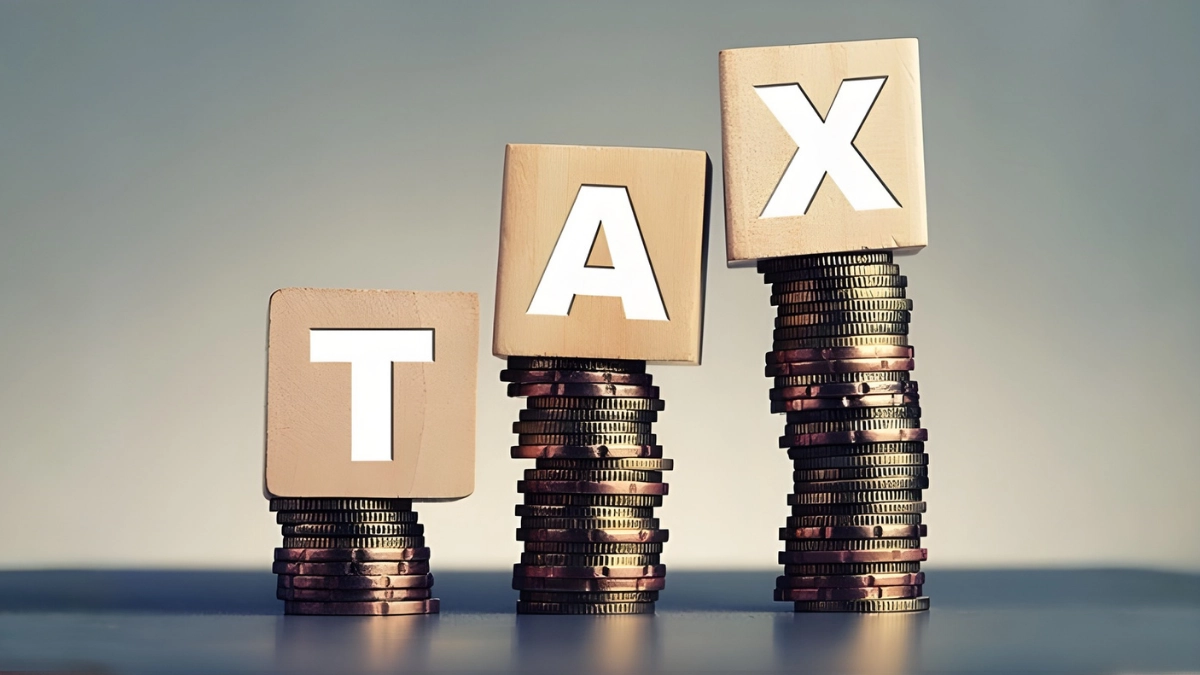
South Africans now have a bigger annual tax-free investment allowance after the 2026 Budget raised the limit from R36,000 to R46,000 a year. The change took effect from 1 March 2026 and is meant to encourage more household saving, but the warning is that the higher cap does not remove the strict rules attached to these products.
The most important point for savers is that the new R46,000 figure applies to annual contributions into approved tax-free investment products, not to general income, not to all savings, and not to the separate tax thresholds that determine when personal income tax becomes payable. SARS also says the lifetime contribution cap remains R500,000, unused annual room is lost if it is not used, and excess contributions can trigger a 40% tax penalty.
That matters because the rule change creates more room to save, but it also increases the chance that some consumers may overcontribute across multiple providers, reinvest withdrawn funds incorrectly, or confuse the new cap with other tax exemptions. What happens next will depend on how banks, platforms and advisers explain the change, and whether savers adjust their contributions without breaching the limits.
What we know so far
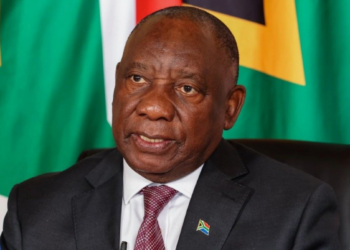
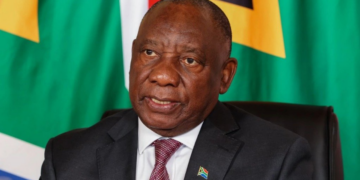
Finance Minister Enoch Godongwana announced in the 2026 Budget Speech that the tax-free annual investment limit would increase from R36,000 to R46,000 per year. National Treasury repeated that change in its 2026 People’s Guide to the Budget, which listed the higher annual contribution limit among the main tax adjustments taking effect from 1 March 2026.
SARS has since updated its official tax-free investments page to reflect the change. The revenue service says individuals are now limited to an annual contribution of R46,000, effective from 1 March 2026, while the lifetime limit remains R500,000 per person. It also states clearly that amounts earned in these accounts are exempt from income tax, dividends tax and capital gains tax.
That is the positive side of the change. The higher cap gives savers more room to build wealth in tax-efficient products such as tax-free savings accounts and approved investment vehicles. However, the fine print remains as important as the headline figure.
Why it matters
South Africa has a long-standing household savings problem, and Treasury has openly linked the higher annual cap to the need to improve long-term saving and investment. In the Budget Speech, the minister said the country’s savings and investment rate remains too low to support generational wealth creation and local investment in the economy.
For households that can afford to use the extra allowance, the benefit is straightforward. A larger annual contribution cap means more money can grow without tax on interest, dividends or capital gains, which can materially improve long-term returns over time.
The warning, however, is that tax-free investing is governed by contribution limits rather than account balances. A saver can be fully compliant even if the account grows far beyond the annual cap through investment returns, but can still be penalised for putting in too much fresh money during a tax year or over a lifetime. That distinction is easy to miss, especially when savers hold more than one tax-free product with different institutions.
There is also a public education issue. Some readers may confuse this new R46,000 cap with South Africa’s personal income tax threshold or with the separate tax-free interest exemption on ordinary savings. Those are different measures. National Treasury’s 2026 People’s Guide says the income tax threshold for people under 65 is R99,000 for the 2026/27 tax year, while the 2026 tax guide says the annual interest exemption remains R23,800 for those under 65 and R34,500 for people aged 65 and older.
Key details and figures
What the new limit actually means
The verified figures behind the change are now clear:
- The annual tax-free investment contribution limit increased from R36,000 to R46,000.
- The higher limit took effect from 1 March 2026.
- The lifetime contribution limit remains R500,000 per person.
- SARS says excess contributions above the annual or lifetime limits are subject to a 40% tax penalty.
- Unused annual allowance is forfeited and does not carry forward to the next tax year.
- A calculation based on the official limits shows that someone contributing the full R46,000 each year from scratch would reach the R500,000 lifetime cap in just under 11 years.
What can still go wrong
The warning around the new limit is not that the increase is bad policy. It is that savers can still make expensive mistakes.
SARS says the annual limit is aggregated across all approved tax-free investments. That means a person cannot contribute R46,000 with one provider and another R46,000 with a second provider in the same tax year. The combined total still cannot exceed the annual cap.
Investment firms are also cautioning clients about withdrawals and top-ups. Ninety One says reinvesting money that was withdrawn from a TFSA counts as a new contribution, which means it can push a saver over the annual limit. Standard Bank similarly warns that withdrawals affect the lifetime limit and that moving money by withdrawing and reinvesting, rather than using a valid transfer process, can create compliance problems.
Another important detail is that growth inside the account does not count as a new contribution. SARS says returns that are capitalised within the account, such as interest or other gains, do not affect the annual or lifetime cap. The problem only arises when fresh contributions breach the thresholds.
What happens next
The next stage will likely be practical rather than legislative. Banks, investment platforms and advisers are expected to update debit orders, contribution tools and customer messaging to reflect the higher annual cap. A full-year contribution at the new level works out to about R3,833.33 a month, based on a simple division of the annual amount over 12 months.
For savers, the immediate task is to understand what the new limit does and does not mean. It creates more room for tax-free investing, but it does not wipe away the lifetime ceiling, does not restore contribution room when money is withdrawn, and does not apply separately at each provider.
In practical terms, the safest approach is for savers to track their total annual contributions across all tax-free products, avoid unnecessary withdrawals, and make sure any transfer between providers follows the recognised transfer process rather than a withdrawal-and-redeposit approach. That is especially important now that the headline figure has changed and some households may treat the R46,000 cap as a broad tax-free allowance rather than a tightly defined contribution rule.
The bigger annual limit is a genuine tax incentive and a meaningful Budget change. But the warning from the official rules and from investment providers is that the benefit only works properly if South Africans use it carefully.