




What we know so far
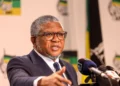
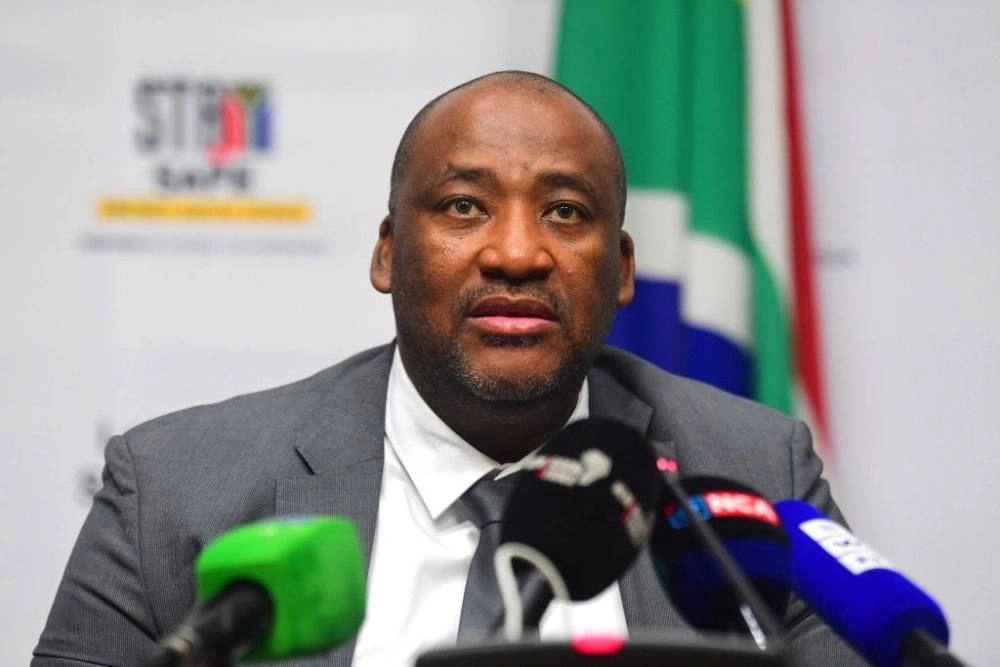
Sport, Arts and Culture Minister Gayton McKenzie used his keynote address at South Africa’s official Africa Day celebration on Monday to reject what he described as untrue narratives about the country, hours after African ambassadors boycotted the same event over safety concerns.
Speaking at the 12th edition of South Africa’s Africa Day at Moruleng Stadium in North West Province on 25 May 2026, McKenzie said the narratives being perpetuated about South Africa “are not true,” according to broadcaster eNCA’s report from the venue. He addressed the audience against the backdrop of weeks of anti-immigration marches and intimidation of foreign nationals across several provinces.
The boycott was led by André Nzapayeke, Central African Republic ambassador and dean of the African diplomatic corps in South Africa. Nzapayeke told the Sunday Times the collective decision to skip the official celebration was taken on safety grounds because security for thousands of attendees, including non-locals, could not be guaranteed.
The Department of Sport, Arts and Culture hosted the celebration under the theme “Sports and Culture, Catalysts for Climate Action,” marking the 1963 founding of the Organisation of African Unity that later became the African Union.
Why it matters
The diplomatic standoff exposed at Africa Day cuts into South Africa’s standing on the continent. The country has historically positioned itself at the centre of pan-African cooperation, yet found itself hosting an Africa Day event without the formal participation of fellow African states.
McKenzie is a politically charged figure to deliver a continental unity message. As leader of the Patriotic Alliance, he has built much of his public profile on opposition to undocumented migration. Human Rights Watch and South African media have previously documented controversial statements by him on foreign nationals, and a criminal complaint over alleged hate speech was lodged against him in 2024 by the Zimbabwean Exemption Permit Holder Association. McKenzie has repeatedly rejected the xenophobic label and describes his stance as patriotic.
The Africa Day boycott also follows weeks of organised anti-immigration marches across provinces including KwaZulu-Natal, Gauteng and the Eastern Cape, during which foreign nationals have reported being harassed and asked to produce documentation. March organisers say they are responding to the strain undocumented migration places on jobs and public services. Civil society groups say the protests have crossed into intimidation and violence.
The diplomatic fallout is widening. Earlier this month Ghana announced the evacuation of 300 of its citizens from South Africa and asked the African Union to formally debate xenophobia at its mid-year coordination summit in Cairo. The Department of International Relations and Cooperation has called the Ghanaian request regrettable but indicated it would seek to broaden any debate to include push-and-pull migration factors such as governance and the rule of law in source countries.
President Cyril Ramaphosa has separately condemned the attacks and blamed what he called opportunists exploiting the legitimate grievances of poor communities, while acknowledging that undocumented migration places strain on health, housing and municipal services.
Key details and figures
The Africa Day commemoration at Moruleng Stadium was the 12th edition of the national celebration, the Department of Sport, Arts and Culture confirmed in its official event notice. Proceedings began with a parade kick-off at the Moruleng Shopping Complex at 8.30am before moving to the main programme at the stadium.
Nzapayeke confirmed to the Sunday Times that the only formal communication sent to the Department of International Relations and Cooperation was a message informing Minister Ronald Lamola that African ambassadors would not participate this year for security reasons. A separate draft statement circulated among African envoys, though not officially issued by the dean’s office, condemned the recent wave of violence and threats directed at African migrants in South Africa. That draft said no grievance, social or economic, could justify the targeting of innocent people, and called for stricter law enforcement against criminality alongside protection of law-abiding foreign nationals against collective blame, intimidation and violence.
Lamola’s spokesperson, Chrispin Phiri, said the department expected all ambassadors accredited to South Africa to work toward strengthening bilateral relations and to collaborate with government in resolving challenges. Lamola has personally travelled to Ghana and Nigeria in recent weeks to meet his counterparts, and the department has held meetings with African ambassadors on undocumented migration.
McKenzie’s address coincided with ongoing regional diplomacy. The Southern African Development Community foreign ministers’ meeting held in Skukuza this past weekend was expected to discuss migration within the region, according to sources cited by the Sunday Times.
What happens next
The pressure on South Africa’s regional standing is unlikely to ease in the short term. Ghana’s proposal for an African Union debate on xenophobia in South Africa is set to be tabled at the AU’s mid-year coordination summit in Cairo next month. South Africa is expected to lobby for the agenda to be reframed around broader migration drivers rather than focused on its domestic conduct alone.
It remains unclear whether McKenzie’s Africa Day intervention will help repair relations with African diplomats or trigger further responses from other African capitals. The ambassadors’ draft joint statement was not formally circulated, and Nzapayeke has publicly distanced his office from its release, leaving the collective diplomatic position contested.
Domestically, the Department of Home Affairs is still processing public submissions on the Draft Revised White Paper on Citizenship, Immigration and Refugee Protection, with the consultation period extended earlier this year. Cabinet has previously asked law enforcement agencies to ensure perpetrators of xenophobic violence are arrested and prosecuted. Anti-immigration marches and counter-mobilisation by migrant communities and civil society groups are expected to continue in the weeks ahead.
The full text of McKenzie’s Africa Day address had not been published on the Department of Sport, Arts and Culture’s website by publication time.