





What we know so far
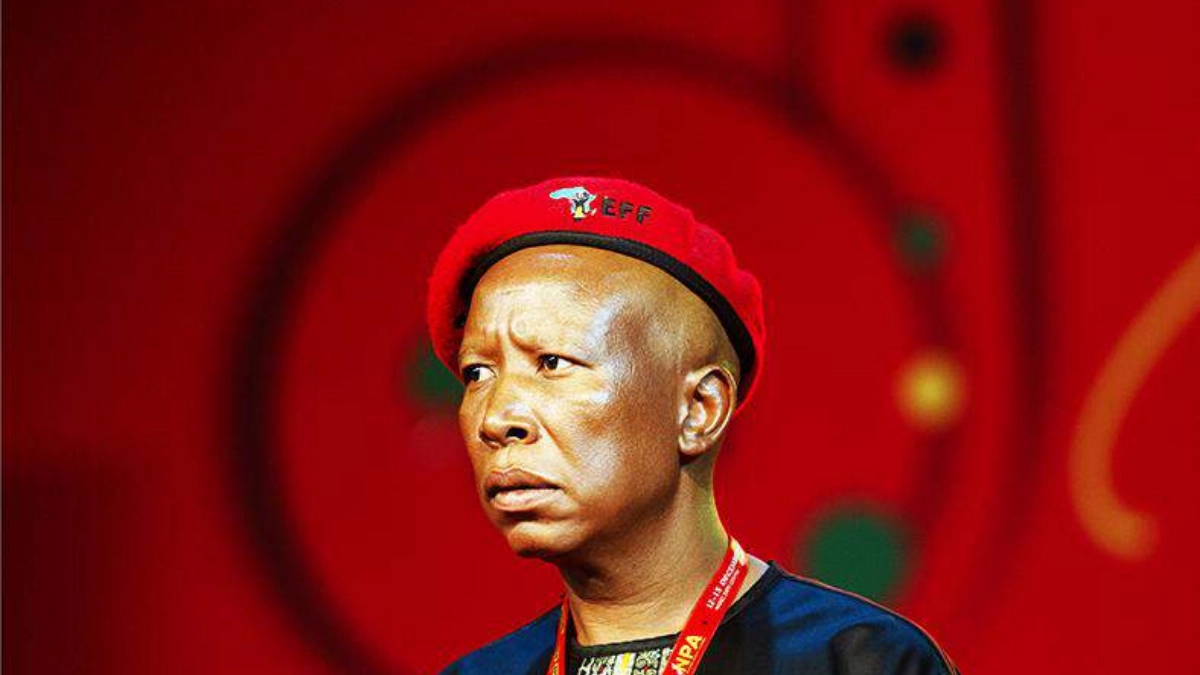
Economic Freedom Fighters leader Julius Malema was sentenced to five years direct imprisonment on Thursday for firing a rifle at a party rally in Mdantsane in 2018.
Magistrate Twanet Olivier handed down the sentence at the East London Regional Court in KuGompo City, bringing to a close a sentencing process that had run over two days. Malema appeared in a packed courtroom to hear the ruling.
The 45-year-old politician was convicted in October 2025 on five charges under the Firearms Control Act. According to the National Prosecuting Authority, the charges are unlawful possession of a firearm, unlawful possession of ammunition, discharge of a firearm in a built-up area, failure to take reasonable precautions to person or property, and reckless endangerment to person or property.
Within minutes of the sentence being read, Malema’s legal team applied for leave to appeal, according to Reuters. The EFF had already publicly stated it intended to contest any adverse ruling up to the Constitutional Court.
Why it matters
The custodial term has immediate implications for Malema’s seat in Parliament. Section 47 of the Constitution disqualifies a person from being a member of the National Assembly if they are sentenced to more than 12 months in prison without the option of a fine.
A disqualification of that kind would also bar Malema from holding public office for five years after completing the sentence. The Constitution, however, treats a person as not having been finally sentenced until any appeal has been determined, which means Malema can retain his parliamentary seat while the appeal process runs.
The EFF entered the seventh Parliament as one of the largest opposition parties, and Malema has been its commander-in-chief since the party was founded in 2013. EFF secretary-general Marshall Dlamini said on Wednesday that the case was affecting the party’s preparations for this year’s local government elections, although he insisted the organisation was ready to continue campaigning.
The case reached trial after civil rights lobby group AfriForum laid a criminal complaint under the Firearms Control Act. The conviction and now sentencing mark a rare prosecution of a sitting member of Parliament on firearm-related charges arising from a public political event.
Key details and figures
The charges stem from an incident on 28 July 2018 at the Sisa Dukashe Stadium in Mdantsane during the EFF’s fifth anniversary celebrations. Widely circulated video footage showed Malema firing what ballistic evidence at trial confirmed was a live rifle into the air, in front of a crowd the prosecution estimated at more than 20,000 supporters.
According to the NPA, the state called 19 witnesses during the main trial to prove its case. The NPA said an application by the defence for a discharge in terms of Section 174 of the Criminal Procedure Act had been dismissed earlier in proceedings. Co-accused Adrian Snyman, a security company director linked to the rifle, was acquitted.
State prosecutor Advocate Joel Cesar had pushed for a 15-year custodial term, which he described as the prescribed maximum available on the combined counts. Cesar told the court that Malema’s conduct was premeditated and posed extreme danger to the crowd and the densely populated Mdantsane community surrounding the stadium.
Malema’s defence team, led by Advocate Laurance Hodes SC and Advocate Tembeka Ngcukaitobi, argued for a non-custodial outcome. They relied on a pre-sentencing report by social worker Jessie Thompson, which recommended a fine, restrictions on firearm ownership and a monetary contribution to Gun Free South Africa.
In her ruling, Olivier rejected the defence’s characterisation of the shot as a celebratory gesture. She described that argument as nonsensical and said the evidence showed the discharge had been planned in advance as the centrepiece of the evening’s rally.
Olivier also set out the mitigating factors she had considered. These included that Malema was a first-time offender with no outstanding charges, weighed against what she called the seriousness of the offence and the need for the sentence to be blended with a measure of mercy according to the facts.
What happens next
The five-year term is not expected to take immediate effect. Malema’s lawyers filed a notice for leave to appeal in the magistrate’s court soon after sentence was pronounced, a step that typically suspends execution of the sentence pending further determination.
If leave is granted, the matter will proceed to the Eastern Cape Division of the High Court. The EFF has indicated it is prepared to take the case to the Supreme Court of Appeal and, if necessary, the Constitutional Court, a process that legal analysts say could extend over months or years.
Malema’s seat in the National Assembly, his membership of the Ethics Committee and his position on the Judicial Service Commission remain intact while the appeal is pending. A final outcome that upholds a prison term longer than 12 months without the option of a fine would trigger a replacement process under the EFF’s proportional representation list in Parliament.
AfriForum, which initiated the charges, said before the ruling that it expected an effective sentence to be imposed. The organisation has not publicly indicated whether it will oppose any leave to appeal.
Addressing supporters outside the court on Wednesday, Malema said he intended to challenge any guilty verdict and sentence all the way to the Constitutional Court, and that the EFF’s work would continue with or without him. The state has not yet indicated whether it will seek to apply any part of the sentence immediately pending the appeal.