

What we know so far
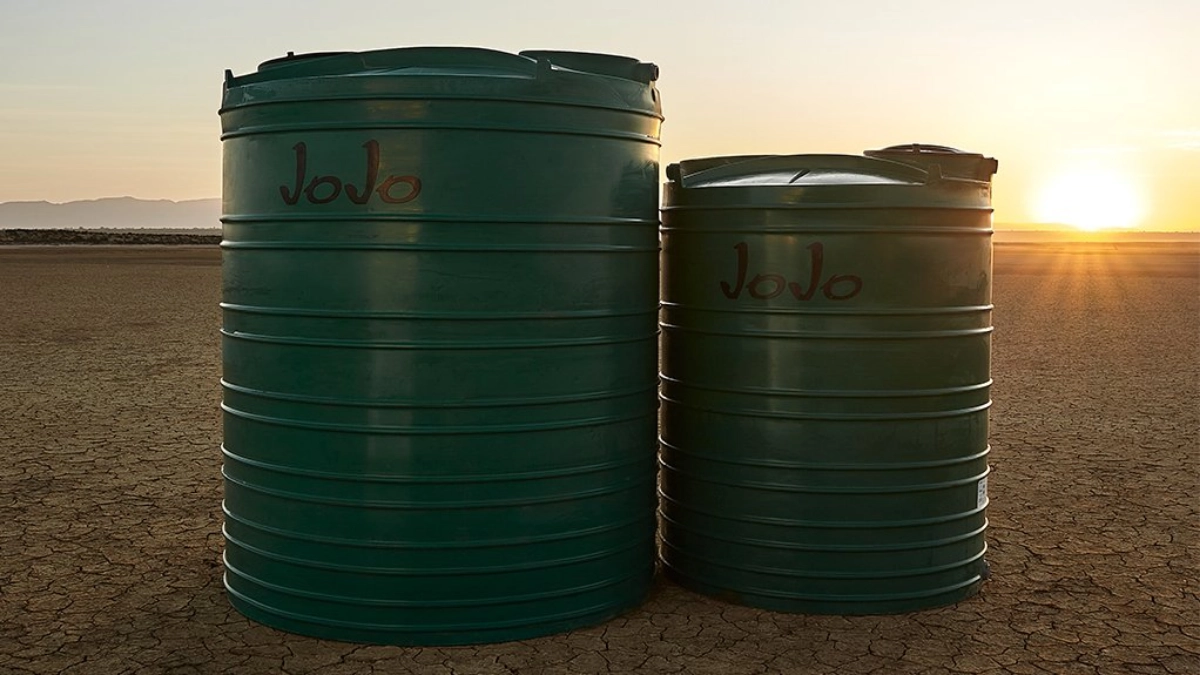
JoJo Tanks, South Africa’s largest manufacturer of polyethylene water storage tanks, has declared force majeure and imposed a 31% price increase on its products effective 1 April 2026. The company issued revised pricing to customers at the end of March, warning that while it would try to honour existing promotional deals in April, volumes would be carefully managed.
The Midrand-headquartered company attributed the declaration to cascading cost pressures triggered by the ongoing conflict in the Middle East. JoJo stated that continued conflict in the Middle East had disrupted global petrochemical supply chains, reducing availability and increasing the cost of key raw materials used in its manufacturing process. Those materials include polymer, paraffin and diesel, all of which are closely tied to crude oil prices, ethylene supply and international logistics, according to the company.
The force majeure declaration, a contractual mechanism that relieves parties of obligations when events beyond their control make performance impossible or impractical, gained widespread use during the COVID-19 pandemic. JoJo’s invocation of the clause signals the severity of cost pressures now facing South Africa’s plastics manufacturing sector.
Why it matters
JoJo is not a niche supplier. The company has more than two million tanks installed across South Africa’s landscape , and has been a household name since the country’s severe drought period in 2012. The company started as a small operation in the 1970s but gained national recognition amid a severe drought, and has since become a multi-million rand brand as South Africa’s water crisis deepened and more consumers moved toward independent water solutions.
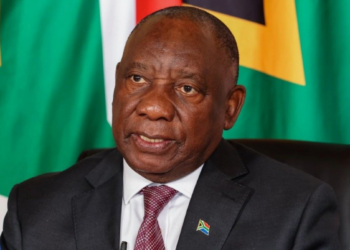
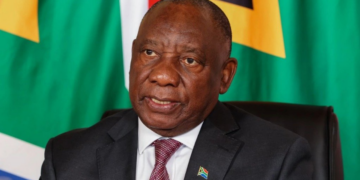
The price increase lands at a particularly painful moment. South Africa’s government formally established a National Water Crisis Committee in February 2026. In his 2026 State of the Nation Address, President Cyril Ramaphosa described water as the single most important issue for many South Africans. A national assessment by the Department of Water and Sanitation found that 47% of municipal water systems are now in a critical state, up from 39% three years ago.
The deterioration in municipal infrastructure has driven millions of households to seek alternative water storage, making JoJo tanks a de facto lifeline for communities experiencing unreliable or non-existent municipal supply. A 31% price increase therefore raises the cost of water independence at precisely the time more South Africans need it most.
JoJo is not alone in raising prices. Other wholesalers and suppliers of water tanks and plumbing-related raw materials have increased prices by 12% to 30% in response to higher costs associated with the conflict in the Middle East. Plumbing group PlumbGo reported that many of its suppliers had flagged increases in raw material costs, with some taking immediate effect and others scheduled for later in April. PlumbGo warned that further increases could follow, even before the introduction of additional fuel levies.
Key details and figures
The core driver of JoJo’s cost pressure is LLDPE (linear low-density polyethylene), the food-grade polymer used to manufacture its tanks. JoJo said the price of LLDPE increased by 50% from 1 April 2026, placing severe pressure on the group’s production costs.
LLDPE is derived from petrochemical feedstocks and is directly exposed to movements in global crude oil and ethylene markets. When conflict disrupts shipping through chokepoints such as the Strait of Hormuz, both the raw material cost and the logistics cost of moving it to South Africa increase simultaneously.
The fuel price environment compounds the problem. According to the Department of Mineral and Petroleum Resources, the average Brent Crude oil price increased from 69.08 USD to 93.67 USD during the review period, driven by continued tension between the US and Iran affecting crude oil supply through the Strait of Hormuz.
From 1 April, South Africa’s official fuel prices rose sharply. Diesel with 0.005% sulphur increased by R7.51 per litre, while petrol 93 and 95 grades each increased by R3.06 per litre. The government introduced a temporary R3 per litre reduction in the general fuel levy to cushion the blow, reducing the levy on petrol from R4.10 to R1.10 per litre and on diesel from R3.93 to R0.93 per litre for one month, from 1 April to 5 May 2026.
Even with that relief, inland diesel now costs R26.11 per litre at wholesale level in Gauteng. For a company like JoJo, which manufactures in Midrand and distributes nationally by road, the diesel spike feeds directly into both production and delivery costs.
The rand’s depreciation added further pressure. The currency weakened from an average of R16.00 to R16.64 per US dollar during the review period dmre, increasing the landed cost of imported raw materials and finished products priced in dollars.
To put the consumer impact in perspective, JoJo’s standard 5,250-litre vertical water tank was listed by retailers in recent months in the range of R6,000 to R6,200. A 31% increase would push the price above R8,000 for a single tank, before delivery, installation and pump costs. A complete household water backup system, previously estimated at R25,000 to R35,000 by industry suppliers, could now approach R40,000 or more depending on configuration.
What happens next
Several unresolved factors will determine whether the 31% increase is a ceiling or a floor.
The government’s temporary R3 per litre fuel levy reduction expires on 5 May 2026. Although the latest data from the Central Energy Fund shows a significant under-recovery for the month, post-ceasefire data implies that diesel increases in May could be reduced if current trends of lower oil prices persist. IOL A fragile ceasefire in the Middle East is holding but has not yet produced a durable agreement.
If the ceasefire collapses and oil prices resume their climb, JoJo and the wider plastics manufacturing sector could face further input cost increases. PlumbGo warned that further price increases could be on the way, even before the introduction of additional fuel levies.
For South African households, the timing creates a difficult equation. The national water infrastructure crisis is not improving quickly. The Department of Water and Sanitation estimates a R400 billion maintenance backlog across the country’s worst-performing municipalities. The government’s 2026 budget allocated R185.2 billion to water and sanitation over three years, but much of that is directed at institutional reform rather than immediate household relief.
Water tank demand is expected to remain strong through 2026, particularly in Gauteng, where recurring supply disruptions have persisted despite emergency interventions. Whether JoJo or competitors can absorb any easing in polymer costs and pass savings back to consumers remains to be seen.
No public response from the Competition Commission or the Department of Trade, Industry and Competition regarding the industry-wide price increases was available at the time of publication.