










What we know so far
A new generation of weight-loss and diabetes medicines is starting to reshape how South Africans spend, and the country’s fast-food chains are among the businesses exposed.
That is the finding of SpendTrend26, the annual consumer spending report from Discovery Bank and Visa, which flagged prescription weight-management medicine as an emerging force in household budgets.
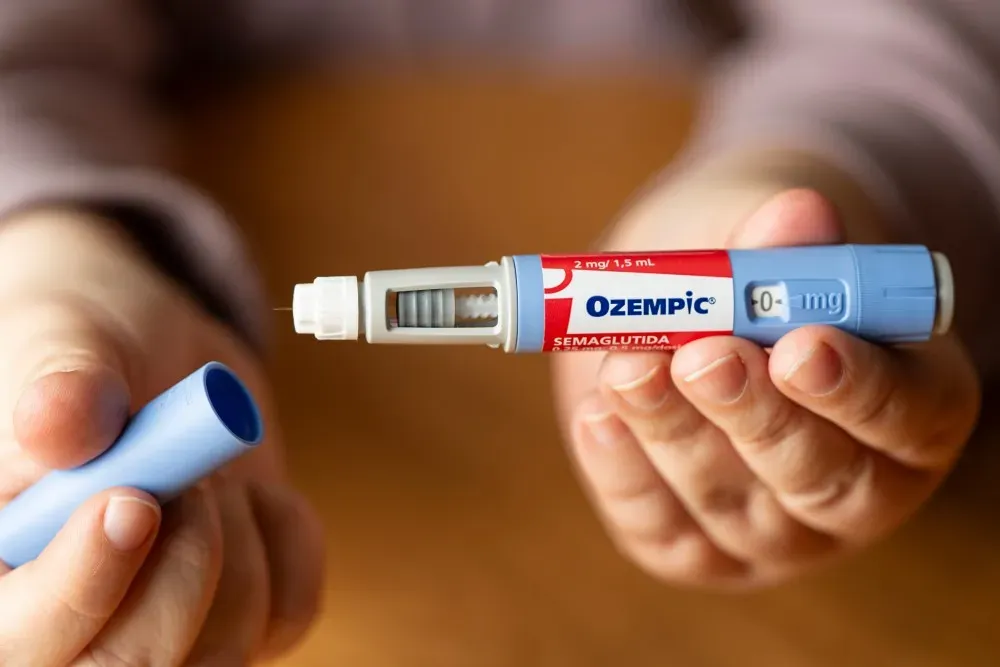
The report found that 14% of surveyed households had at least one person using a prescribed weight-management medication, including GLP-1 therapies such as semaglutides, the class that includes Ozempic.
Among those households, 48% said they were spending less on takeaways and restaurants. A further 59% said they were spending more on healthier foods, 45% reported spending less on alcohol, and 38% said they were spending less on groceries overall.
Discovery Bank chief executive Hylton Kallner described the shift as a meaningful spillover into adjacent categories that, in his words, food retailers, restaurants and alcohol brands should be watching.
The report itself does not name individual chains. McDonald’s and KFC are South Africa’s two largest fast-food brands, and a broad pullback in takeaway spending among higher-income consumers would weigh on outlets of that scale.
The findings were published in the report’s fourth annual edition, released in April 2026, and have gained fresh attention as GLP-1 use continues to grow.
Why it matters
Fast food is a large and competitive category in South Africa, and the segment most affected by these medicines overlaps with the chains’ most valuable customers.
The SpendTrend26 survey covered credit card holders earning more than R100,000 a year. Higher-income households are both the primary users of weight-loss medicines and among the biggest spenders on eating out.
That overlap is the core of the risk. If even a portion of affluent, frequent customers permanently trim their takeaway habit, it chips away at a reliable revenue base.
International experience suggests the effect may be structural rather than temporary. As GLP-1 adoption widens, appetite suppression tends to translate into smaller and less frequent food purchases.
There is also a separate shift in local eating habits that cuts in a different direction. Consumer research firm Eighty20 has found that South Africans are increasingly favouring affordable protein, particularly chicken.
According to Eighty20, that trend has cost ground to burger-focused chains such as McDonald’s, Wimpy and Steers, while chicken-led brands have held up better. The weight-loss drug effect, by contrast, pressures takeaway spending across the board.
Key details and figures
The SpendTrend26 analysis drew on 2.6 billion credit card transactions across 12 million cards between 2021 and 2025, paired with a survey of South African credit card holders earning above R100,000 a year.
Within that survey, 16% of respondents reported spending on dieticians or weight-loss clinics, and 14% reported spending on prescribed weight-loss medicines including GLP-1 therapies.
The spending pullback among medicine users was concentrated in discretionary food and drink. The largest reported cut was the 48% who spent less on takeaways and restaurants, followed by 45% who cut alcohol and 38% who reduced grocery spend.
The international benchmark points the same way. According to Bain & Company, US consumers spend about 5% less on fast food and about 4% less on groceries in the first six months after starting GLP-1 treatment.
Bain estimates that roughly 15% of US adults have tried GLP-1 medicines, with about 7% currently using them, and projects that as many as one in four Americans may have tried them by 2030.
These figures sit below an 8% fast-food reduction cited in some secondary coverage of the trend. The lower Bain estimate is used here as the more directly verifiable measure, with the difference noted.
What happens next
The pressure on fast-food spending is likely to build as access to the medicines expands.
Demand has already driven rapid growth in compounded GLP-1 products, which are mixed to address shortages of registered medicines rather than sold as approved generics.
Charles Green, a healthcare and pharmaceutical specialist at law firm Cliffe Dekker Hofmeyr, has cautioned that compounded GLP-1 products are not assessed or tested by regulators. He noted that, unlike registered medicines, they fall outside the approval process of the South African Health Products Regulatory Authority.
Several questions remain open. It is not yet clear how quickly GLP-1 use will scale across the broader South African population, or whether the reported spending changes will persist over the long term.
It is also unclear how the major chains will respond, whether through menu changes, smaller portion options, or sharper value offers aimed at retaining cost-conscious and health-conscious customers.
Neither McDonald’s nor KFC has publicly linked any change in South African performance to the rise of weight-loss medicines. For now, the trend stands as an emerging headwind rather than a measured hit to sales, with the next SpendTrend report likely to show whether the shift is accelerating.