






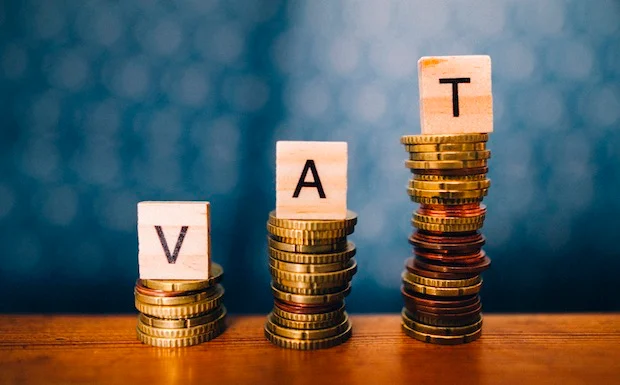
South Africa may be heading toward changes in its value-added tax (VAT) framework as government, economists, and policy institutions reassess how consumption taxes fit into a strained fiscal environment. While no VAT increase or restructuring has been announced, official commentary and policy debate indicate that VAT is once again under active consideration as part of broader revenue discussions.
VAT remains one of the state’s most reliable sources of income, making it a central focus when government evaluates options to stabilise public finances without overburdening income taxpayers.
Background: VAT’s Role in South Africa’s Tax System
VAT is a broad-based consumption tax applied to most goods and services in South Africa. Since it is collected at multiple stages of production and consumption, it provides a stable revenue stream that is less sensitive to economic cycles than income or corporate taxes.
South Africa last increased VAT in 2018, when the rate was raised from 14% to 15%. That increase marked the first VAT rate change in more than two decades and was implemented amid significant public debate over cost-of-living impacts and inequality.
Since then, VAT policy has remained politically sensitive, particularly given South Africa’s high levels of poverty and unemployment.
Verified Policy Context
The National Treasury has repeatedly stated that South Africa’s fiscal position is constrained by weak growth, rising debt-service costs, and limited scope for expenditure cuts.
Treasury documents have highlighted that:
- The tax base is narrow
- Personal and corporate income tax are already under pressure
- Compliance improvements alone may not close revenue gaps
Within this context, VAT is often examined because of its efficiency and revenue-generating capacity, even though it carries distributional consequences.
National Treasury policy statements and budget documentation are published at:
🔗 https://www.treasury.gov.za/
What VAT Changes Are Being Discussed
Importantly, no VAT changes have been announced or approved. However, discussions in policy and economic circles have included several broad areas:
- Zero-rated items: Reviewing which goods qualify for VAT zero-rating, particularly basic food items
- VAT base expansion: Assessing whether certain currently exempt goods or services should fall within the VAT net
- Administrative adjustments: Improving VAT collection efficiency and closing loopholes
- Long-term rate sustainability: Evaluating whether the current 15% rate remains sufficient under future fiscal pressures
These discussions remain exploratory and form part of longer-term fiscal planning rather than imminent policy shifts.
Institutional and Regulatory Oversight
Any VAT changes would be administered by the South African Revenue Service (SARS), which is responsible for VAT collection, compliance, and enforcement.
SARS has focused in recent years on improving compliance, digitisation, and audit capacity to strengthen revenue collection without changing tax rates.
Official SARS guidance and VAT-related information are published at:
🔗 https://www.sars.gov.za/
Impact on Households
VAT is considered a regressive tax because lower-income households spend a larger proportion of income on consumption. As a result, VAT policy changes can directly affect the cost of living, particularly for essentials.
To mitigate this, South Africa applies VAT zero-rating to a basket of basic food items. Any adjustment to this list would require careful policy balancing and political consensus.
Government has previously stated that protecting low-income households is a key consideration in any VAT-related decision-making.
Business and Economic Considerations
For businesses, VAT changes affect pricing, cash flow, compliance costs, and consumer demand. Retailers and service providers are particularly sensitive to VAT adjustments, as price increases can reduce demand in an already constrained economy.
Economists note that while VAT is efficient from a revenue perspective, abrupt or poorly communicated changes can undermine consumer confidence and economic activity.
As a result, Treasury has historically approached VAT changes cautiously and signalled them well in advance through formal budget processes.
Public Debate and Political Sensitivity
VAT remains one of the most politically sensitive tax instruments in South Africa. Civil society groups, labour unions, and opposition parties have consistently opposed VAT increases, arguing that they disproportionately affect the poor.
At the same time, fiscal analysts warn that avoiding VAT discussions altogether limits government’s options and increases pressure on a small group of income taxpayers.
This tension continues to shape how VAT policy is debated and framed.
What Happens Next
Any VAT changes would need to follow a formal process, including:
- Announcement in the national budget
- Parliamentary scrutiny and approval
- Possible public consultation
- Implementation through SARS systems
At present, no draft legislation or implementation timelines exist. VAT discussions remain part of longer-term fiscal planning rather than confirmed policy action.
South Africans are advised to rely on official budget announcements and Treasury statements for accurate information, rather than speculation.