






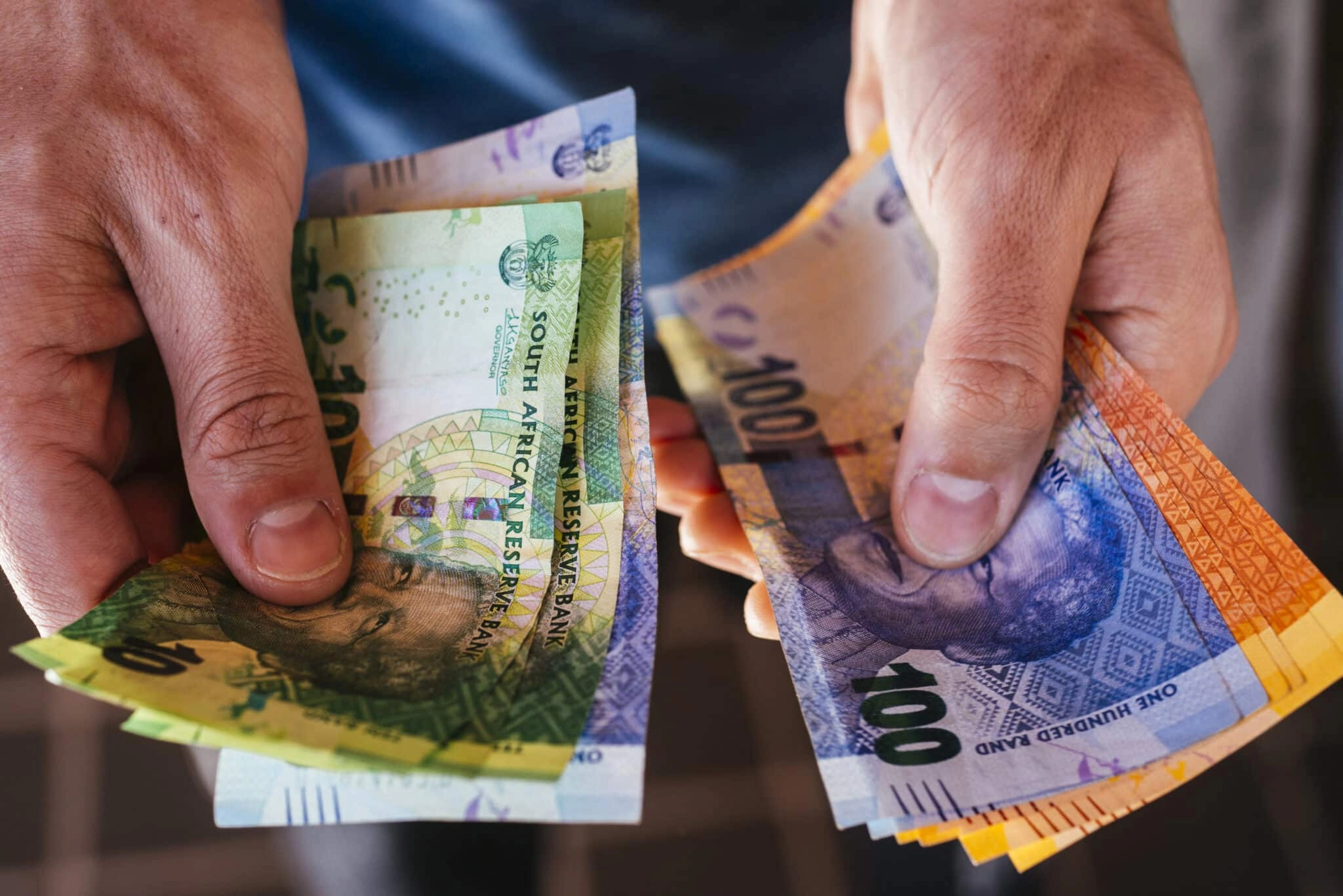
South Africa’s national minimum wage will increase to just over R30 per hour from March, following an official determination by government. The adjustment marks another step in the gradual upward revision of the minimum wage since its introduction and reflects efforts to balance worker income protection with economic realities.
While the increase provides modest relief for low-income earners facing rising living costs, it also renews debate about employment affordability, small business sustainability, and the long-term effectiveness of minimum wage policy in a low-growth economy.
Background: The National Minimum Wage Framework
South Africa introduced a national minimum wage in 2019 as part of broader labour market reforms aimed at reducing income inequality and protecting vulnerable workers. Prior to its introduction, minimum wages varied widely across sectors through bargaining councils and sectoral determinations.
The national minimum wage applies across most sectors, with limited exemptions and transitional arrangements for specific industries such as agriculture, domestic work, and public employment programmes.
Adjustments to the wage are reviewed annually, taking into account inflation, cost-of-living pressures, employment levels, and economic conditions.
Verified Facts: New Wage Rate Confirmed
Government has confirmed that the national minimum wage will rise to R30.23 per hour from March. The increase follows recommendations by the National Minimum Wage Commission, which advises government on adjustments based on economic data and stakeholder input.
The determination has been gazetted and applies to workers covered by the national framework, subject to existing exemptions and sector-specific provisions.
The wage adjustment represents an increase above the previous hourly rate and is intended to preserve the purchasing power of low-income workers amid rising prices for essentials such as food, transport, and electricity.
Institutional and Regulatory Oversight
The national minimum wage is administered under the authority of the Department of Employment and Labour, which is responsible for enforcement and compliance.
The department has stated that employers are legally required to comply with the new rate from its effective date. Labour inspectors are empowered to investigate non-compliance and issue enforcement notices where violations occur.
Official labour policy updates and wage determinations are published via the department’s website:
🔗 https://www.labour.gov.za/
Impact on Workers
For millions of South Africans earning at or near the minimum wage, the increase provides incremental income relief at a time when household budgets remain under pressure.
Stats SA data continues to show that lower-income households spend a disproportionate share of income on essentials, leaving little room to absorb rising costs without wage adjustments.
However, labour analysts note that while the increase improves nominal earnings, it does not fundamentally alter income inequality or guarantee meaningful improvements in living standards, particularly in urban areas with high housing and transport costs.
Employer and Business Concerns
Business organisations, particularly those representing small and medium-sized enterprises, have warned that repeated increases in the minimum wage can strain already fragile operations.
Key concerns raised by employers include:
- Rising labour costs in a low-growth environment
- Limited ability to pass costs on to consumers
- Pressure on employment levels and hiring decisions
- Increased risk of informalisation
Sectors such as retail, hospitality, agriculture, and personal services are seen as particularly exposed, as labour costs form a significant portion of operating expenses.
Government has acknowledged these concerns but maintains that wage adjustments are necessary to protect workers from real income erosion.
Economic Context
South Africa’s broader economic environment remains challenging. Growth has been subdued, unemployment remains high, and productivity gains have been uneven.
Economists note that minimum wage policy operates within this constrained context. While wage floors can improve earnings for those in employment, they do not directly address job creation challenges or structural barriers to growth.
The Statistics South Africa continues to report elevated unemployment levels, underscoring the sensitivity of labour market interventions.
Enforcement and Compliance Risks
A persistent challenge facing the national minimum wage regime is enforcement. Studies and inspections have shown that non-compliance remains a problem, particularly in informal and small-scale operations.
The Department of Employment and Labour has indicated that it will continue conducting inspections and awareness campaigns to improve compliance. However, capacity constraints and the scale of the labour market remain limiting factors.
Worker advocacy groups have called for stronger enforcement mechanisms, while employer bodies argue that support for struggling businesses is equally important.
Public and Policy Debate
The increase has reignited debate about whether the national minimum wage should prioritise inflation protection, poverty reduction, or employment preservation.
Supporters argue that failing to raise the wage would deepen working poverty and increase reliance on social grants. Critics counter that wage increases without productivity growth risk reducing employment opportunities.
Government has positioned the policy as a balancing act, acknowledging trade-offs while emphasising constitutional commitments to dignity and fair labour practices.
What Happens Next
The new minimum wage rate will take effect in March, with employers expected to adjust payroll systems accordingly.
Further reviews will occur as part of the annual wage-setting cycle, with the National Minimum Wage Commission continuing to assess economic conditions and labour market impacts.
No exemptions or delays have been announced beyond existing sectoral arrangements. Any future adjustments will follow formal consultation and regulatory processes.