





What we know so far
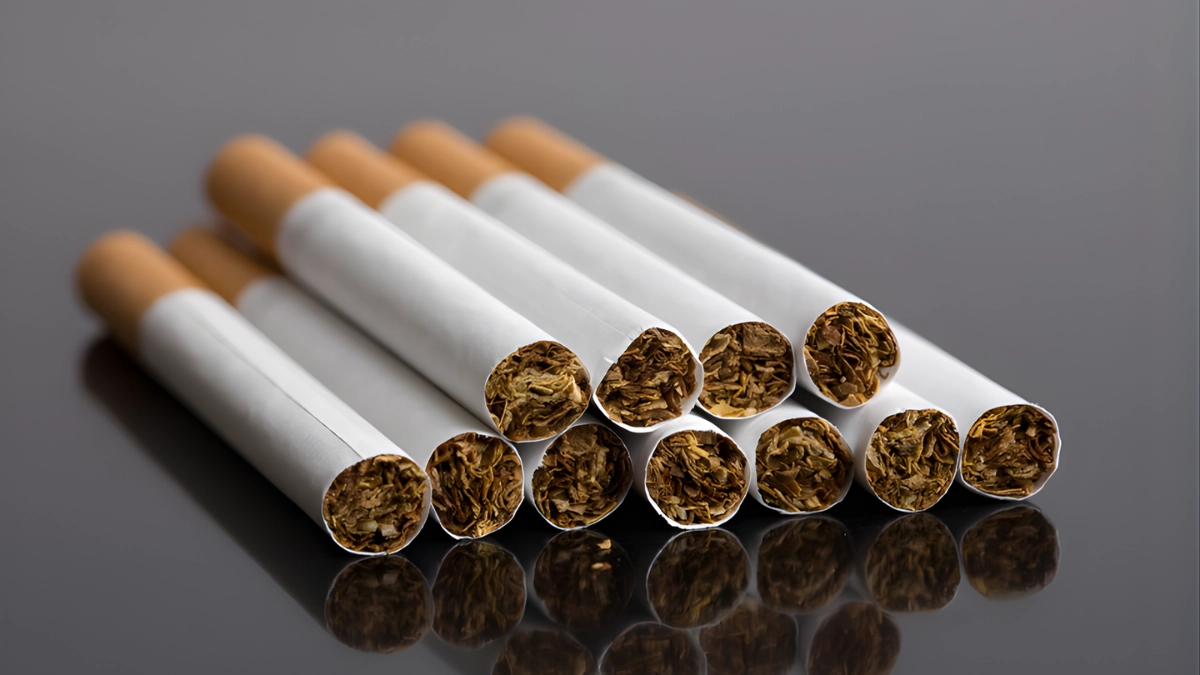
Roughly 60% of cigarettes sold in South Africa in 2021 were illegal, according to a peer-reviewed study by the University of Cape Town’s Research Unit on the Economics of Excisable Products (REEP) published in the international journal Tobacco Control.
The study, titled South Africa’s Illicit Cigarette Crisis: Evidence from the 2021 Global Adult Tobacco Survey, draws on a nationally representative household survey of adults aged 15 and older conducted by the South African Medical Research Council on behalf of the National Department of Health. UCT announced the findings on 16 April 2026, following the paper’s publication in March.
Lead author Mxolisi Zondi, a researcher at REEP, said the data identifies a “substantial structural shift” in the local cigarette market, with local producers now dominating a trade in which untaxed products account for the majority of sales.
The study identifies specific brands and producers linked to illicit sales. The finding confirms that South Africa’s illicit share of the market has remained at roughly 60% since the 2020 Covid-19 cigarette sales ban, with no meaningful reversal since.
Why it matters
The scale of the illicit trade poses a twin threat to public health and to state revenue, both of which depend on a functioning tobacco tax system.
Illicit cigarettes are sold at prices far below the minimum collectable tax, which currently stands at R26.22 for a pack of 20, comprising R22.80 in excise duty and R3.42 in VAT, according to figures confirmed by the South African Revenue Service. When cigarettes are sold for less than that, the taxes intended to fund public services are not reaching the fiscus.
The UCT study also found that illicit cigarette use is highest among low-income earners, people with lower levels of education, and heavy smokers. Cheaper, untaxed cigarettes are disproportionately consumed by more vulnerable groups, undermining the public health purpose of tobacco taxation, which is to use price to discourage smoking.
SARS Commissioner Edward Kieswetter has publicly described the illicit tobacco trade as a key channel for money laundering and has pushed to install CCTV cameras at licensed tobacco manufacturing warehouses, a measure industry players have resisted in court.
Key details and figures
The study, co-authored by Zondi with Kirsten van der Zee and Corné van Walbeek, uses a price-threshold method to identify likely illicit cigarettes and links self-reported brands to producers using publicly available market data.
According to the authors’ findings, British American Tobacco (BAT), which held more than 90% of the South African market at the start of the 2000s, had seen its share fall to roughly 33% by 2021. Non-multinational producers collectively held about 59.1% of the market, and more than 85% of their cigarette volumes were classified as illicit on the basis of price.
Gold Leaf Tobacco Corporation, which rebranded to Polaris Manufacturing in 2025, was identified as the dominant non-multinational producer, with a market share estimated between 21.2% and 37.7%. The study found that 85.1% of the company’s cigarettes were sold at illicit prices, at an average price of R23.26 per pack. Carnilinx was identified as the third-largest producer at 10.7% of the market, with 95.9% of its cigarettes sold below the legal price threshold.
Zondi said the illicit products were distributed primarily through informal retail channels, especially spaza shops. An earlier REEP paper presented at the World Conference on Tobacco Control in 2025 found that 75% of cigarettes sold in spaza shops were illicit, and that more than 90% of illicit cigarettes were produced by local manufacturers.
On the fiscal side, a separate 2024 REEP study by Nicole Vellios and van Walbeek, published in BMJ Open, estimated that the South African government lost R119 billion in excise and VAT revenue to illicit cigarettes between 2002 and 2022, measured in 2022 prices, with the majority of losses occurring after 2010. SARS reported in its 2024 annual report that cigarette excise collections for the 2024 fiscal year came in R800 million below target, a shortfall of 8.4%.
A 2025 Ipsos retail survey, commissioned by BAT South Africa and cited by Tax Justice South Africa, found that cigarettes sold below the minimum collectable tax reached a record 76.6% of sampled retail stores in 2025, up from 27% in 2022. The Eastern Cape, Northern Cape, Western Cape and North West were identified as provinces where more than 80% of sampled stores were selling cigarettes at illicit prices.
What happens next
The UCT researchers recommended urgent government action to secure the national tobacco supply chain, arguing that the study gives authorities specific targets for enforcement by identifying which brands and producers are most heavily implicated.
SARS has been rolling out a monitoring regime that includes CCTV surveillance and mandatory cigarette counters at licensed tobacco manufacturing warehouses, after a group of manufacturers failed in an urgent interdict to block the installations. Finance Minister Enoch Godongwana told Parliament in late 2025 that SARS had referred 129 Customs and Excise cases to the National Prosecuting Authority over five years, with eight cases involving illicit cigarettes currently on the NPA roll.
South Africa has not yet ratified the World Health Organization’s Protocol to Eliminate Illicit Trade in Tobacco Products, which requires signatory states to implement a track-and-trace system and to license all tobacco manufacturers. Researchers have repeatedly argued that ratification and implementation of the Protocol is a critical missing step in closing the gap between legal and illegal sales.
The Tobacco Products and Electronic Delivery Systems Control Bill, which would introduce plain packaging, expanded smoke-free zones and restrictions on vaping, remains before Parliament. It is unclear when the Bill will be tabled for a final National Assembly vote. Whether new legislation or existing enforcement tools will shift the 60% illicit share remains the central unresolved question.