








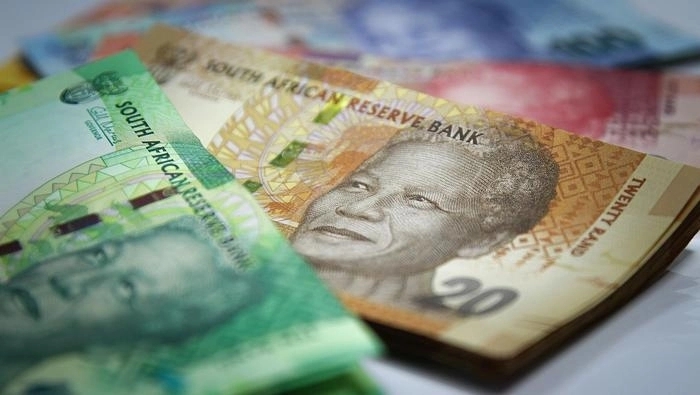
The South African Reserve Bank (SARB) is accelerating efforts to modernise the country’s payments infrastructure, prompting renewed debate over the potential introduction of a central bank–issued digital currency and its impact on consumers, businesses, and the informal economy.
Industry stakeholders say the initiative forms part of SARB’s broader Payments Ecosystem Modernisation (PEM) programme, which aims to upgrade payment systems to support faster, safer, and more inclusive transactions. While no final decision has been announced, policy documents and pilot projects indicate that a digital rand is being actively explored.
What SARB is proposing
The South African Reserve Bank has confirmed that it is developing foundational systems to support next-generation digital payments.
According to SARB’s 2024/25 annual reporting, this includes work on a Digital Financial Identity (DFID) framework designed to verify users securely, reduce fraud, and support digital payment adoption 【SARB†L1-L4】.
SARB has indicated that any digital currency would operate alongside physical cash rather than replace it, forming part of a hybrid payments environment that allows consumers to choose how they transact 【SARB†L5-L7】.
How a digital rand could function
Policy documents suggest that SARB is considering a tokenised payment model, enabling real-time digital transactions without relying on traditional card-based systems.
Fintech partners working within the PEM programme have outlined infrastructure capable of supporting peer-to-peer transfers, business payments, and government disbursements through secure digital wallets 【ITWeb†L1-L4】.
Such systems are designed to reduce transaction costs and improve settlement speed, particularly for small businesses and low-value transactions.
Financial inclusion at the centre of the debate
SARB has positioned financial inclusion as a key objective of its digital payments strategy.
The central bank has stated that digital money could allow individuals without conventional bank accounts to participate in the formal economy, potentially expanding access to financial services in underserved and rural communities 【SARB†L8-L11】.
However, critics argue that inclusion will depend heavily on implementation. Cash remains the dominant payment method in many townships and informal markets, where access to smartphones, data, and point-of-sale infrastructure is limited.
Concerns from industry and civil society
Payments industry experts have cautioned that a rapid shift toward digital money could risk excluding informal traders and low-income consumers if supporting infrastructure is not rolled out evenly.
At recent industry forums, analysts stressed that while digital wallets and app-based payment systems are essential, cash cannot simply be phased out without disrupting livelihoods 【Daily News†L1-L3】.
Privacy advocates have also raised concerns about data visibility. A central bank–issued digital currency could increase oversight of transaction flows, prompting calls for strong safeguards to protect personal financial information.
Why SARB is pushing now
SARB’s modernisation efforts are driven by several strategic considerations.
The central bank has highlighted the need to replace ageing payment infrastructure with interoperable systems that can compete with international real-time payment platforms. Efficiency gains, reduced fraud, and improved transparency are cited as key benefits of the transition 【ITWeb†L5-L8】.
By linking payments to secure digital identity frameworks, SARB believes it can strengthen anti-fraud measures while supporting broader digital transformation across the financial sector.
Risks and implementation challenges
Analysts say the success of any digital currency initiative will depend on careful design and phased implementation.
Key challenges include ensuring reliable electricity and connectivity, developing clear regulatory frameworks, educating consumers, and building trust among users who rely heavily on cash.
Experts emphasise that digital payments must complement, rather than displace, existing systems until adoption is widespread and voluntary.
What it means for South Africa
If implemented effectively, a digital rand could expand access to financial services, reduce transaction costs, and stimulate innovation in the fintech sector.
For small businesses and informal traders, improved payment efficiency could enhance economic participation, provided tools are affordable and accessible.
At the policy level, SARB’s approach to digital currency design is expected to remain under close scrutiny, with ongoing debate among regulators, industry players, and civil society shaping the final outcome.