






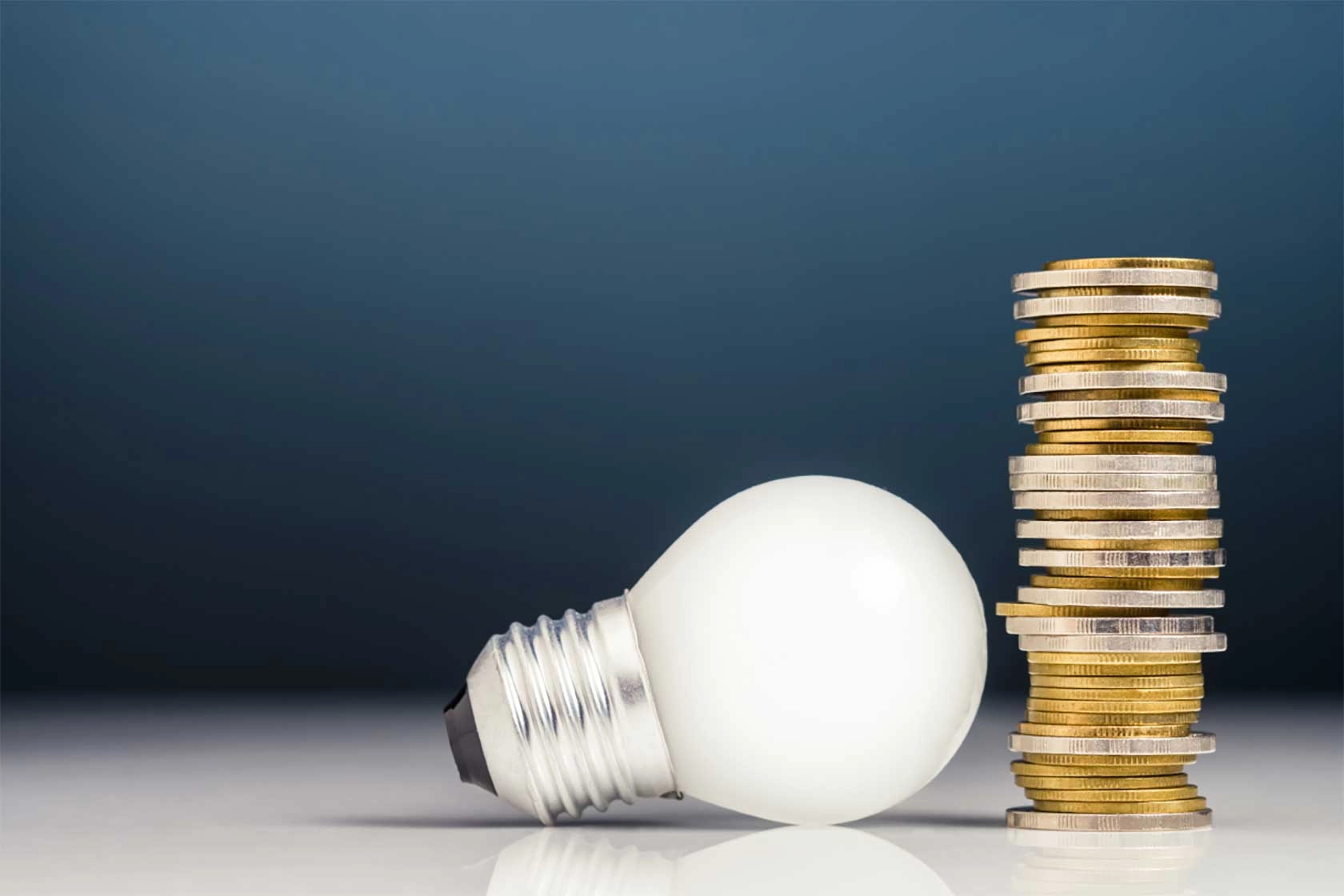
South African electricity consumers will face higher power costs in the 2025/26 financial year after the national energy regulator approved Eskom’s latest tariff adjustments. The increase forms part of a broader effort to stabilise the utility’s finances while restructuring the electricity sector and modernising the national grid.
The decision has implications for households, municipalities, and businesses, with changes to both pricing levels and tariff structures aimed at improving transparency and supporting future energy reforms.
What was approved by the regulator
In March 2025, the National Energy Regulator of South Africa approved Eskom’s tariff adjustments under the Multi-Year Price Determination framework.
The regulator authorised:
- An average 12.74% increase for Eskom’s direct customers, effective from 1 April 2025
- An average 11.32% increase for municipal bulk electricity purchases, effective from 1 July 2025
According to regulatory documentation, the increases are intended to allow Eskom to recover approved costs, maintain critical infrastructure, and support the transition toward a restructured electricity market 【NERSA†L1-L6】.
Why NERSA approved the increase
The Eskom applied for cost-reflective tariffs, arguing that additional revenue is required to address structural and operational challenges.
NERSA cited several key factors in its decision:
- Rising costs and debt pressures: Eskom continues to face high operating costs and legacy debt, with fuel expenses and maintenance placing pressure on cash flow.
- Ageing infrastructure: Much of Eskom’s generation fleet is more than 40 years old, requiring sustained investment in maintenance and refurbishment.
- Sector reform and unbundling: Eskom is being reorganised into separate generation, transmission, and distribution entities, with cost-reflective tariffs seen as necessary to support grid upgrades and private generation integration.
NERSA noted that it had weighed Eskom’s financial needs against economic and consumer affordability concerns, approving a significantly lower increase than the utility’s initial request of around 36% 【NERSA†L7-L12】.
How households will be affected
For residential customers supplied directly by Eskom, the tariff structure will be simplified under the Homelight framework.
Households will pay a uniform cent-per-kilowatt-hour rate regardless of how frequently electricity is purchased during the month. Eskom says this change is intended to improve fairness and reduce unintended cross-subsidies within the system.
Municipal customers may experience varying increases depending on how local authorities pass on higher bulk purchase costs to end users.
Implications for businesses and solar users
Businesses connected directly to Eskom will also see changes under the new tariff regime.
A new Homeflex option has been introduced for customers with registered rooftop solar installations. This allows qualifying users to export surplus electricity back to the grid in exchange for credits, supporting small-scale embedded generation and alternative energy uptake.
According to Eskom Group Executive for Distribution Monde Bala, the revised tariff structure improves transparency by separating charges for generation, transmission, and customer services, allowing users to better understand and manage electricity costs 【Eskom†L1-L3】.
Consumer and expert views
Consumer advocacy organisations have raised concerns about the impact of the increase on household budgets, particularly for low-income consumers. Rising electricity costs are widely viewed as a contributor to broader inflationary pressures, including food prices.
Small and medium-sized enterprises, many of which rely on electricity-intensive operations, may also face margin pressure. However, some analysts argue that predictable and transparent pricing could encourage investment in private generation and energy efficiency.
Energy analyst Chris Yelland has previously noted that while cost-reflective tariffs are necessary for Eskom’s financial sustainability, they must be accompanied by improved efficiency, governance, and accelerated investment in renewable energy.
Ways consumers can manage higher costs
Energy specialists suggest several measures to help offset higher electricity prices:
- Improving energy efficiency through LED lighting, efficient appliances, and insulation
- Exploring rooftop solar options and registering systems to benefit from feed-in tariffs where available
- Shifting energy use to off-peak periods to reduce overall consumption costs
Municipalities across the country are also expanding small-scale embedded generation programmes, which may provide additional relief over time.
What happens next
The 2025/26 increase forms part of a longer-term pricing path approved by NERSA. The regulator has indicated that future increases of approximately 5% for 2026/27 and 6% for 2027/28 are anticipated, subject to Eskom meeting efficiency and performance targets.
Energy economists say the success of these reforms will depend on improved operational performance, reliable electricity supply, and continued investment in grid infrastructure.
For consumers, adapting to higher tariffs will remain a challenge, while pressure continues on Eskom and government to deliver stable, affordable electricity over the long term.