





What the Ramaphosa 90-day plan actually commits to
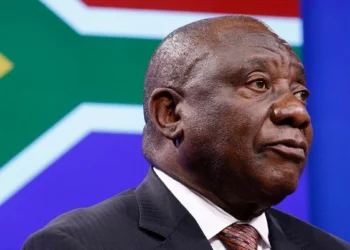
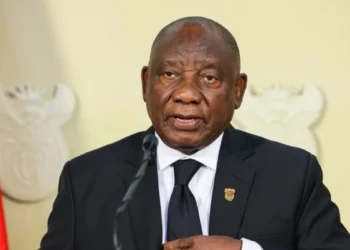
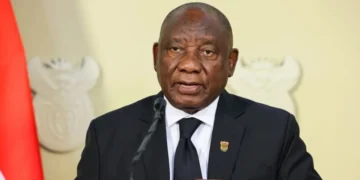
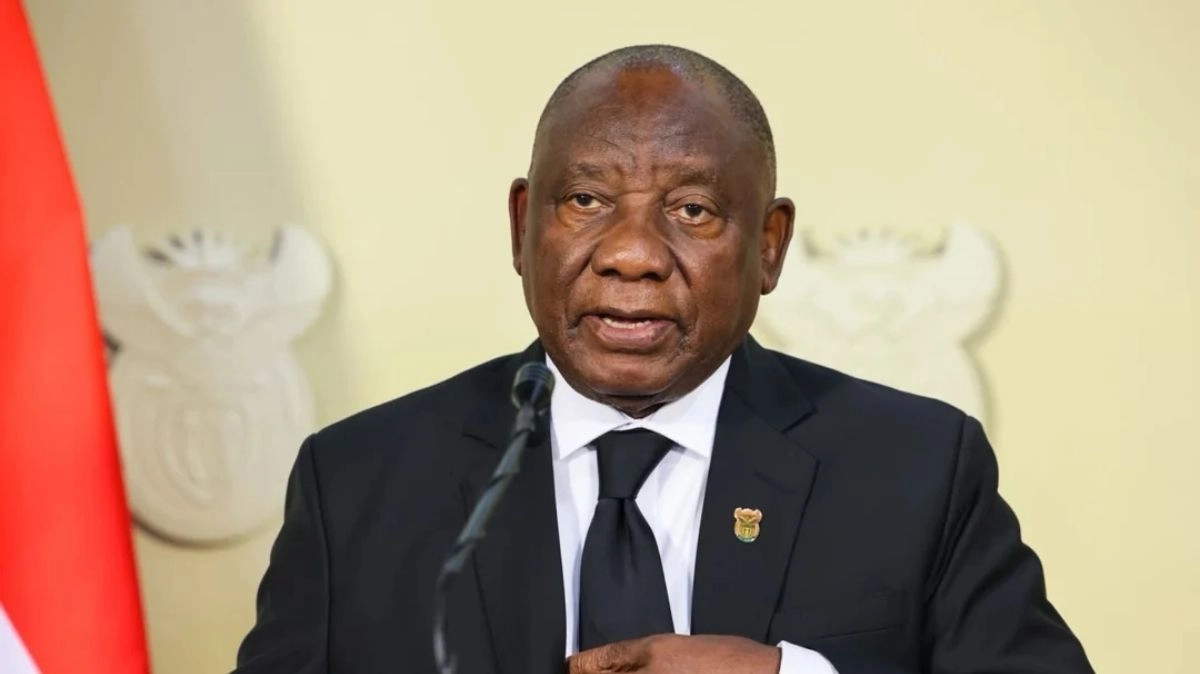
President Cyril Ramaphosa addressed the nation on Tuesday, 29 September 2026, and set out a four-point plan on violence against women with deadlines attached to each element.
That is the change. Previous addresses on this subject have produced commitments. This one produced dates.
He was direct about the record. “What we have done is not enough. We need to do much more,” he said, adding that he acknowledged this as president, and that government and society must both do better. He noted that he was addressing the crisis again seven years after doing the same thing at around the same time of year.
He described the violence as a source of profound pain and national shame, and said the country cannot police its way out of gender-based violence.
The four directives cover unresolved cases, the forensic backlog, municipal safety audits and liquor.
The deadlines, converted into dates
A deadline expressed in days cannot be held to account. A date can.
| Directive | Who | Period stated | Date it falls |
|---|---|---|---|
| Identify the number of unresolved cases of murder, rape and assault against women and children | Ministers of Police and Justice | 30 days | 29 October 2026 |
| Develop a plan of action for those cases | Ministers of Police and Justice | 90 days | 28 December 2026 |
| Outline how the forensic backlog in GBV and child cases will be addressed | SAPS and relevant authorities | 60 days | 28 November 2026 |
| Complete a women’s safety audit identifying high-risk areas | Every municipality | 60 days | 28 November 2026 |
| Address the most urgent hazards, or have a plan with clear dates | Every municipality | 90 days after the audit is completed | Up to 26 February 2027 |
| Develop a plan on liquor consumption and act against outlets flouting licences | DTIC and other departments | None stated | Not set |
| Publish a consolidated report, then quarterly | The Presidency | 90 days | 28 December 2026 |
Those dates are Southafriworld’s arithmetic, counted from the date of the address.
The municipal audit is the one to watch, because it carries the commitment most coverage has led with. The audits are to identify broken streetlights, overgrown public spaces, unsafe transport routes and facilities, and parks. That work is due by 28 November.
The remediation clock only starts when the audit is done. If a municipality completes its audit on the deadline, the 90 days that follow run to 26 February 2027. Five months from now. And what is required at that point is either the hazard fixed, or a plan with dates for fixing it.
That is not a criticism of the sequencing, which is reasonable for work that has to be surveyed before it can be costed. It is a correction to the impression that streetlights get fixed within 90 days.
What is missing: the amount, and one deadline
Two gaps stand out.
Ramaphosa committed additional funding and resources, but no amount was given. The Minister of Finance will announce the allocation at the Medium-Term Budget Policy Statement at a later date.
That matters because the responsible minister said in August that the National Council on Gender-Based Violence and Femicide had still not produced a costing framework for what the national response requires. A plan with dates and no number is halfway there.
The liquor directive is the second gap. The Department of Trade, Industry and Competition and other departments are to develop a plan to reduce alcohol-related violence, and outlets flouting their licences are to be brought to book. No period was attached to either. The other three directives all carry one. Alcohol pricing has been moving anyway, through the excise increases applied in April, but enforcement against non-compliant outlets is a separate matter and now sits without a date.
Measured against the three tests
On 25 September, before this address was scheduled, Southafriworld set out three things that would show whether it differed from those that came before it. Whether it carried a rand figure. Whether it set a delivery deadline. Whether it reported on Ekurhuleni with more than a statement that the investigation continues.
On the first, no. The amount is deferred.
On the second, yes, and this is the substantive change. Four directives, three dated periods, a consolidated report at 90 days and quarterly reporting after that. The reporting cycle is the part that makes the rest enforceable, because it creates a fixed moment at which non-delivery becomes visible.
On the third, partly, and it came from Cabinet rather than the address.
What the Ekurhuleni update adds
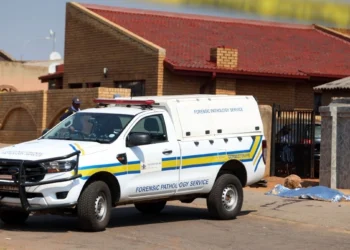
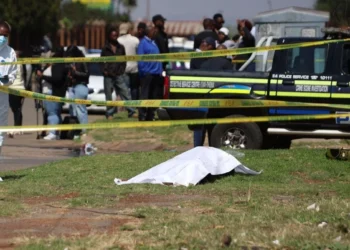
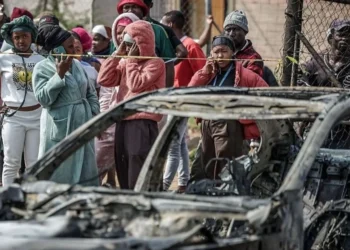
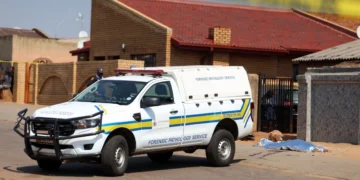
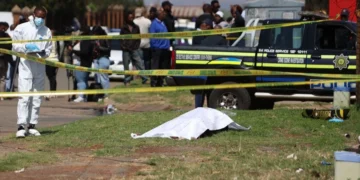
Minister in the Presidency Khumbudzo Ntshavheni said Cabinet mourned the 13 women murdered in various parts of Ekurhuleni and welcomed the arrest of four suspects in connection with three of the murders, adding that all remain in custody after being denied bail.
That is a concrete figure and it is consistent with the count Southafriworld published on 28 September, which had arrests in three cases across a record of eleven. It also updates one detail: a bail application for two of those in custody had been set for 1 October, and Cabinet’s statement indicates bail has been refused.
Cabinet’s figure of 13 does not match the police case record, which had 12 in Ekurhuleni plus one body recovered in Soweto that police have not linked to the series. Neither figure has been reconciled publicly.
Ramaphosa said the Ekurhuleni cases are receiving attention of the highest order, that additional persons of interest have been identified, that visible policing in the area is being increased along the lines of earlier deployments against violent crime, and that “these cases will not be allowed to go cold”. He appealed for information from the public.
Anyone affected by gender-based violence can contact the GBV Command Centre on 0800 428 428, which operates around the clock.
The first date on the calendar is 29 October, when the number of unresolved cases must be identified. It is the first test of a plan whose value rests entirely on whether the dates hold, in a country where fear of crime already shapes how people move through their own areas.
HOW WE REPORTED THIS CROSS-CHECKED
- This article was built from President Cyril Ramaphosa's address to the nation of Tuesday, 29 September 2026, and from the Cabinet statement issued by the Minister in the Presidency earlier the same day, both read as reported.
- The four directives were converted from stated periods of 30, 60 and 90 days into calendar dates counted from the date of the address, because a deadline expressed in days cannot be held to account and a date can, and that conversion is labelled as Southafriworld arithmetic in the article.
- The compound deadline in the municipal directive, which sets 60 days for an audit and then 90 days from the completion of that audit, was worked through to its outer date, because the streetlight commitment leading most coverage does not fall due when readers are likely to assume.
- The address was assessed against three specific tests Southafriworld published on 25 September as the measures of whether it would differ from previous addresses, being whether it carried a rand figure, whether it set a delivery deadline and whether it reported on the Ekurhuleni investigation with something concrete.
- This package rests on a single published account of the address, which is below the usual Southafriworld standard and is stated openly, and no comment was sought from the Presidency because every statement used is on the public record.
- This article was drafted with AI assistance and the facts, figures and quotations were checked against the primary source by the editor before publication.