









Fifteen deaths, and it is only September
Rabies in South Africa has killed 15 people so far in 2026, more than the 11 recorded in the whole of 2025. The Department of Agriculture released the figure this week as it opened its build-up to World Rabies Day on 28 September, and the message from Agriculture Minister Willie Aucamp was blunt: nobody should die of a disease we know how to prevent.
The count is as at 26 August 2026 and covers three provinces.
| Province | Human rabies cases in 2026 |
|---|---|
| Eastern Cape | 7 confirmed, 2 probable |
| KwaZulu-Natal | 5 confirmed |
| Limpopo | 1 confirmed |
| Total | 15 |
On the animal side, laboratories confirmed 115 positive rabies cases between 1 January and 31 July 2026. The department says the disease remains a threat in all nine provinces, with the Eastern Cape, KwaZulu-Natal and Limpopo the hotspots.
Vaccinating your dog is a legal duty
This is the part most pet owners do not know. Under the Animal Diseases Act 35 of 1984, every owner must have their dogs and cats vaccinated against rabies. It is not a recommendation attached to a vet’s annual reminder. It is a statutory obligation, and the reason for it is that breaking the domestic dog cycle is how the human deaths stop.
The department’s published schedule runs as follows.
| Stage | When |
|---|---|
| First vaccination | 12 weeks of age |
| First booster | Between 1 and 12 months after the first shot |
| Routine booster | Every 3 years |
| High-risk areas | Every year |
If you live in one of the hotspot districts, treat the three-year interval as a floor rather than a target. The department advises annual vaccination in high-risk areas.
What to do in the first ten minutes after a bite
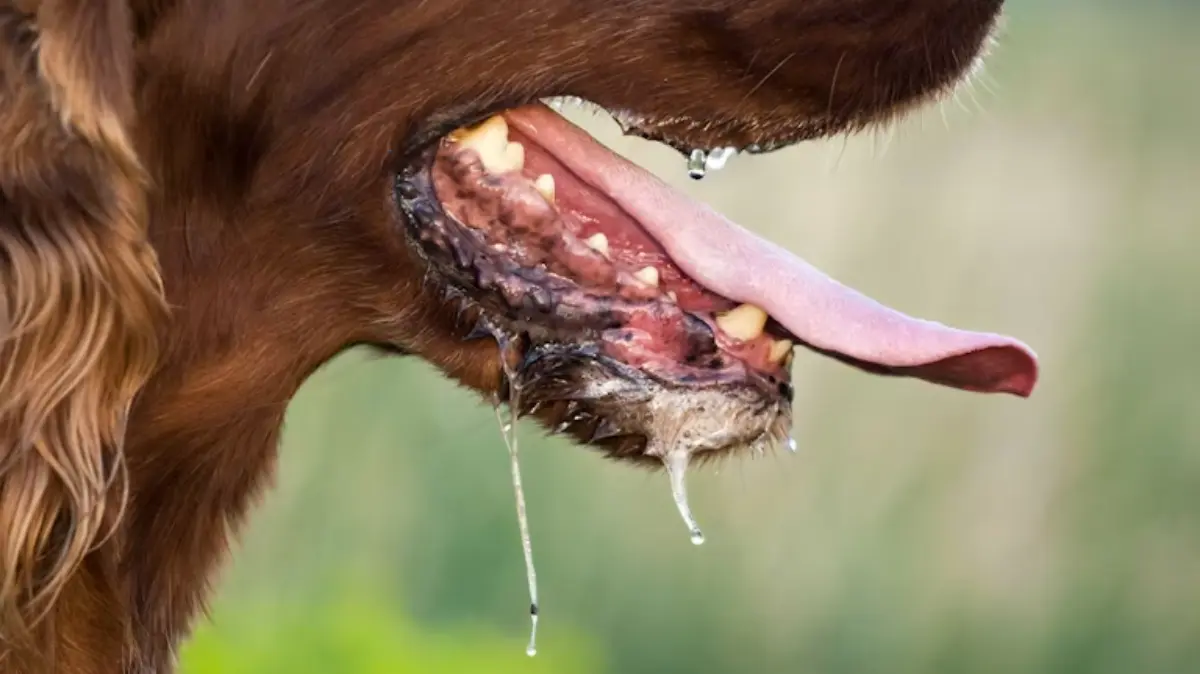
Rabies is close to 100% fatal once symptoms appear and close to 100% preventable before they do. The window between those two states is the whole game, and it is measured in hours, not days.
The department’s advice for anyone bitten, scratched or licked on broken skin by an animal that may be rabid:
- Wash the wound with soap and running water for at least 10 minutes. Not a rinse. Ten minutes.
- Get to a clinic or hospital immediately and say that rabies exposure is possible.
- Do not wait to see whether the animal gets sick, and do not wait for symptoms of your own.
Post-exposure treatment prevents rabies when it is given promptly and correctly. Once neurological symptoms appear, there is effectively nothing left to give.
The same applies to a lick on a mucous membrane or an open cut, which people routinely dismiss. Any mammal can carry rabies, including livestock and wildlife, not only dogs.
Reporting a suspected case
If an animal in your area is behaving strangely, contact your local state veterinarian, a private vet, an animal health technician or an animal welfare organisation. Contact details for provincial veterinary services are published on the department’s website.
There is a national rabies hotline on 0800 212 552, but the department restricts it to healthcare professionals, so it is not the number for a member of the public to phone after a bite. For a bite, go to a health facility.
The elimination target
South Africa has signed up to the global goal of ending dog-mediated human rabies by 2030, and works to a National Strategy for the Elimination of Canine Mediated Human Rabies covering 2019 to 2030, first revised in 2024. The 2026 World Rabies Day theme, “Stronger Together”, is aimed at the coordination problem: animal health, human health, municipalities and welfare organisations each hold a piece of the response.
The gap between the plan and the ground shows in the metro data. In eThekwini, 19 human rabies deaths were recorded between January 2021 and August 2026, 11 of them in one service area. A targeted vaccination drive in three communities there in July reached 141 dogs and seven cats.
That is the scale of the arithmetic problem. Campaign days reaching a few hundred animals cannot cover a metro dog population on their own, which is why the department keeps pushing owners to vaccinate between campaigns rather than waiting for one.
Where to get the shot
The department directs owners to their local state veterinarian, a private vet, an animal health technician or an animal welfare organisation for vaccination and advice. State and welfare clinics and organised campaign days are the usual low-cost route in hotspot areas, and private practice fees vary, so phone ahead and ask what a rabies vaccination will cost before you go.
Prevention at the animal end is the more reliable half of the system, because it does not depend on you reaching a facility in time after something has already happened.
If you keep dogs, it is worth reading up on your other legal obligations too. Our guide to what South African law requires of dog owners covers liability for bites, and we have written on free pet accident cover for households weighing up vet costs. For context on how zoonotic diseases get tracked here, see our reporting on the hantavirus case confirmed in South Africa.
Where to check
The Department of Agriculture publishes rabies guidance, the national elimination strategy and provincial veterinary service contacts on its website, and its statements appear on gov.za. Provincial veterinary services are the right first call for a suspected animal case. For a possible human exposure, the nearest clinic or hospital, immediately, is the only correct answer.