








Thirty years of self-regulation ended this week
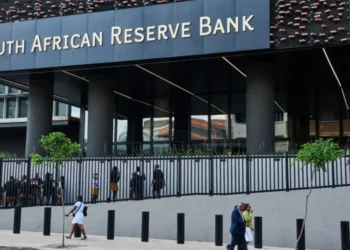
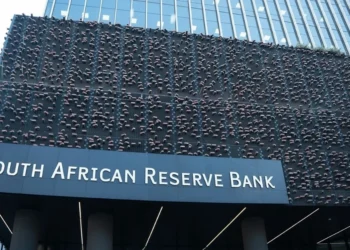
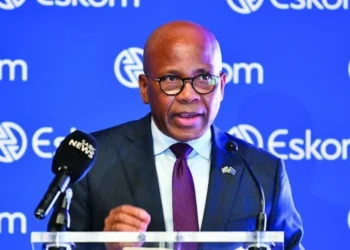
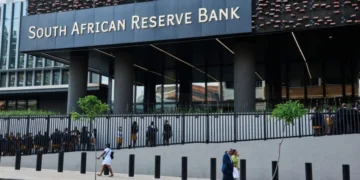
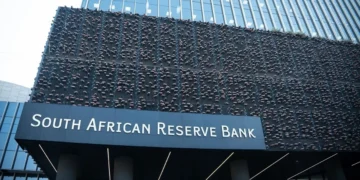
The National Payment System Bill is the next step in an overhaul that reached a milestone on 2 September 2026, when the last of the Payments Association of South Africa’s functions moved out of the association and into the Reserve Bank and PayInc. Reserve Bank governor Lesetja Kganyago told the MTN Group Fintech Summit in Johannesburg the day before that the Bill will soon go out for public comment.
Nothing about your bank account changed. The Reserve Bank was explicit that card payments, electronic transfers, debit orders and ATM withdrawals carry on as normal. What changed is who writes the rules.
The handover
PASA was set up in 1996 and formally recognised as a payment system management body in 1999. It was a self-regulatory structure: a non-profit funded by its member banks, organising and policing their participation in the clearing system. The Reserve Bank has now withdrawn that recognition.
| Date | Step |
|---|---|
| 1996 | PASA established |
| 1999 | Recognised by the SARB as a payment system management body |
| 11 August 2026 | First tranche of functions, affected staff and intellectual property transferred to the SARB |
| 2 September 2026 | Remaining functions and staff transferred, including those moving to PayInc |
PayInc is the renamed BankservAfrica, the clearing company, in which the Reserve Bank holds a stake. Rule-making now sits with the central bank and the utility rather than with an association of banks.
From who you are to what you do
The reform behind the Bill is a switch from entity-based regulation to activity-based regulation. Under the old model, the rules followed the type of institution. Under the new one, they follow the function being performed.
Kganyago put it plainly at the summit: “If it walks and quacks like a duck, it is a duck.” His point was that similar payment activities should face similar regulatory expectations whether a bank or a fintech is doing them.
That cuts both ways. It removes an advantage non-banks have had in operating outside parts of the rulebook, and it removes a barrier that has kept them dependent on banks.
The bank sponsor problem
South Africa has no e-money licence. A fintech that wants to hold customer funds or acquire card transactions has generally needed a licensed bank to sponsor it into the system. The sponsor takes the risk, sets the commercial terms and can withdraw.
The framework the Reserve Bank is building would create direct authorisation routes for non-banks doing specific activities, including electronic-money issuance and acquiring. In exchange, an authorised non-bank would carry obligations covering governance, protection of customer funds, anti-money-laundering controls and ongoing supervision.
A Reserve Bank scoping study is reported to have counted roughly 400 fintechs operating in South Africa. Most of them currently reach the payment rails through somebody else’s licence.
What it means for the person paying
In the short term, nothing. In the medium term, the argument for the reform is competition. More direct participants should mean more providers competing on the cost of accepting a card, moving a salary or sending a remittance, and fewer merchants refusing cards because of what the fees do to a small margin.
The Reserve Bank has also made payment system development a strategic priority alongside price and financial stability, with a stated preference for shifting South Africans off cash. That is a policy direction worth watching if you rely on cash, because it shapes everything from ATM strategy to instant payment pricing. We covered one strand of it in our piece on the Reserve Bank’s white-label ATM plans.
What is not settled
Quite a lot.
The Bill has not been introduced in Parliament. No date has been published for the comment period, and no commencement date exists. Once a draft is approved by Cabinet it still has to go through the National Assembly, committee review, public consultation and both Houses, which takes months rather than weeks.
The subordinate instruments move faster. The Reserve Bank published a revised draft of the activity-based authorisation framework in May 2026, together with a draft exemption intended to take specified payment activities out of the definition of banking business. Comments on those closed on 15 June 2026. Those do not need to travel through Parliament, so the practical shape of the new regime may be visible well before the Bill is law.
Treat any reported start date for non-bank authorisation as provisional until the Reserve Bank publishes it.
Where this leaves the banks
The banks lose a forum they controlled and gain competitors with direct access. Several non-banks are already circling the deposit-taking side of the market rather than waiting for payment reform, including the new bank Pepkor plans for 2027 and Revolut’s South African launch. Payment reform makes that competition cheaper to mount.
None of it reduces the need for care with your own money. Digital payment growth has tracked alongside a rise in banking app fraud, and a wider set of authorised providers does not change the basic advice about who you let near your phone.
Where to check
The Reserve Bank publishes payment system notices, directives and media releases under Payments and Settlements on resbank.co.za, and the media release on the PASA transition is dated 11 August 2026. Draft bills appear on gov.za once they are tabled. Those two sites are where a comment deadline or a commencement date will show up first.