





What we know so far
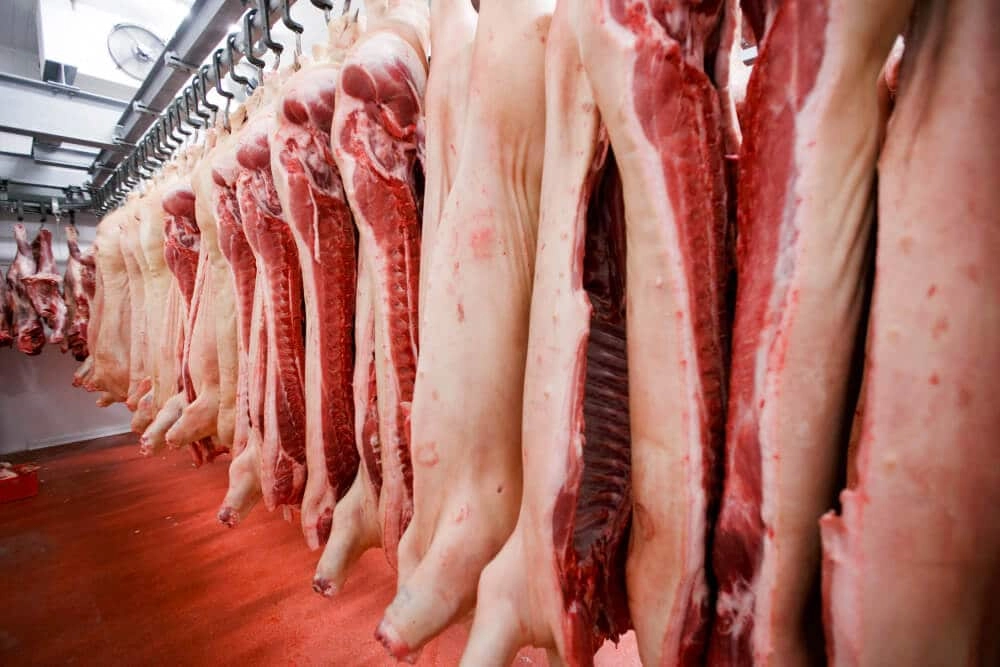
Pork prices in South Africa are set to climb further in the coming months after outbreaks of African swine fever and foot-and-mouth disease stripped thousands of pigs out of the formal supply chain, producers have warned.
Wholesale pork has already risen from about R32 a kilogram to around R40 a kilogram in recent weeks, according to Eskort chief executive Arnold Prinsloo, and he expects more increases as the shortage works through the system.
The scale of the loss was set out in the Gauteng Provincial Legislature on Thursday. Agriculture and rural development MEC Vuyiswa Ramokgopa, replying to questions tabled by the Democratic Alliance, confirmed that 69,171 pigs have been affected by African swine fever outbreaks in the province and that about 60,000 have been culled.
Seven separate outbreaks have been recorded in the City of Tshwane since November 2025, hitting both commercial operations and smaller-scale pig farms.
For households already stretched by food costs, this lands as another squeeze on the meat aisle.
Why pork prices in South Africa are climbing so fast
The pork market reacts sharply to even modest shortages, which is why a relatively small number of lost animals translates into a visible price move.
South Africa slaughters roughly 72,000 pigs a week across the formal and informal sectors. Prinsloo said the formal market has lost about 7,000 pigs to the combined impact of African swine fever and foot-and-mouth disease.
“While this represents a relatively small percentage of total supply, even a 2% shortage can drive price increases of around 10%,” Prinsloo said. “This is the reality of pork’s price elasticity.”
Until recently the industry had surplus stock to cushion the shock. Prinsloo said those reserves have now been depleted, which is why wholesale prices have moved so quickly.
The South African Pork Producers’ Organisation, known as Sappo, has told the trade that outbreaks at commercial piggeries in the Free State, North West, KwaZulu-Natal and the area northeast of Pretoria have constrained production.
Consumers should note one thing clearly. Sappo has stressed that pork sold through formal channels remains safe to eat. African swine fever and foot-and-mouth disease are animal health diseases that pose no risk to humans, and all meat entering the formal market continues to undergo veterinary inspection under the Meat Safety Act.
Key details and figures
The numbers behind the shortage, drawn from the Gauteng legislature reply and producer statements, are as follows.
- Pigs affected in Gauteng: 69,171, with about 60,000 culled.
- Outbreaks in the City of Tshwane: seven, recorded since November 2025.
- Sappo response costs: more than R10 million (about $605,000, approximate) for culling, carcass disposal and labour. This excludes direct losses suffered by farmers, which had not yet been submitted to the Gauteng department.
- National weekly slaughter: about 72,000 pigs across formal and informal sectors.
- Pigs lost to the formal market: about 7,000.
- Wholesale pork price move: from about R32 a kilogram to about R40 a kilogram, an increase of roughly a quarter.
Retail prices have not yet moved as sharply as wholesale, and weak consumer demand is the reason.
Agricultural Business Chamber of South Africa chief economist Wandile Sihlobo said softer household spending has held retail red meat prices in check despite the outbreaks.
“While slaughter is down somewhat due to softer domestic demand for red meat as households are under financial strain, prices haven’t increased much in recent months,” Sihlobo said.
Statistics South Africa’s latest average monthly food price data supports that. Beef prices generally fell in May compared with April, with beef mince down 2.4%, brisket down 2.5%, chuck down 1.7%, rump down 2.1% and T-bone steak down 3.9%. On an annual basis most beef products remained slightly more expensive than a year earlier.
Sihlobo said shoppers are increasingly switching to poultry as a cheaper protein, and that record maize and soya bean harvests have lowered feed costs, leaving the poultry sector better placed to absorb rising demand.
What happens next
Foot-and-mouth disease control in the cattle herd is the immediate government priority. Sihlobo said South Africa has imported ample quantities of vaccine and that the focus has shifted to distribution.
“The vaccination against foot-and-mouth disease in cattle is under way and South Africa has imported ample quantities of vaccine,” he said. “The focus now is on distributing the vaccines so they reach the farmers.”
There is no equivalent vaccination programme for African swine fever, where culling remains the primary control measure.
In Gauteng, the DA is pressing for more transparency. Shadow MEC for agriculture and rural development Bronwynn Engelbrecht has called on the provincial government to publish a comprehensive African swine fever response plan, including detailed outbreak maps, regular public updates and a full assessment of farmers’ losses.
Ramokgopa said her department is providing advisory and supervisory support while working with national government, Sappo and private veterinarians to contain the outbreaks.
The next hard read on food costs comes on Wednesday, when Statistics South Africa releases June consumer inflation data. That release will also shape expectations ahead of the South African Reserve Bank’s next interest rate decision