


What we know so far
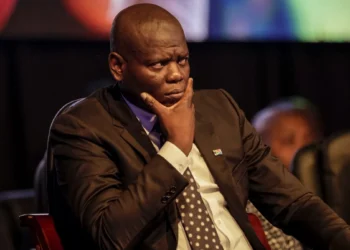
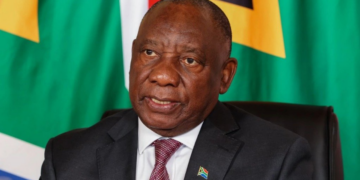
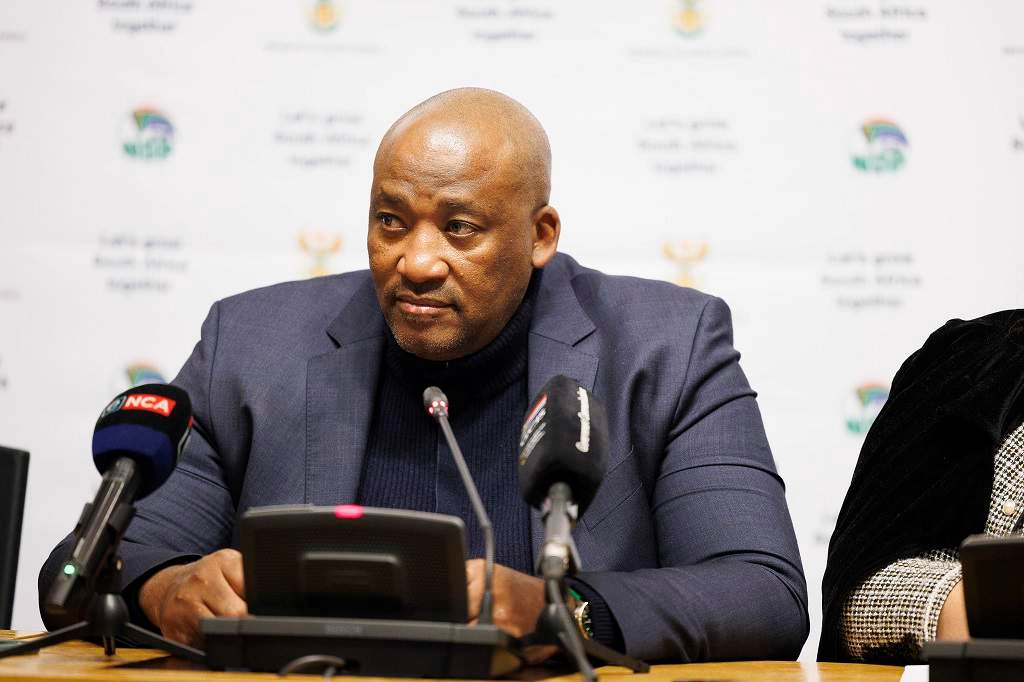
Sport, arts and culture minister Gayton McKenzie has published a line-by-line account of the Gayton McKenzie World Cup spending that opposition parties have been demanding for two months, putting the departmental bill at just under R31 million of public money.
The Department of Sport, Arts and Culture confirmed total programme expenditure of R30,945,370.15 (about $1.87 million, approximate) in written parliamentary replies to DA MP Leah Potgieter and ActionSA MP Dereleen James in mid-July.
McKenzie followed those replies with a detailed public statement over the weekend, setting out five expenditure categories and rejecting claims that the money was wasted.
He also addressed the accusation aimed most directly at him. He said his own costs came to just over R1 million (about $60,500, approximate), including a flight back to South Africa for Youth Day on 16 June, midway through the group stages.
“They have made it sound as though I spent R31m on myself, when my own costs totalled just over R1m,” McKenzie said.
What the Gayton McKenzie World Cup bill means for taxpayers
The central dispute is not whether the money was spent. It is whether a department that funds community sport should have spent it this way.
McKenzie’s position is that the tournament was a promotional platform and that using a departmental budget for the department’s own mandate is not misconduct.
“Spending a departmental budget on the department’s mandate is not, in itself, a wrongdoing,” he said. He described the outcome as nation-building and economic promotion rather than wasteful expenditure.
ActionSA’s Dereleen James framed the counter-argument in terms of what the money could have funded at home. She said taxpayers were entitled to ask whether R31 million represented value for money when communities lack basic sporting facilities and young South Africans are held back by crumbling infrastructure.
The DA’s objection has centred on disclosure rather than the total. Potgieter said the figures released were estimates only.
“These are merely estimates, and the minister’s evasiveness about specifics suggests something troubling,” Potgieter said.
No finding of wrongdoing has been made against McKenzie or the department, and no investigation into the expenditure has been announced. The figures remain provisional pending reconciliation.
Key details and figures
The department’s breakdown of the R30.9 million, as set out by McKenzie, is as follows.
| Item | Amount |
|---|---|
| Programme activities, fan engagement, Aldea Global participation, Atlanta activations and legacy work in Monterrey | R10 million |
| Official travel for government officials, including flights, accommodation, local transport, insurance and daily allowances | R7.86 million |
| Bafana Bafana 2010 legends squad, who played a match against Mexican legends | R6.71 million |
| Official hospitality venues in Atlanta and Monterrey | R3.36 million |
| 294 official FIFA match tickets across three host cities | R3.01 million |
On the size of the group, McKenzie said 151 individuals participated but the department directly funded only 75 of them.
The department-funded group comprised 18 officials, made up of the minister, two support staff, the director-general and a project team, along with 30 artists and cultural performers and 27 members of the 2010 Bafana Bafana legends squad.
The remaining 76 participants, being 47 fans and 29 journalists, influencers and podcasters, were funded by sponsors rather than the department, according to McKenzie.
Two discrepancies in the department’s own numbers are worth noting.
First, the artist count has moved. The DA said that in an earlier reply the department disclosed 20 artists and cultural participants. McKenzie’s latest statement puts the figure at 30.
Second, the total has climbed across successive replies. In June, McKenzie initially indicated expected spending of about R14 million, then put the budget at more than R19 million. The figure now stands at just under R31 million, which the department says may still rise or fall once invoices are reconciled.
McKenzie said he cut costs where he could, using rideshare services and local taxis rather than hiring private drivers, and said his family travelled at their own expense.
What happens next
The department is preparing a close-out report that will be tabled once all invoices, travel claims, sponsorship contributions and partner accounts have been reconciled.
“When it is ready, it will be tabled, and I remain available to account to the portfolio committee, as I always have been,” McKenzie said. He has challenged critics to produce evidence if they believe funds were misappropriated.
The DA has said it will submit further parliamentary questions seeking the outstanding details, including the names of delegation members and individual cost allocations, along with a firm date by which that information will be provided.
The party also intends to request that McKenzie appear before Parliament’s Portfolio Committee on Sport, Arts and Culture to account for the expenditure .
No committee date has been confirmed. The tournament itself concluded on 19 July, when Spain beat Argentina in extra time in the final.
The unresolved question is the one both opposition parties have pressed from the start: what each individual traveller cost the taxpayer. That figure is due in the close-out report, and no publication date has been given.