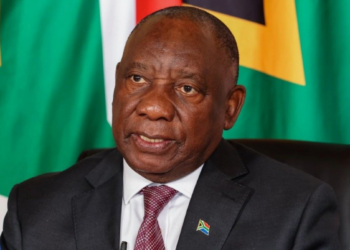
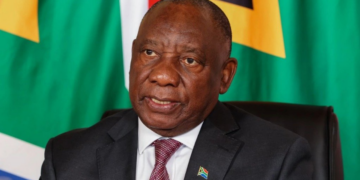






South Africa is set to receive a delivery of one million foot-and-mouth disease (FMD) vaccine doses on Saturday, 21 February 2026, as government intensifies a national response to the country’s most serious FMD resurgence in years. The shipment was announced by Minister of Agriculture John Steenhuisen during the State of the Nation Address debate in Parliament on Tuesday.
The new delivery forms part of a broader procurement plan that combines imported supply with a restart of limited local production. The goal is to vaccinate 80% of the national cattle herd by December, while tightening movement controls and surveillance to curb further spread of the highly contagious livestock disease.
What was announced in Parliament
Steenhuisen told lawmakers that the incoming consignment, sourced from Biogénesis Bagó, would be the largest single import of FMD vaccines to date. He said the shipment is intended to bring relief to the provinces and production regions experiencing the most intense pressure from outbreaks and related restrictions.
He also confirmed that private veterinarians may now register to assist with the state vaccination campaign, a policy shift aimed at expanding capacity and speeding up coverage. During the same address, Steenhuisen said mass vaccination would continue and be accelerated, with more than two million doses already administered through existing programmes.
Why the 1 million dose shipment matters
FMD is a viral disease that primarily affects cloven-hoofed animals such as cattle, sheep, goats and pigs. While it is not usually fatal in adult animals, it can cause severe production losses through reduced weight gain, decreased milk output, lameness and movement restrictions imposed to control spread. Outbreaks also have significant trade consequences, because importing countries can impose bans or tighter sanitary requirements on meat and animal products.
The current FMD resurgence has become a national economic issue because South Africa’s livestock and red meat value chains are closely linked to both rural employment and export earnings. Industry and economists have warned that extended trade disruptions and disease management costs can damage farm viability, raise input costs, and pressure food prices in affected areas.
In February, government also moved to classify the outbreak as a national disaster under the Disaster Management Act. That designation strengthens coordination across spheres of government and can help unlock faster mobilisation of resources, logistics support and emergency response funding.
How the vaccination rollout is expected to work
Government and veterinary authorities have repeatedly stressed that vaccines must be distributed and administered through controlled systems, with documentation that can be verified. The reason is not only to protect herds but also to support a longer-term objective: regaining international recognition of FMD-free status with vaccination.
According to official statements, South Africa must demonstrate no virus transmission for at least 12 months to restore that status, alongside surveillance, strict movement controls and verifiable vaccination coverage. Officials have warned that uncontrolled vaccine use can undermine disease-control protocols and complicate the evidence required for international animal health bodies and trading partners.
Key operational elements highlighted by government and partners include:
- Targeted allocation to affected zones and high-risk production corridors.
- Traceable administration through registered veterinary channels and approved technicians.
- Movement controls that restrict the transport of animals from infected or high-risk areas.
- Ongoing surveillance and sampling to track circulating strains and monitor outcomes.
The decision to allow registered private veterinarians to participate is expected to increase manpower significantly, particularly in commercial farming areas where veterinary networks already exist. It may also reduce delays in reaching herds that are vulnerable due to proximity to outbreak clusters or animal movement routes.
What additional vaccine supply is planned
The one million dose import is part of a wider supply plan that combines multiple suppliers. Government has indicated that more than five million doses are expected to be delivered by the end of March, sourced from three international suppliers.
Separate from the Biogénesis Bagó shipment, official channels have outlined further imports from Botswana Vaccine Institute and a Turkish supplier, alongside monthly supplies planned for the second quarter of 2026. The intent is to stabilise access to vaccines while local production capacity is rebuilt.
This approach is also aimed at reducing reliance on a single source, after years in which South Africa largely depended on imports due to limited domestic production capacity.
Local production restart and why it is limited for now
Alongside imports, officials have pointed to the restart of operational vaccine production at the Agricultural Research Council (ARC) Onderstepoort Veterinary Research campus. ARC has explained that FMD vaccine development and manufacturing are highly regulated and technically complex, in part because production often involves handling live virus under strict biosafety conditions.
ARC has also emphasised that registration of a vaccine does not automatically mean it can be produced at scale, and that scaling up production involves biological process changes, not only increased volume. The council has stated that no facility outside ARC is authorised to produce the FMD vaccine in South Africa under current legal and regulatory frameworks.
Government has said the ARC facility is being capacitated to increase output over time, starting with smaller volumes and building toward larger weekly production in the coming years. ARC has indicated that it plans to add weekly doses from March 2026, alongside imports, and that expanded capacity is under development through infrastructure and process enhancements.
The export and economic dimension
The urgency around vaccines is closely tied to the economic impact of ongoing outbreaks. International restrictions can limit access to key meat markets, while domestic controls increase costs for farmers and supply chains. Reuters has reported significant export declines linked to FMD-related disruptions and bans, alongside rising costs for affected producers.
Officials have argued that restoring predictable disease control, and ultimately regaining recognised status, is central to reopening markets and restoring confidence in the livestock sector. Industry bodies have also framed the vaccination campaign as essential for rural stability, given the role of cattle and livestock in employment, household incomes and agricultural services.
What happens next
The coming weeks are expected to focus on distributing the one million dose shipment into priority areas, integrating registered private veterinarians into the programme, and aligning imports with expanding local output.
Near-term indicators to watch include:
- Where the first shipment is allocated, and whether vaccination rates rise in the most affected provinces.
- How quickly private veterinarians are registered and deployed into the national campaign.
- Whether additional shipments arrive on schedule through March.
- Whether movement controls and surveillance reduce new detections, supporting the 12-month, no-transmission pathway required for status recovery.
Government has positioned the combined import and local production plan as a turning point, but implementation will be closely scrutinised by farmers, exporters and veterinary stakeholders given the scale of the outbreak and the economic risks attached to prolonged restrictions.