







What we know so far
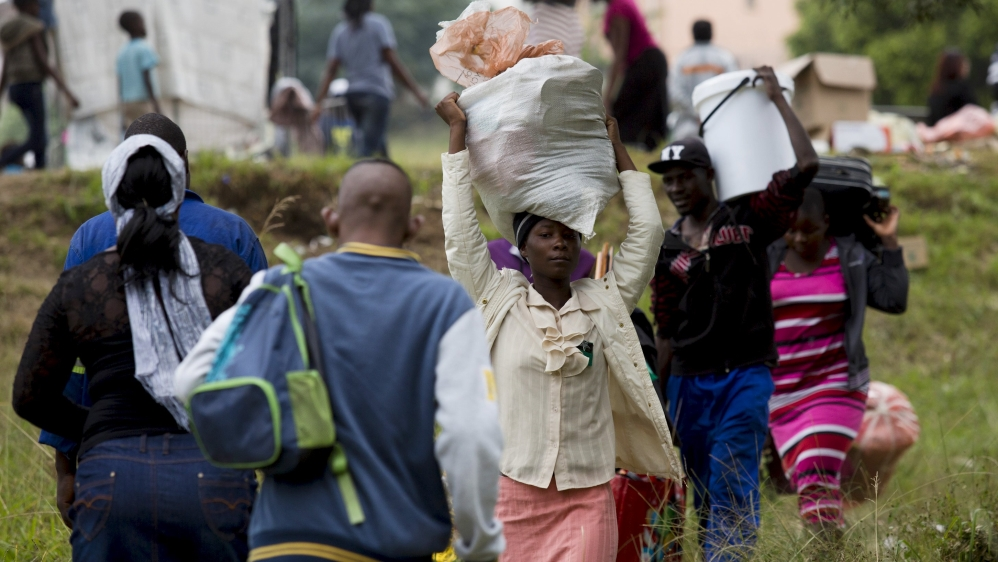
Nearly 100,000 Zimbabweans have returned home from South Africa since late May, the Zimbabwean government announced at a post-cabinet media briefing in Harare on Tuesday, 14 July.
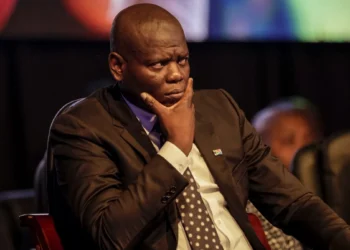
Zimbabwe’s Information Minister Zhemu Soda told journalists that cabinet had received an update on the country’s repatriation and reintegration programme, led by Local Government and Public Works Minister Daniel Garwe.
“The nation is being informed that, through collaborative efforts, the interministerial committee and development partners facilitated the return of 99,418 citizens from 28 May up to now,” Soda said.
More than 70% of the returnees are women and children, according to the minister, who added that the number of Zimbabweans requiring assistance continues to rise. “Measures have been put in place to meet the growing demand,” he said.
The figures are the Zimbabwean government’s own and have not been independently verified. South African authorities have not published matching departure numbers.
Why it matters
The scale of the movement is significant for both countries. Zimbabweans make up one of the largest foreign communities in South Africa, working across agriculture, construction, hospitality, domestic work and retail, and a sustained outflow of this size would be felt in several sectors of the South African economy.
The returns have taken place amid heightened tension over immigration in South Africa. Groups such as March and March have called for foreign nationals to leave the country, and Zimbabwe launched its repatriation programme on 28 May as those campaigns intensified.
The pace of departures has accelerated sharply. By 8 July, the Zimbabwean government’s own updates put the total number of returnees at 78,123, of whom 21,291 had been assisted under the official programme and 56,832 had crossed back independently. Less than a week later, the figure announced by cabinet had climbed past 99,000.
The movement also extends beyond Zimbabweans. Soda said his government is working with the Malawian and Zambian embassies to assist citizens of those countries who crossed into Zimbabwe on their way home from South Africa. “Appropriate arrangements are being put in place for assistance to be rendered to any other nationals facing challenges as they transit to their countries of origin,” he said.
Key details and figures
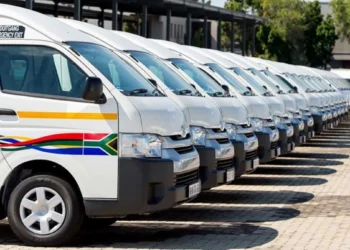
The Zimbabwean government has expanded its receiving operations at the border to cope with the influx. The country’s Border Management Committee, which includes immigration and customs authorities, has intensified measures to process buses and trucks carrying returnees through border posts more efficiently, Soda said.
At the Beitbridge Repatriation Centre, First Lady Auxillia Mnangagwa has assisted returnees with donations of 30 tonnes of rice, 20 tonnes of mealie meal, more than 5,000 tracksuits, 1,500 nappies and 1,500 sanitary packs, according to the briefing.
Health services are being provided at the Beitbridge transit centre by Zimbabwe’s health ministry working with Médecins Sans Frontières and other partners. Healthcare workers there have screened 870 children for malnutrition and identified and treated 15 cases of diarrhoea, Soda said.
The humanitarian picture on the South African side remains visible too. News24 has reported that groups of Zimbabweans and Malawians were still waiting in Cape Town to be repatriated in mid-July.
At the same briefing, Zimbabwean Foreign Affairs Minister Amon Murwira welcomed a recent visit by South African traditional leaders, including amaZulu King Misuzulu kaZwelithini, who met President Emmerson Mnangagwa and distanced themselves from xenophobic attacks in South Africa.
What happens next
The Zimbabwean government says it will continue supporting returning citizens to ensure their smooth reintegration, though it has acknowledged that demand for assistance is still growing and has not indicated when the repatriation programme might wind down.
Several questions remain open. The Zimbabwean figures include both facilitated and independent returns, and it is not clear how many of those who left intend to stay in Zimbabwe permanently or may return to South Africa if tensions ease. The South African government has not released its own data on the departures, and no official response to the latest Zimbabwean figures had been published by the time of writing.
The reintegration challenge facing Harare is considerable. Tens of thousands of returnees, most of them women and children according to the government, will need housing, schooling, healthcare and income in an economy that has long driven emigration in the opposite direction.
The next cabinet updates from Harare are expected to show whether the pace of returns is holding, slowing or accelerating as the situation in South Africa develops.