
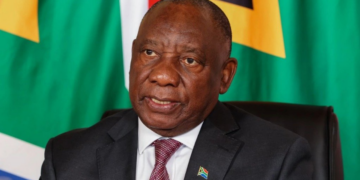




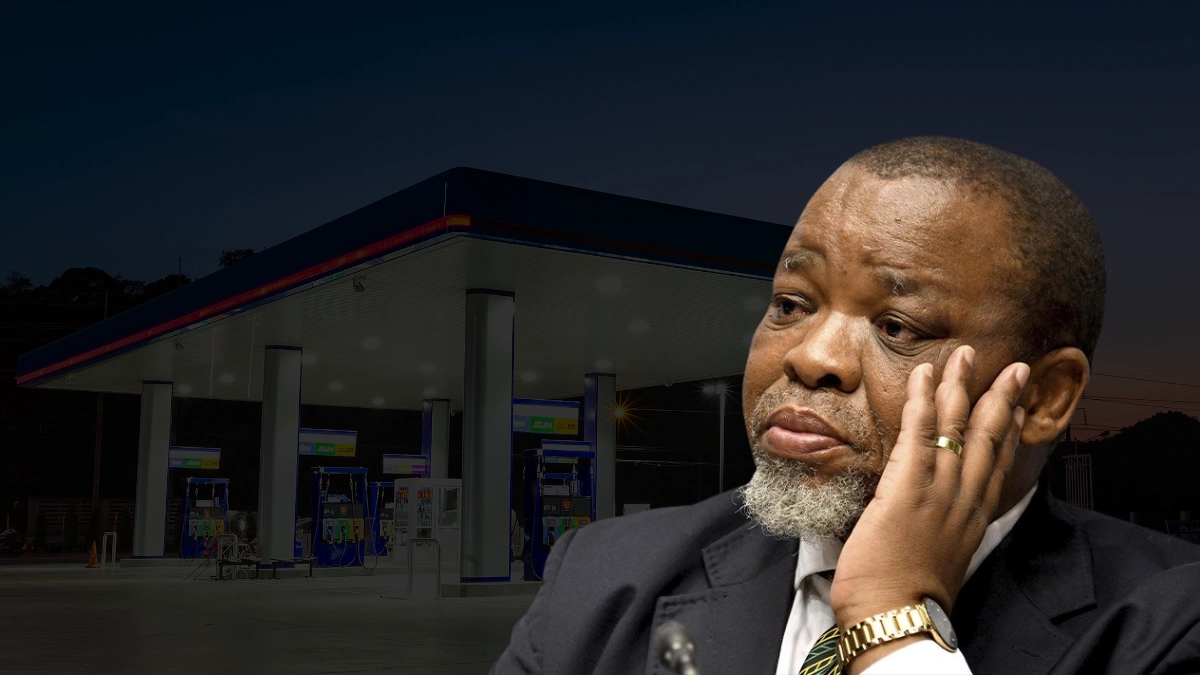
Petrol stations in South Africa have been put on notice after Mineral and Petroleum Resources Minister Gwede Mantashe warned that deliberately withholding fuel from the market is illegal. The warning comes as the country deals with localised reports of diesel supply problems, rising anxiety over April fuel prices and growing concern that some retailers could be tempted to hold back stock in anticipation of higher margins.
The key change is not that government has declared a national shortage. It has not. What has changed is that the minister has now publicly linked deliberate fuel withholding to illegality and promised action against stations found doing it. That matters because South Africa is already in a fragile fuel environment, with global supply tensions, higher oil prices and sporadic local disruptions creating pressure across the system. What happens next will depend on enforcement, the April price decision and whether industry can stabilise supply without wider panic-buying or opportunistic behaviour.
What we know so far
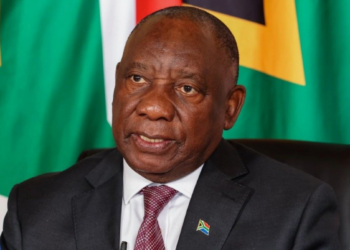
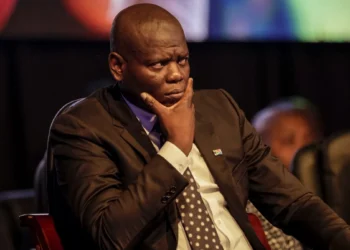
The strongest current public reporting says Mantashe made the warning during a question-and-answer session in the National Assembly on 25 March 2026. According to that account, he said withholding fuel is illegal and that petrol stations found doing so would face prosecution. While a full official parliamentary transcript was not publicly available at the time of writing, the warning has been reported as a direct ministerial response to concerns over fuel availability and pricing behaviour.
The warning lands against a backdrop of official reassurance from government and industry. In a 20 March statement, the Department of Mineral and Petroleum Resources and the Fuels Industry Association of South Africa said fuel supply remains stable in the immediate term and there is no basis for panic-buying. They acknowledged that isolated localised logistical problems can affect movement or availability in some areas, but said those issues do not amount to a national supply shortage.
Government made a similar point earlier in the month. On 10 March, the department said there was no immediate risk of fuel shortages in South Africa, even as global oil market tensions intensified. It said the country remains in continuous contact with oil companies and emphasised that supply planning is being actively managed.
That does not mean the market is comfortable. BusinessTech reported on 25 March that localised shortages, especially of diesel, were already being raised by community and civil-society sources, even while national authorities insisted that overall supply remained intact. The result is a split picture in which the official national message is one of stability, but conditions on the ground may still be uneven in some places.
Why it matters
The minister’s warning matters because fuel retail sits at the final point of a highly sensitive supply chain. If stations begin withholding stock ahead of an expected price increase, even limited hoarding can worsen local disruptions and fuel public anxiety. In practical terms, that can create a self-reinforcing problem: motorists rush to fill up, queues increase, stock turns faster, and any station already under strain starts looking like proof of a wider crisis.
The timing is also significant because April fuel pressure is already building. Government’s 2 March fuel-price statement said Brent crude rose during the previous review period and pointed directly to geopolitical uncertainty involving the United States and Iran, including possible disruption through the Strait of Hormuz. That statement resulted in March increases of 20 cents a litre for petrol and 62 to 65 cents a litre for diesel, and it formed part of the broader warning that South Africa remains vulnerable to global supply shocks.
Since then, the official public line has become more cautious. The department has said higher fuel prices are expected from April 2026 as international crude prices continue to rise. That creates an obvious incentive problem in the retail market. If some operators believe a higher regulated price is imminent, the temptation to delay sales or manipulate stock could increase, which appears to be exactly the behaviour Mantashe was trying to deter.
The issue matters beyond petrol stations themselves. Diesel availability is crucial for freight, farming, generators, mining activity and backup power, while petrol price spikes filter into household transport costs, delivery charges and inflation. A warning aimed at retailers is therefore also a warning about broader economic disruption.
Key details and figures
Several verified facts frame the current dispute:
- Mantashe has been reported as saying on 25 March that withholding fuel is illegal and that petrol stations caught doing so would be prosecuted.
- The DMPR and Fuels Industry Association said on 20 March that there is no basis for panic-buying and that South Africa’s fuel supply remains stable in the immediate term.
- The same statement said localised logistical problems do not amount to a national shortage.
- On 10 March, the department said there was no immediate risk of fuel shortages.
- The official March 2026 fuel adjustment increased petrol by 20c/l and diesel by 62c/l to 65c/l from 4 March.
- The department attributed the earlier increase to higher Brent crude prices, rising shipping costs and geopolitical uncertainty affecting oil markets.
These details show why the warning is being treated seriously. The market is already under stress, price pressure is real, and government appears concerned that retailer behaviour could make the situation worse before the next official adjustment even takes effect.
What the law or policy says
South Africa’s fuel market is regulated, which means retail prices are not supposed to be manipulated through private opportunism at the forecourt level. While the precise legal mechanism for prosecuting fuel withholding was not set out in the public reports reviewed, the minister’s position is that stations cannot lawfully hold back product from the market in order to gain from an expected price jump. The department’s broader fuel-security messaging also makes clear that it views supply continuity as a public-interest issue, not just a commercial matter.
That policy stance fits with the state’s wider approach over the past year. Mantashe has also previously warned petrol stations over adulterated fuel, saying random and scheduled testing would continue to verify compliance with fuel standards and catch illegal diesel-paraffin mixing. In other words, the department has already shown a willingness to intervene where retailer conduct threatens consumers or the integrity of the fuel market.
What happens next
The next immediate development is the April fuel-price decision. If international oil conditions remain tight and official under-recoveries stay elevated, pump prices are likely to move higher again. That means government will have to manage two risks at once: the cost shock itself and the behaviour it may trigger among retailers and consumers.
For petrol stations, the message from the minister is blunt. Selling fuel into a rising market is lawful. Withholding it to exploit a rising market is not. That turns a commercial temptation into an enforcement risk, especially if shortages reappear suddenly in areas where stock seems to return only after a price increase takes effect.
For motorists, the practical takeaway is more restrained. Government is still saying there is no national shortage and no basis for panic-buying. The official position is that localised disruptions are being managed and that supply remains stable in the immediate term. But Mantashe’s warning suggests the state is alert to the possibility that some retailers could worsen conditions through deliberate conduct. That is why the story is significant: not because South Africa has already run out of fuel, but because authorities are now publicly warning petrol stations not to make a tense market even worse.