





An arrest in Emfuleni
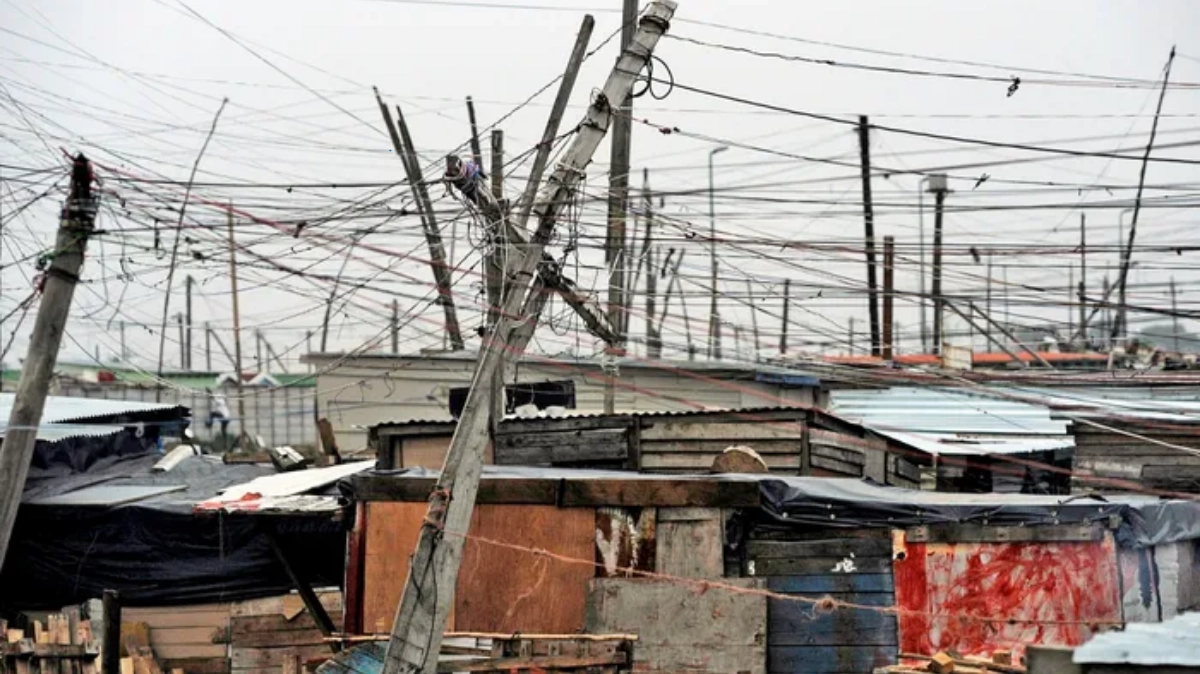
Illegal electricity connections are usually treated as a household problem. The arrest police announced this week frames them as something else.
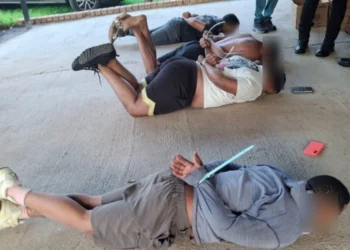
The Gauteng Political Killings Task Team arrested an eighth suspect it believes is the mastermind behind illegal connections and the theft of critical infrastructure at Emfuleni Local Municipality, police spokesperson Brigadier Athlenda Mathe said. The suspect was re-arrested shortly after being released on bail in an unrelated matter. A woman linked to the same alleged scheme is due in court this week.
That is the shape of the problem at the top end: organised, resold, and protected. At the bottom end it is a bridged meter in a yard. The law reaches both, and the penalties are not small.
What counts as illegal
Four things, broadly.
- Connecting to the network without a meter, commonly called bridging.
- Tampering with or bypassing a meter so it under-registers or stops registering.
- Buying prepaid tokens from unlicensed vendors.
- Reselling electricity to other households without authorisation.
Eskom’s own guidance is blunt about why the second one is dangerous rather than just dishonest. When a meter is illegally altered, faults in the house may go undetected and the system may not trip when it should.
What it costs if you are caught
The pattern Eskom has described is a fine, disconnection until the fine is paid, escalation for repeat offences, and criminal prosecution for persistent offenders. Meters that were vandalised are replaced at the customer’s cost.
Reported fine amounts have sat in the R6 000 range for a first offence, with a higher figure for a second, but these are administrative charges that Eskom adjusts and they vary by supply size and by distributor. Municipal distributors set their own. Confirm the current amount with your own supplier rather than working off a number in a news report.
The criminal side is heavier than most people assume. Tampering with or damaging essential infrastructure is an offence under the Criminal Matters Amendment Act, and Eskom has pointed out that it carries penalties of up to 30 years’ imprisonment. That is the provision used against the people stripping substations and reselling supply, not against a household with a bypassed meter, but it is the same statute.
Why paying customers get cut off too
This is the part that generates the most anger, and it is worth understanding before you phone your councillor.
Illegal connections draw current that the local transformer was never sized for. Overloading happens mainly during the morning and evening peaks. Eskom applies load reduction in affected areas, switching supply off for a period to protect the equipment, and it has said plainly that paying customers cannot be excluded from it.
The alternative is worse. Eskom has warned that a transformer damaged by overloading can leave an area without power for up to six months.
Load reduction is not load shedding. Load shedding is a national supply shortfall and applies to schedules across the country. Load reduction is local, driven by overloading in a specific area, and it continues even during long stretches without load shedding, such as the run we covered when Eskom passed 300 days without load shedding.
How to report a connection
Eskom takes anonymous reports on the numbers below. Municipal areas should be reported to the municipality, since Eskom does not distribute everywhere.
| Channel | Number |
|---|---|
| Eskom Crime Line | 0800 11 27 22 |
| Eskom Crime Line WhatsApp | 081 333 3323 |
| Eskom contact centre | 08600 37566 |
| SMS Crime Line | 32211 |
One warning attached to this. Messages circulating on social media have promised a R5 000 reward for reporting a bridged house. Eskom has confirmed there is no reward programme and that the claim is false. If a message asks for your details in exchange for a payout, it is not from Eskom.
If your meter gets flagged and you did nothing
Audits target households whose consumption dropped sharply or whose meters record no buying transactions. A house that installed solar can look identical to a bypassed one in that data.
Keep the paperwork. A certificate of compliance for the installation, the invoice, and proof of your registration with your distributor will resolve an audit quickly. Registration is a separate obligation in its own right, which we set out in our piece on solar registration and Eskom’s position on fines.
The wider bill
Electricity theft is one of the reasons the price keeps rising for the people who do pay. Non-technical losses are recovered through tariffs, which is the backdrop to the increases we tracked in Eskom’s proposed hike for 2027 and in municipal tariff increases for 2026.
None of that makes the arithmetic easier for a household that cannot afford a connection. The legal route for indigent households is the free basic electricity allocation and the indigent register at your municipality, which is worth applying for rather than bridging a meter and ending up with a fine you can afford even less.
Where to check
Eskom publishes safety guidance, crime line details and media releases on illegal connections at eskom.co.za. If your supply comes from a municipality rather than Eskom, the tamper penalty, the reporting line and the indigent application all sit with that municipality, and its tariff schedule is where the penalty amount is published each year.