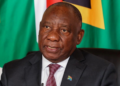

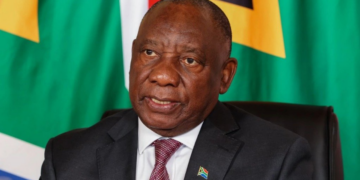




Bad news is building for South Africans hoping for cheaper borrowing costs soon. The South African Reserve Bank has kept its policy rate at 6.75%, and recent comments from Governor Lesetja Kganyago suggest policymakers are becoming more cautious, not less, as geopolitical shocks and higher oil prices threaten to push inflation up again.
The stronger and more accurate angle here is not that South Africa has already hiked interest rates again. It has not. The problem is that the case for rate cuts has weakened materially, and the Reserve Bank is now openly warning that it may need to keep its options open, including the possibility of tighter policy if inflation pressures worsen.
That matters because South African households and businesses had been hoping that softer inflation would create room for more relief this year. Instead, the latest signals from the central bank and financial markets point toward a higher-for-longer environment, with cuts delayed and the risk of renewed rate pain back on the table.
What we know so far
The SARB left the repo rate unchanged at 6.75% at its 26 March 2026 meeting. Reuters reported that the decision was unanimous and that the bank said caution was needed because higher energy prices linked to the Middle East conflict would push inflation up in the near term.
At that meeting, the central bank said headline inflation was expected to accelerate to around 4% soon, with second-quarter fuel inflation projected at more than 18%. Reuters also reported that the SARB’s projection model now showed rates staying unchanged for a longer period, postponing cuts that had still been visible in January.
That more cautious tone hardened further in May. Reuters reported on 6 May that Kganyago said policymakers had to keep their options open on interest rates because geopolitical shocks were clouding the outlook and inflation expectations remained above the bank’s 3% target. He added that while inflation had been trending lower, the effects of the conflict-driven oil shock were only just beginning to filter into the economy.
Reuters said South Africa’s headline inflation edged up to 3.1% in April from 3.0% in March, and that many economists expected inflation to move above 4% in the coming months as higher fuel prices fed through. The next SARB policy meeting is scheduled for 28 May.
Why it matters
Interest rates matter because they shape the cost of debt across the economy. When the SARB delays cuts or signals that hikes remain possible, that affects mortgage holders, car buyers, businesses using credit facilities, and consumers already stretched by high living costs. The repo rate may sound technical, but its impact is personal and immediate. This is an inference based on the SARB’s role in setting borrowing conditions and Reuters’ reporting on how inflation risks are changing the policy path.
The biggest immediate problem is oil. South Africa is a net fuel importer, which means global oil shocks travel quickly into domestic inflation through petrol and diesel. Reuters reported that stalled U.S.-Iran negotiations and the wider regional conflict pushed oil above $100 a barrel, increasing fears that inflation pressures will stick around for longer and keep local rates elevated.
That is why hopes of easy rate relief have faded. In March, Reuters reported that economists had previously expected further easing this year, but those bets were effectively knocked out by the worsening external shock. By May, Kganyago was saying openly that “timely moves in interest rates” might be needed if supply shocks drove inflation higher and threatened to unanchor expectations.
There is also a market signal here. Reuters reported on 11 May that the rand weakened as investors worried that higher oil prices would keep interest rates higher for longer. South Africa’s benchmark 2035 government bond was weaker too, with the yield rising 6.5 basis points in early trade. That shows the rate-pain story is not only theoretical. Financial markets are already reacting to it.
Key details and figures
The key policy number is 6.75%, which is where the SARB has held the repo rate through its last two meetings. Reuters reported that the bank’s March hold was unanimous and that the next MPC decision is due on 28 May 2026.
The key inflation number is 3.1%, which Reuters said was South Africa’s April headline inflation reading, up from 3.0% in March. That is still relatively low in absolute terms, but the direction matters because the Reserve Bank had been benefiting from a softer inflation trend before the oil shock complicated the picture.
The key forward-looking number is around 4%. Reuters reported in both March and May that the central bank expects inflation to move to around that level soon. If that forecast is borne out, the scope for cuts becomes much narrower, especially because Kganyago has said inflation is still not properly anchored at the central bank’s 3% target.
The worst-case risk is even more uncomfortable. Reuters reported in March that the SARB examined adverse scenarios for a prolonged Iran war and found that in the most severe case inflation would rise above 5% and only return to target in 2028. In both adverse scenarios the bank said higher interest rates would be needed to contain price pressures.
What happens next
The next major test is the 28 May MPC meeting. South Africans hoping for relief will be watching not only the rate decision itself, but also the tone of the statement, the inflation forecasts and whether the bank’s language becomes more defensive. If oil remains high and inflation keeps drifting upward, the SARB is unlikely to sound dovish.
For now, the public record supports a clear conclusion. The bad news for South African interest rates is not that a hike has already happened. It is that the path to lower rates has become much harder, and the risk of rates staying high for longer, or even rising again if inflation worsens, has increased meaningfully.