







What we know so far
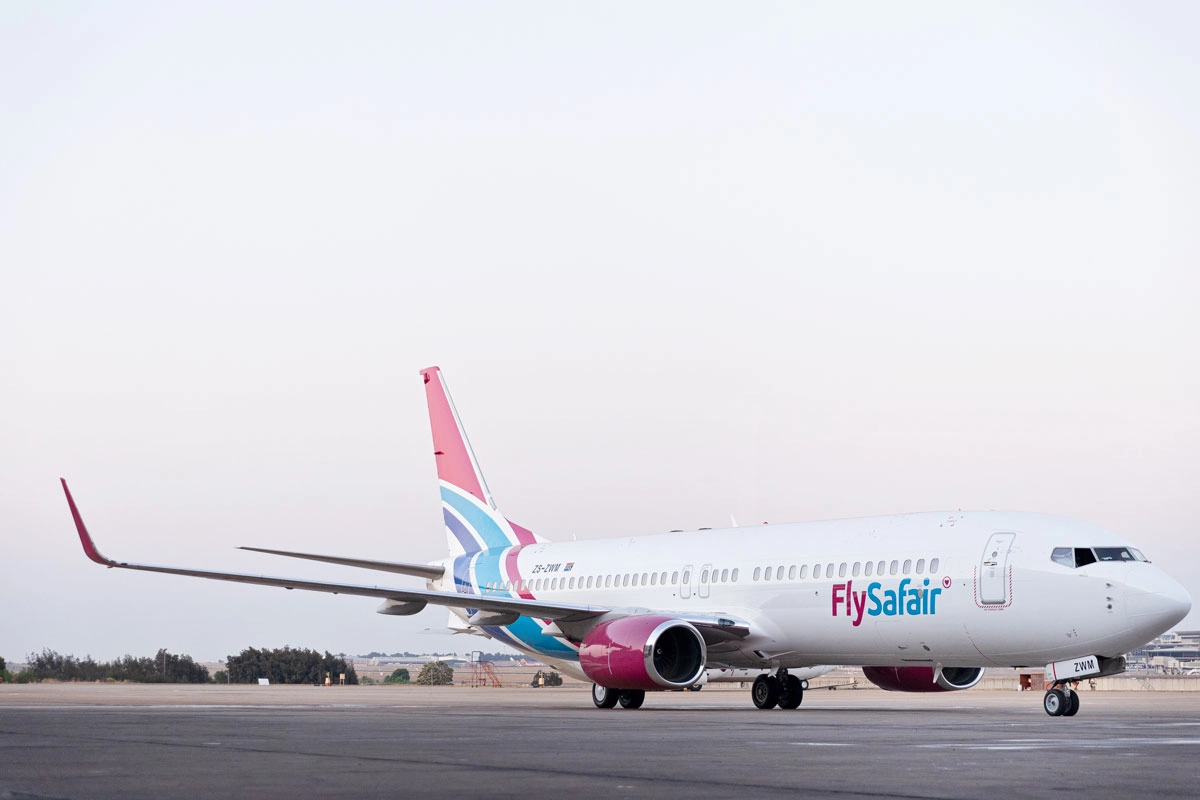
Flight prices South Africa travellers pay are climbing again, with FlySafair confirming that its fuel surcharge has increased in response to a fresh spike in jet fuel prices.
The airline’s Dynamic Fuel Surcharge now costs customers approximately R310 per flight, and the amount changes in line with jet fuel prices.
The trigger is renewed conflict in the Middle East, which has pushed up the price of Jet A1 aviation fuel after a period of easing earlier in July.
FlySafair introduced the surcharge on 12 March 2026, the first time in its history it had applied one. It came after Jet A1 prices at South African coastal airports rose roughly 70% in a single week.
That original spike followed disruption to global oil supply routes tied to the Middle East conflict that began in late February 2026.
The surcharge is applied as a separate line item on the ticket and is reviewed weekly. FlySafair has said it will be removed in future, but could not give a timeline given the volatility of the conflict.
For travellers, the practical point is that the fee is live now, moves week to week, and is rising rather than falling.
What higher flight prices South Africa mean for your next trip
For anyone booking a domestic flight, the surcharge is a real and visible addition to the fare, separate from the base ticket price.
At about R310 a flight, a return domestic trip carries roughly R620 in surcharge alone at current levels, before the base fare, taxes and any other charges. The exact amount varies by route, since it reflects fuel burned over distance.
The history shows how far this can move. In the first week after the surcharge launched, it averaged R176, then climbed to a peak of about R832 on the Johannesburg to Cape Town route on 30 March 2026.
It was cut back as jet fuel eased, falling to about R491 on that route by early June, a 40% reduction from the March peak. It was never removed, and it has now risen again.
That volatility is the reader’s takeaway. A surcharge that has ranged from under R200 to over R800 on a single route in a matter of months makes the final price of a flight harder to predict from week to week.
Booking earlier can help, because FlySafair has said it does not add the surcharge to bookings already made before a change. Changing an existing booking to a new flight, however, can bring the current surcharge into play.
Key details and figures
The FlySafair Dynamic Fuel Surcharge through 2026, on domestic routes:
| Point in time | Surcharge level |
|---|---|
| Launch, 12 March 2026 | First ever for the airline |
| First week average | About R176 |
| Peak, Johannesburg to Cape Town, 30 March | About R832 |
| Peak, Cape Town to Durban, late March | About R840 |
| Reduced level, 2 June | About R491 on Johannesburg to Cape Town |
| Current level | About R310 per flight |
Fuel is the single largest cost in running an airline. FlySafair has previously indicated that fuel typically accounts for 50 to 55% of its direct operating costs.
The airline estimated at the height of the March spike that elevated prices were adding around R35,000 per flight hour for each of its Boeing 737-800 aircraft.
FlySafair chief marketing officer Kirby Gordon said, when the surcharge was last cut, that the airline had committed to reviewing it weekly and reducing it as soon as conditions allowed.
Other airlines are handling the same pressure differently, which affects which carrier a traveller chooses.
Cemair, which operates about 30 aircraft primarily out of OR Tambo International Airport, told BusinessTech it had not added a fuel surcharge, but that some lower fare classes had been removed or reduced in number.
Cemair chief executive Miles van der Molen said consumers should expect ticket prices, and indeed everything else, to adjust in line with the energy price, and that the recent movement in the exchange rate was likely to worsen the effect of the oil price.
LIFT chief commercial officer Cilliers Jordaan said the latest round of increases had an immediate effect on the cost of Jet A1 fuel, reversing the easing seen at the start of July.
Jordaan said airlines tend to introduce fuel-related costs in a measured way to maintain a balance between supply and demand, and that many carriers had not been able to recover the full additional fuel cost of recent months.
What happens next
The surcharge and airfares from here depend on two things outside any airline’s control: the price of jet fuel and the rand.
Jet fuel prices track global oil, which is being driven by the Middle East conflict. FlySafair has tied the removal of its surcharge directly to whether and when those prices fall and hold.
The rand adds a second layer. Because aviation fuel is priced in United States dollars, a weaker rand raises the local cost of fuel even if the dollar price is steady, a point Cemair’s chief executive made directly.
Aviation fuel is also more volatile than road fuels in South Africa. Petrol and diesel are sold at government-regulated prices adjusted monthly, while jet fuel moves with the market, so airline costs can change faster than pump prices.
There is genuine uncertainty on timing. No airline has forecast where the surcharge or fares will be in a month, and FlySafair has explicitly declined to give a removal date because the conflict’s course cannot be predicted.
The measurable checkpoint for travellers is the weekly surcharge review, since that is when FlySafair’s figure changes. Watching it before booking, and booking before an increase, are the two concrete steps available.
For now, the direction is upward, the current FlySafair surcharge is about R310 a flight, and rival carriers have signalled that fares will rise with fuel even where a formal surcharge is not applied.