







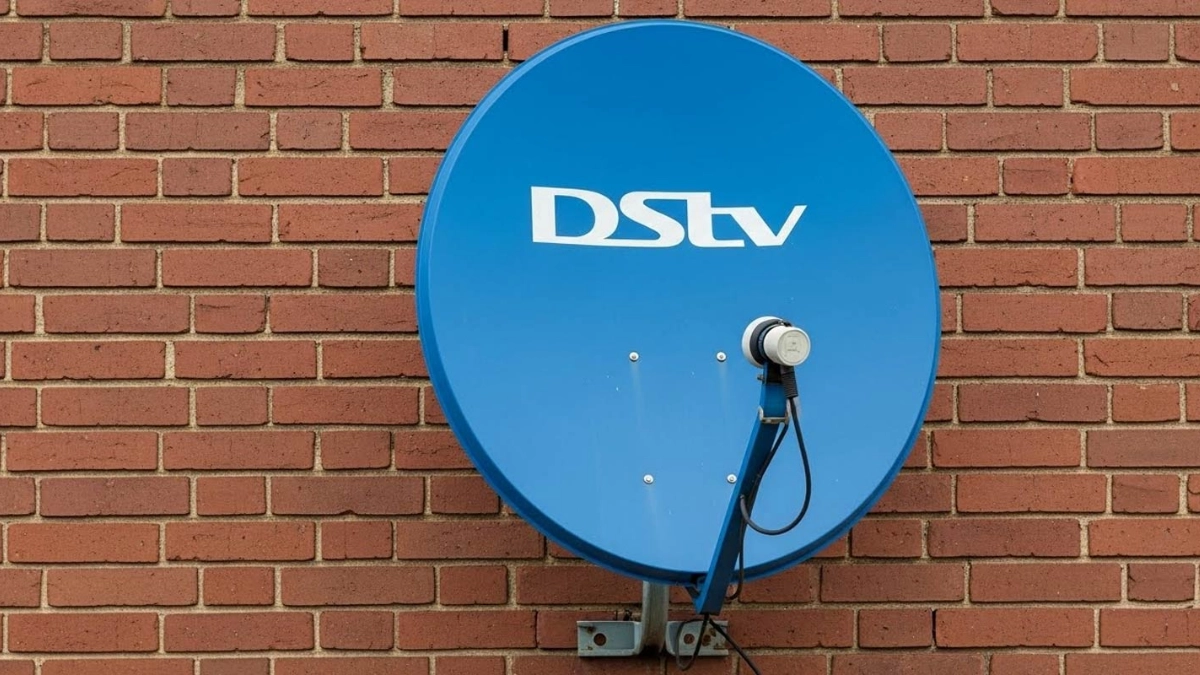
DStv’s parent company is under renewed pressure after Canal+ warned that turning MultiChoice around will not be quick. In its first full-year update after taking control of MultiChoice, the French media group said the South Africa-headquartered broadcaster is still dealing with falling subscriber numbers, lower revenue and a difficult 2026 outlook.
The immediate change is that the owner of DStv has now publicly acknowledged a tougher recovery path. Canal+ says MultiChoice’s subscriber base fell from 14.9 million to 14.4 million in 2025, while revenue dropped 6% from €2.542 billion to €2.400 billion. Why it matters in South Africa is that DStv remains the country’s dominant pay-TV platform, and pressure on MultiChoice usually feeds into decisions on content, pricing, cost control and customer acquisition. What happens next is that Canal+ plans a €100 million turnaround drive, but has also warned that MultiChoice faces a further €140 million headwind in 2026 from subscriber-base inertia and cost inflation.
What we know so far
The clearest official source is Canal+’s 2025 Full Year Preliminary Results and Strategic Update, published on 11 March 2026. The company said the year was transformational because of the acquisition of MultiChoice, but it also made clear that the African pay-TV business is still under strain.
The headline pressure point is subscribers. Reuters reported from the Canal+ results that MultiChoice’s customer base fell from 14.9 million to 14.4 million in 2025. That matters because subscription revenue remains the backbone of the DStv model, and a shrinking base makes it harder to absorb content costs, platform investment and inflation.
Revenue also moved the wrong way. Canal+ and secondary reporting on the results said MultiChoice’s revenue declined 6% year on year, from €2.542 billion in 2024 to €2.400 billion in 2025. That makes the current pressure more than a simple subscriber story. It is also a revenue and profitability story, with the new owner now having to fund a turnaround rather than inherit a stable platform.
The group is not pretending that the recovery will be immediate. A Canal+ results snippet published with the March update said the turnaround plan would take time, even with an additional €100 million boost plan now under way. Reuters reported that the recovery package includes hiring more than 1,000 salespeople across 16 African markets as Canal+ shifts away from a more centralised structure and tries to rebuild local momentum.
There is also a labour and restructuring element. The Canal+ results material says the company will initiate a voluntary severance plan at MultiChoice throughout support functions. That indicates that the turnaround is not just about winning customers back. It is also about cutting costs and reshaping the operating model behind the business.
A second major warning sign came just days before the March results. On 5 March, MultiChoice announced that it would discontinue Showmax after what it described as a comprehensive review of its streaming activities. The company said the substantial annual losses experienced by the Showmax business had proved unsustainable, although it also said the closure would not involve retrenchments and that it would continue investing in premium content and platform upgrades for subscribers.
Why it matters
This matters because DStv is not just another media product in South Africa. It remains one of the country’s biggest subscription entertainment platforms, a major buyer of sports rights and local content, and a business that influences pricing and competition across pay television and streaming.
When MultiChoice weakens, the effects can ripple outward. That can mean tougher content decisions, pressure on package design, more aggressive cost discipline and greater urgency around subscriber retention. Even if Canal+ has not yet announced any immediate reduction in DStv channels or a direct package cut for South Africa, the financial message is clear: the business is under strain and the parent company is now actively restructuring it.
There is also a strategic shift under way. Canal+ has made it clear that it wants MultiChoice to become part of a larger global media platform rather than operate as an isolated African pay-TV company. The group says it now serves more than 40 million subscribers across close to 70 countries after bringing MultiChoice under effective control in September 2025. That kind of integration can create new content and technology opportunities, but it also increases pressure for synergies, cost savings and stricter capital allocation.
South African viewers are therefore dealing with two realities at once. The first is that DStv still has scale, content reach and brand recognition. The second is that the business behind it is no longer being managed as a stand-alone local giant. It is being folded into a bigger group that is openly demanding faster efficiencies and better returns.
Key details and figures
The core numbers behind the warning
The most important figures in the latest update are these:
- MultiChoice’s subscriber base fell from 14.9 million in 2024 to 14.4 million in 2025.
- Revenue fell 6%, from €2.542 billion to €2.400 billion.
- Canal+ says it will spend an additional €100 million on a MultiChoice boost plan in 2026.
- The company says MultiChoice faces a €140 million headwind in 2026 from subscriber-base inertia and cost inflation.
- Canal+ plans to hire more than 1,000 salespeople across 16 African markets as part of the turnaround.
- Canal+ has said it will start a voluntary severance plan across MultiChoice support functions.
Showmax adds to the pressure picture
The Showmax decision is also important to understanding the broader story:
- MultiChoice announced on 5 March 2026 that it would discontinue Showmax.
- The company said Showmax’s annual losses had become unsustainable.
- It said no retrenchments would result directly from that closure.
- It also said further details about an expanded content offering and platform upgrades would be shared later.
These details matter because they show the pressure is not confined to one part of the business. MultiChoice is dealing with weaker pay-TV momentum while also pulling back from a loss-making streaming bet.
What happens next
The next stage is the turnaround itself. Canal+ says it wants to restart growth, improve customer acquisition and get MultiChoice back onto a more sustainable footing. But the company has also warned investors that this will take time, which suggests viewers and the market should expect gradual rather than instant change.
For DStv subscribers in South Africa, the most realistic near-term expectation is not a single dramatic change, but a sequence of smaller shifts. Those could include revised sales tactics, different package positioning, tighter cost control and future announcements on content or platform upgrades. The company has already said more detail is coming on the content side after the Showmax decision.
The broader question is whether Canal+ can stop the long-running erosion in MultiChoice’s base. If it cannot, pressure will remain on the economics of pay television in South Africa. If it can, DStv may yet emerge with a leaner structure and a different mix of distribution, streaming and premium content.
For now, the verified position is that this is bad news for DStv in South Africa because the business behind it is still losing subscribers, still shrinking in revenue and still being forced into deeper restructuring under its new owner. The platform is not disappearing, but the turnaround is now officially the main story.