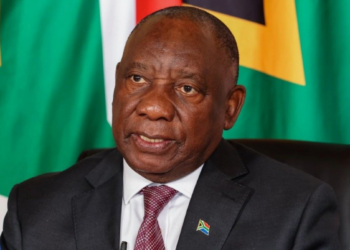

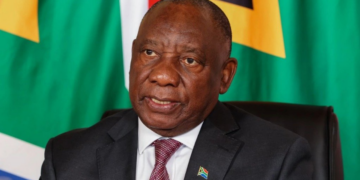




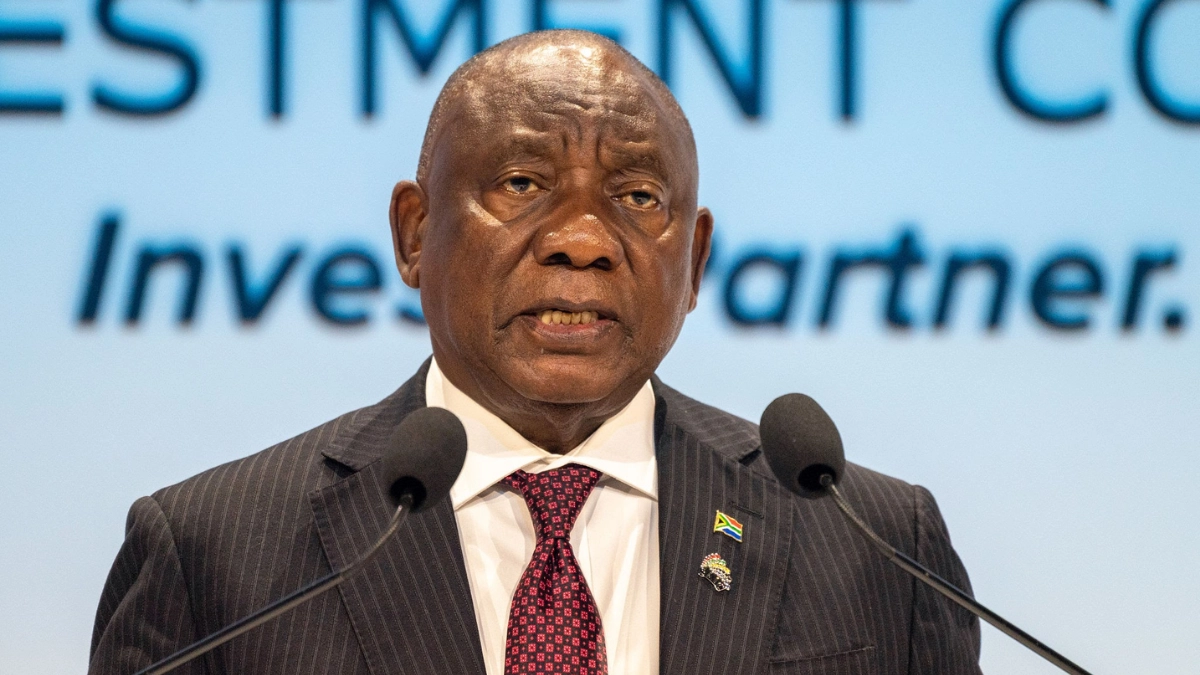
South Africa’s Constitutional Court has revived the impeachment process linked to President Cyril Ramaphosa’s Phala Phala scandal, ruling that Parliament’s 2022 decision to block the next stage of the process was inconsistent with the Constitution. The judgment does not remove Ramaphosa from office, but it does send the matter back into Parliament’s section 89 impeachment machinery.
The stronger and more accurate angle here is not that Ramaphosa is about to be impeached. He is not. What the court has done is reopen a constitutional accountability process that had been politically shut down when the National Assembly voted not to refer an independent panel’s report to an impeachment committee in December 2022.
That matters because the ruling lands in a more fragmented political environment than the one that existed when the Phala Phala matter first threatened Ramaphosa’s presidency. The ANC no longer holds a parliamentary majority on its own, but Reuters notes it still controls well over one third of National Assembly seats, which is enough to make an actual impeachment outcome difficult because removal would require a two-thirds majority.
What we know so far
The official Constitutional Court summary says the Speaker appointed an independent panel in 2022, and that panel found the information before it prima facie established that Ramaphosa may have committed, among other things, a serious violation of the Constitution and the law, as well as serious misconduct. Parliament then voted against referring that report to the impeachment committee for fuller examination.
In its new judgment, the court found that National Assembly Rule 129I was constitutionally defective because it allowed Parliament to halt the impeachment process too early, before a full investigation had taken place and before all relevant information had been properly ventilated. The court set aside both Rule 129I and the 2022 parliamentary vote, and referred the report to the impeachment committee.
That is the core legal development. The ruling is not a finding that Ramaphosa is guilty of impeachable conduct. It is a finding that Parliament used an unconstitutional mechanism to avoid fully testing the allegations through the process laid down for section 89 matters.
Reuters reported that the scandal, often referred to as Phala Phala or Farmgate, centres on the theft of foreign currency from a sofa at Ramaphosa’s game farm in 2020. Ramaphosa has consistently denied wrongdoing and said the money was proceeds from the sale of buffalo, while critics have long argued that the incident raised serious questions about the origin, handling and disclosure of the cash.
Why it matters
The ruling matters first because it sharpens Parliament’s constitutional duty to hold a sitting president accountable through a functioning and lawful impeachment mechanism. The Constitutional Court’s official summary says section 89 does not allow the National Assembly to design a process that can be terminated before the impeachment committee has had a proper chance to investigate a motion already found by an independent panel to have substance.
It also matters politically because Ramaphosa is now back under a cloud that had seemed largely contained. AP reported that the court’s decision potentially reopens one of the most serious scandals of his presidency at a time when he is already governing in a coalition environment rather than from a position of uncontested parliamentary strength.
Still, the ruling is not the same as a clear route to removal. Reuters reported that analysts expect the process to be lengthy and that Ramaphosa is likely to survive politically even if the matter eventually reaches a vote, because the ANC still holds enough seats to make a two-thirds impeachment majority hard to assemble. In plain terms, the court has revived the danger, not sealed the outcome.
The Presidency’s response was restrained but important. In an official statement issued on 8 May, it said Ramaphosa respects the Constitutional Court’s judgment, remains committed to the Constitution and the rule of law, and maintains that “no person is above the law”. That response suggests the president is choosing to contest the issue through due process rather than through political defiance.
Key details and figures
One of the most important details in the court summary is procedural, not rhetorical. The court did not merely criticise Parliament’s earlier conduct. It invalidated the 2022 vote and referred the independent panel report to the impeachment committee, meaning the matter must now re-enter the parliamentary process in a more constitutionally compliant form.
Another important detail is historical. The independent panel’s 2022 report did not amount to an impeachment verdict. It found a prima facie case, meaning there was enough on the face of the material before it to justify fuller investigation. That threshold is lower than a final finding of guilt or misconduct after a full parliamentary inquiry.
Reuters also notes that the EFF, which brought the case, has already moved to press Parliament for urgent implementation of the ruling by asking for the immediate establishment of the impeachment committee. That means the political pressure phase has already started, even though the constitutional process itself is likely to take time.
The most relevant number in the political background is the two-thirds majority needed for impeachment. Reuters says that, despite losing its outright majority in the 2024 election, the ANC still has well over one third of National Assembly seats. That means Ramaphosa remains vulnerable to process and scrutiny, but not obviously vulnerable to immediate removal.
What happens next
The next step is parliamentary, not judicial. Parliament now has to deal with the court’s ruling, correct the constitutional defect in its rules, and allow the section 89 process to continue through the impeachment committee stage envisaged by the judgment.
That committee’s work could take months. Reuters, citing analysts, says the process is expected to be detailed and prolonged, which means Ramaphosa’s short-term risk is more about political heat and reputational damage than an immediate threat to his presidency.
For now, the safest conclusion is narrow and factual. Ramaphosa has not been impeached, and he is not automatically on his way out. But South Africa’s top court has revived the constitutional route that could, in theory, lead there, and that is a serious setback for a president who had previously escaped this exact parliamentary process in 2022.