






What changes with non-bank payments in 2027
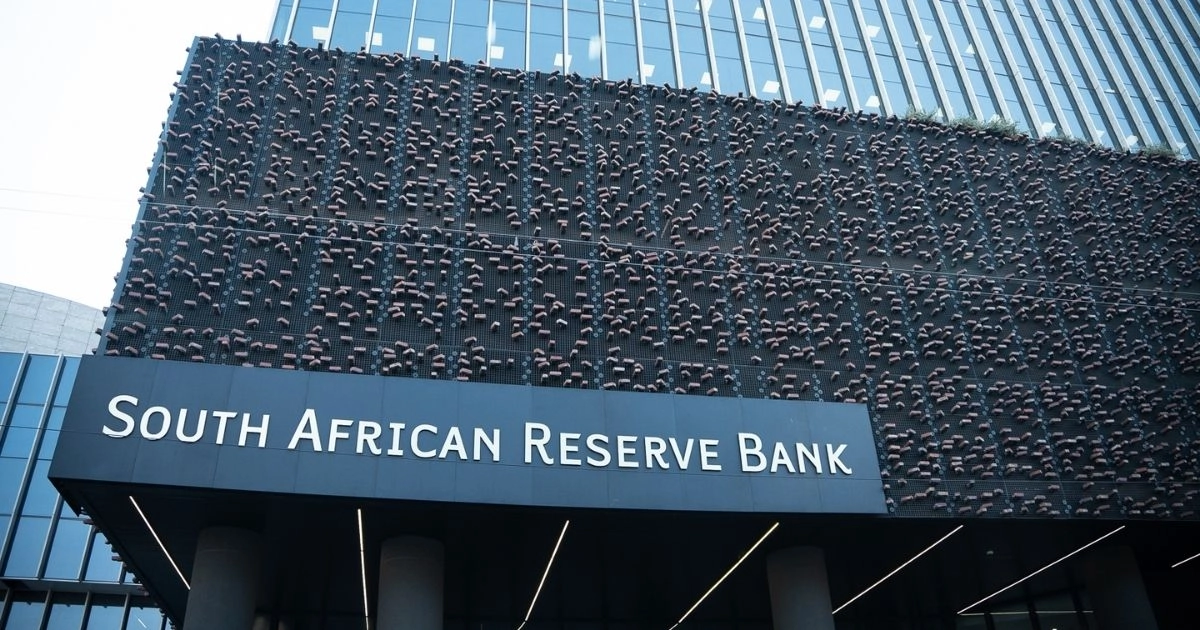
The Reserve Bank has put a date on non-bank payments. Fintechs, telecoms companies and retailers should be able to connect directly to South Africa’s payment system from mid-2027, without a bank in the middle. Money held with those providers will not carry the R100 000 deposit insurance that protects bank customers, because the Corporation for Deposit Insurance covers registered banks only.
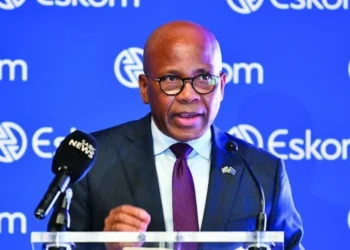
Pradeep Maharaj, executive director of the Reserve Bank’s Payments Ecosystem Modernisation programme, told a media roundtable on Friday, 16 October, that the rules governing payment activities and exemptions will be published by November, Reuters reported. He said the first licensed non-bank participants should go live around March 2027, with a wider launch in the middle of the year.
Maharaj said the change should lower transaction costs for small businesses and consumers, reduce reliance on cash and widen access to digital payments for people without bank accounts. No figures have been published on how much fees might fall.
The timeline the Reserve Bank has set
| Date | Step |
|---|---|
| November 2025 | Draft exemption notice and directive on specific payment activities published |
| May 2026 | Revised drafts published, with comments closing on 15 June |
| 2 September 2026 | Remaining functions of the Payments Association of South Africa move to the Reserve Bank and PayInc |
| By November 2026 | Final rules on payment activities and exemptions |
| January 2027 | White-label ATM pilot begins |
| Around March 2027 | First licensed non-banks go live |
| Mid-2027 | Wider launch of direct non-bank access |
| End of 2027 | First batch of white-label ATMs rolled out nationwide |
The dates for November onwards come from Maharaj’s briefing. The earlier steps are from the Reserve Bank’s own publications, as Southafriworld reported in its explainer on the National Payment System Bill.
Why the 2027 date does not wait for Parliament
The National Payment System Bill has not yet been published for comment. Reserve Bank Governor Lesetja Kganyago said on 1 September that it would go out soon, and Southafriworld found no published draft by the time of writing.
That does not hold up the 2027 date. On its programme page, the Reserve Bank says it will open direct access through an exemption notice, a new licensing and authorisation framework, and updates to the forthcoming Bill.
Its 2024 oversight report is more explicit. It says the exemption was drafted specifically to give non-banks access before the amended National Payment System Act is promulgated.
The exemption works by carving specified payment activities out of the definition of “the business of a bank” in the Banks Act. A non-bank can then carry out those activities without a banking licence, provided it is authorised or registered by the Reserve Bank under the new directive.
In practice, the November rules are the instrument that matters for 2027. The Bill will update the law around them later.
What non-bank payments mean for your money
For small businesses, the promise is a cheaper way to take card and instant payments, including PayShap. Direct access removes the sponsor bank that currently sits between many fintechs and the payment system, along with the fees and terms that sponsor sets.
For consumers, the change means more providers able to move money directly, including mobile-money operators such as MTN and retailers. Some retailers are taking a different route altogether, such as the bank Pepkor plans to launch in 2027.
The protection on your balance is different. The Corporation for Deposit Insurance covers up to R100 000 per qualifying depositor, per bank, and at 31 March 2026 its 35 members were all registered banks.
An authorised non-bank is not a bank and is not a member, so a balance held with one would not have that cover. Instead, the Reserve Bank’s draft framework requires authorised non-banks to meet obligations that include protecting customer funds, alongside governance and anti-money-laundering rules.
The practical step is simple. Before keeping savings in any app or wallet, check whether the provider is a registered bank or a non-bank payment institution.
Cash is not going away yet
The same briefing covered cash. The Reserve Bank has proposed a national cash utility, a central bank-owned company to handle cash, and Maharaj said its own cash centres would move into the utility in 2027.
He said the utility would begin taking over industry-owned cash centres by the end of 2027. It will also run white-label ATMs as shared infrastructure rather than bank by bank, to lower cash-handling costs and keep cash available in rural and underserved areas.
The ATM pilot is due in January, with the first batch of machines rolled out nationwide by the end of 2027. Southafriworld has previously covered the Reserve Bank’s white-label ATM plans.
What happens next for non-bank payments
Several points remain open. The final rules have not been published, no providers have been licensed, and there is no estimate of how far fees might fall once non-banks connect directly.
The next fixed point is November, when the Reserve Bank says the rules on payment activities and exemptions will be published. Licensing applications, testing and the first go-live around March 2027 follow from there.
HOW WE REPORTED THIS
- The 2027 timeline was taken from published reports of a Reserve Bank media roundtable held on 16 October 2026, because the Reserve Bank's own statement of the timeline had not been located at the time of writing.
- The legal route for non-bank access was checked against the Reserve Bank's Payments Ecosystem Modernisation programme page, its 2024 National Payment System Regulatory and Oversight Report and its 2025/26 annual report.
- Deposit insurance limits and membership were checked against the Corporation for Deposit Insurance annual report for 2025/26, published by the Reserve Bank.
- Southafriworld found no published draft of the National Payment System Bill by the time of writing.
- No comment was sought from the Reserve Bank before publication.