






• About us
  • Advertise
  • Terms and Conditions
  • Editorial Policy
  • Privacy Policy
  • Contact
Southafriworld
  • Home
  • News
    • All
    • Business
    • Crime
    • Economy
    • Tech
    • Tourism
    Flight prices South Africa rise on fuel surcharge | Southafriworld

    Flight fuel surcharges climb again as jet fuel spikes

    TFG store closures: 100+ shops to shut | Southafriworld

    TFG to close over 100 SA stores in shift to online

    Toyota Corolla Cross hijacking: new insurer rule | Southafriworld

    Corolla Cross owners face new tracker rule from Discovery

    Weather warning South Africa: Level 6 flood alert | Southafriworld

    Level 6 weather warning as flooding hits SA east coast

    Mrs Ball's Chutney returns to Paarl production | Southafriworld

    Mrs Ball’s comes home to Paarl after 13 years

    FATF greylist South Africa: fresh risk in 2027 | Southafriworld

    SA faces fresh greylist risk under tougher FATF test

    South Africa AI economy: R1.4trn upside | Southafriworld

    Huawei sees R1.4 trillion AI boost, but SA short on skills

    South Africa migrant exodus hits farms and factories | Southafriworld

    Migrant exodus leaves SA farms short at harvest time

    South Africa US tariff set at 12.5% | Southafriworld

    US hits SA with 12.5% tariff but spares citrus and cars

    • Business
    • Crime
    • Economy
    • Tech
    • Tourism
  • About us
    • Masthead
    • Editorial Policy
    • Privacy Policy
    • Terms and Conditions
    • Corrections Policy
  • Advertise
  • Contact Us
No Result
View All Result
  • Home
  • News
    • All
    • Business
    • Crime
    • Economy
    • Tech
    • Tourism
    Flight prices South Africa rise on fuel surcharge | Southafriworld

    Flight fuel surcharges climb again as jet fuel spikes

    TFG store closures: 100+ shops to shut | Southafriworld

    TFG to close over 100 SA stores in shift to online

    Toyota Corolla Cross hijacking: new insurer rule | Southafriworld

    Corolla Cross owners face new tracker rule from Discovery

    Weather warning South Africa: Level 6 flood alert | Southafriworld

    Level 6 weather warning as flooding hits SA east coast

    Mrs Ball's Chutney returns to Paarl production | Southafriworld

    Mrs Ball’s comes home to Paarl after 13 years

    FATF greylist South Africa: fresh risk in 2027 | Southafriworld

    SA faces fresh greylist risk under tougher FATF test

    South Africa AI economy: R1.4trn upside | Southafriworld

    Huawei sees R1.4 trillion AI boost, but SA short on skills

    South Africa migrant exodus hits farms and factories | Southafriworld

    Migrant exodus leaves SA farms short at harvest time

    South Africa US tariff set at 12.5% | Southafriworld

    US hits SA with 12.5% tariff but spares citrus and cars

    • Business
    • Crime
    • Economy
    • Tech
    • Tourism
  • About us
    • Masthead
    • Editorial Policy
    • Privacy Policy
    • Terms and Conditions
    • Corrections Policy
  • Advertise
  • Contact Us
No Result
View All Result
Southafriworld
No Result
View All Result
Home News

Hormone disrupting chemicals found in sanitary pads, UFS study says

Researchers say the findings highlight gaps in product disclosure and chemical standards.

Ezra Labuschagne by Ezra Labuschagne
22 February 2026, 09:11
in News
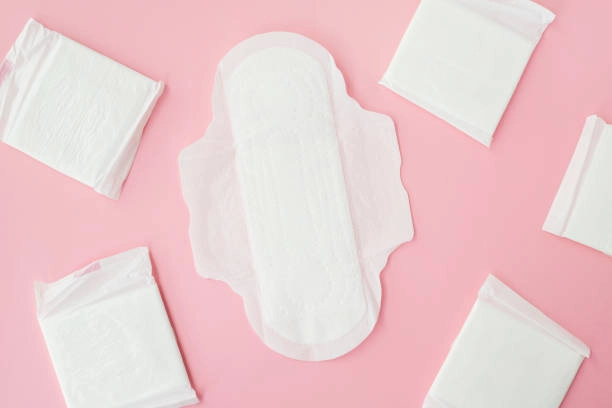
Chemicals found in sanitary pads study | Southafriworld

A new South African study has found endocrine disrupting chemicals in every sanitary pad and pantyliner sample tested, including products marketed as “free from harmful chemicals”. The research, led by scientists at the University of the Free State and published in the journal Science of the Total Environment, has intensified debate about chemical disclosure, consumer expectations, and whether existing standards for menstrual products are keeping pace with modern manufacturing and health concerns.

The study does not claim that any single product will automatically cause harm. It does, however, identify menstrual products as a plausible, under recognised route of long term exposure to certain chemical groups that are widely discussed in environmental and public health research.

What the study tested

The University of the Free State research team analysed 16 brands of sanitary pads and seven to eight types of pantyliners sold through mainstream South African retailers, covering a mix of price points and marketing claims. The screening focused on three broad groups of endocrine disrupting chemicals:

  • Phthalates
  • Bisphenols, including bisphenol A (BPA)
  • Parabens

In total, the researchers analysed 20 individual compounds across those chemical groups, using laboratory chromatographic methods to detect and quantify the chemicals and to estimate exposure through product use.

Key findings in plain terms

The main finding is simple: none of the tested products was free of the targeted chemicals, and each sample contained at least two.

The study reported the following detection patterns:

  • In sanitary pads, bisphenols were detected in 100% of samples and parabens in about 85%, while phthalates were detected in about 50%.
  • In pantyliners, phthalates were detected in 100% of samples and bisphenols and parabens in about 75% each.

The researchers noted that phthalates were more prevalent in pantyliners, while bisphenols were more prevalent in sanitary pads.

Why scientists focus on these chemical groups

Endocrine disrupting chemicals are substances that can interfere with hormone signalling in the body. The study background notes that phthalates, bisphenols and parabens are used widely across consumer products, including plastics, adhesives, coatings and fragrances.

The public health discussion around these chemicals often focuses on long term, repeated exposure rather than immediate effects. Many endocrine related outcomes in scientific literature are associated with complex, multi factor exposure across many sources, including food contact materials, household products and environmental contamination. The study argues that menstrual products should be included in the exposure conversation because of how they are used and where they sit against the body.

Why menstrual products are treated differently from ordinary consumer goods

The researchers highlight that sanitary pads and pantyliners are used directly against genital and mucosal tissue, which can have different absorption characteristics compared to other skin surfaces. Products are also used repeatedly over many years, often for several days each month. The study frames this as a cumulative exposure issue rather than a one off event.

The paper also states that estimated daily doses from a single product may appear low, but that repeated exposure over time is the key concern.

The chemicals may not be intentionally added

A central point in the discussion is that detection does not necessarily prove a manufacturer deliberately added the chemicals as ingredients.

The researchers argue that chemicals can migrate into products during manufacturing or packaging, including from plastics, adhesives, and production processes such as heat pressing, which may shift chemicals into layers that contact the body.

This distinction matters because it affects what regulators and manufacturers would need to change. The response may involve tighter controls on raw materials, processing aids, packaging, and supply chain traceability, not only changes to the final product design.

Regulation and disclosure gaps in South Africa

The study and subsequent reporting have raised questions about how sanitary products are regulated in South Africa and what standards currently prioritise.

South African standards for disposable sanitary towels include requirements related to performance and microbiology, such as absorbency and limits for certain bacteria in non sterile packed products. These standards do not operate as a full chemical disclosure system for all potential contaminants that might be present from modern materials and manufacturing processes.

Researchers also argue that consumers often assume “clean” marketing claims imply broad chemical testing, even when no local standard requires that kind of screening for endocrine disrupting chemicals.

In a related regulatory example, South Africa has an explicit prohibition on polycarbonate infant feeding bottles containing BPA, published under the Foodstuffs, Cosmetics and Disinfectants Act. That rule is narrowly focused and does not extend to menstrual products.

The industry debate

Public debate has sharpened quickly because menstrual products are essential goods and because many South Africans use lower cost options where product information can be limited.

Reporting has also highlighted that industry stakeholders dispute parts of the health interpretation, arguing that the presence of a chemical does not automatically translate into a meaningful health risk without exposure thresholds, risk assessments, and context about dose.

That tension is expected in chemical safety discussions. Researchers tend to push for precaution, transparency and further monitoring, while manufacturers often emphasise compliance with existing standards and the need for regulators to set clear, testable limits before claims of harm are made.

What the researchers are calling for

The University of the Free State team has called for stronger transparency and better standards that match how products are actually made and used. In public summaries of the work, researchers have argued for:

  • Clearer labelling and greater disclosure of chemicals linked to menstrual products
  • Standards that consider chemical contaminants in addition to microbiology and absorbency
  • Ongoing monitoring and independent testing that reflects real retail supply chains

The researchers also suggested that consumers who want to reduce exposure can look for products certified under OEKO TEX Standard 100, an international screening label referenced in the UFS communication, or consider reusable alternatives where suitable.

What happens next

The study has created immediate pressure for clearer public communication, both from regulators and from manufacturers.

Potential next steps that may emerge include requests for updated standards through the South African Bureau of Standards process, calls for national guidance on chemical testing and disclosure for menstrual products, and more local research to confirm how widespread contamination is across batches, brands, and product types over time.

For now, the most defensible conclusion is that endocrine disrupting chemicals have been detected and quantified in a set of widely available products, and that the findings justify deeper scrutiny rather than panic.


Get South Africa’s Biggest Stories

Join the Southafriworld newsletter for top stories and weekly news highlights, sent straight to your inbox.

We don’t spam! Read our privacy policy for more info.

Thanks for subscribing. Please check your inbox to confirm your email address.

Continue Reading
Source: UFS
Tags: consumer safety
Previous Post

Domestic worker jobs still down 16% since 2019

Next Post

Trump envoy Bozell arrives in South Africa amid culture war focus

Ezra Labuschagne

Ezra Labuschagne

Ezra Labuschagne is the founder, editor, and publisher of Southafriworld, an independent South African digital news publication. Based in Pretoria, South Africa, he leads the publication’s editorial direction, publishing standards, content review, and audience strategy. His work focuses on current affairs, public interest reporting, business, the economy, public policy, and major developments that affect daily life in South Africa. As founder and editor, he is responsible for final editorial oversight, including source review, accuracy, updates, corrections, and publishing standards across Southafriworld.

Related Posts

Flight prices South Africa rise on fuel surcharge | Southafriworld
Economy

Flight fuel surcharges climb again as jet fuel spikes

07/29/2026
TFG store closures: 100+ shops to shut | Southafriworld
Business

TFG to close over 100 SA stores in shift to online

07/29/2026
Toyota Corolla Cross hijacking: new insurer rule | Southafriworld
Crime

Corolla Cross owners face new tracker rule from Discovery

07/29/2026
Weather warning South Africa: Level 6 flood alert | Southafriworld
News

Level 6 weather warning as flooding hits SA east coast

07/28/2026
Mrs Ball's Chutney returns to Paarl production | Southafriworld
News

Mrs Ball’s comes home to Paarl after 13 years

07/28/2026
FATF greylist South Africa: fresh risk in 2027 | Southafriworld
Economy

SA faces fresh greylist risk under tougher FATF test

07/28/2026
Next Post
US ambassador-designate Leo Brent Bozell III during Senate testimony on South Africa posting

Trump envoy Bozell arrives in South Africa amid culture war focus

  • Trending
  • Latest
US Issues Sanctions Warning to South Africa | Southafriworld

United States Issues Formal Sanctions Warning to South Africa Over Foreign Policy Positions

01/28/2026
Big Smoking Law Changes Coming To South Africa | Southafriworld

Big Change Coming For Smoking Laws In South Africa As New Controls Take Shape

01/12/2026
FlySafair sold to black empowerment investors | Southafriworld

FlySafair sold to black empowerment investor group

02/11/2026
New work hours laws proposed | Southafriworld

New work hours laws proposed for South Africa

02/28/2026
Flight prices South Africa rise on fuel surcharge | Southafriworld

Flight fuel surcharges climb again as jet fuel spikes

07/29/2026
TFG store closures: 100+ shops to shut | Southafriworld

TFG to close over 100 SA stores in shift to online

07/29/2026
Toyota Corolla Cross hijacking: new insurer rule | Southafriworld

Corolla Cross owners face new tracker rule from Discovery

07/29/2026
Weather warning South Africa: Level 6 flood alert | Southafriworld

Level 6 weather warning as flooding hits SA east coast

07/28/2026

Recent News

Flight prices South Africa rise on fuel surcharge | Southafriworld

Flight fuel surcharges climb again as jet fuel spikes

07/29/2026
TFG store closures: 100+ shops to shut | Southafriworld

TFG to close over 100 SA stores in shift to online

07/29/2026
Toyota Corolla Cross hijacking: new insurer rule | Southafriworld

Corolla Cross owners face new tracker rule from Discovery

07/29/2026
Weather warning South Africa: Level 6 flood alert | Southafriworld

Level 6 weather warning as flooding hits SA east coast

07/28/2026
Southafriworld

Southafriworld is an independent South African digital news platform delivering timely, credible reporting on national news, business, politics, technology, lifestyle, and major stories shaping South Africa and the world.

Follow Us

Browse by Category

  • Business
  • Crime
  • Economy
  • News
  • Tech
  • Tourism

Recent News

Flight prices South Africa rise on fuel surcharge | Southafriworld

Flight fuel surcharges climb again as jet fuel spikes

07/29/2026
TFG store closures: 100+ shops to shut | Southafriworld

TFG to close over 100 SA stores in shift to online

07/29/2026
  • About us
  • Advertise
  • Terms and Conditions
  • Editorial Policy
  • Privacy Policy
  • Contact

© 2026 | Designed by Ezra Labuschagne.

No Result
View All Result
  • Home
  • News
    • Economy
    • Business
    • Tech
    • Crime
    • Tourism
  • About us
    • Terms and Conditions
    • Privacy Policy
    • Editorial Policy
    • Corrections Policy
    • Masthead
  • Advertise
  • Contact Us

© 2026 | Designed by Ezra Labuschagne.

This website uses cookies to personalize content and ads, analyze traffic, and improve your experience. By continuing to use this site, you consent to the use of cookies. View our Privacy & Cookie Policy.