




What we know so far
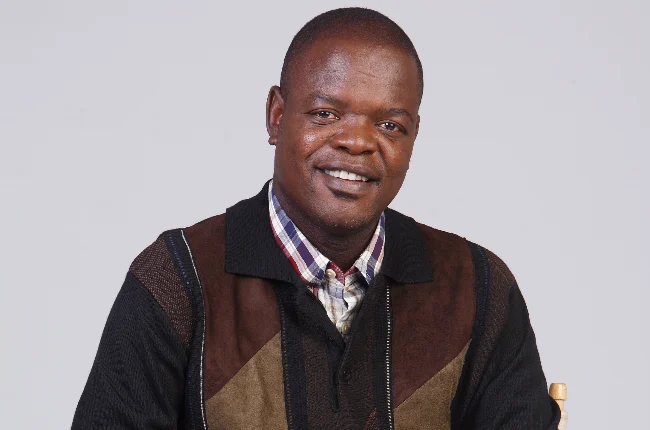
Veteran South African actor, director and theatre-maker Seputla Sebogodi has died, his family confirmed in a statement on Wednesday, 15 July.
“The immediate family of Seputla Sebogodi confirms, with profound sadness, his passing on the evening of 15 July 2026 following complications related to diabetes,” the family said, requesting privacy as they mourn.
Sebogodi, born on 31 October 1962 in Lady Selborne, Pretoria, was 63 years old. His family described him as a gifted creative whose influence extended far beyond the stage and screen. “His legacy will live on through his remarkable body of work and the many lives he touched,” the statement read.
His death has prompted tributes from colleagues, fans and cultural institutions across South Africa’s entertainment industry.
Why it matters
Sebogodi’s career spanned more than four decades and helped define South African television and theatre in the post-apartheid era. He trained at Unisa and under playwright and director Gibson Kente before breaking through in the early 1990s.
He became a household name playing the businessman Kenneth Mashaba in the SABC1 soap opera Generations for a decade, a role that earned him a South African Film and Television Award. He also appeared in Suburban Bliss, Bophelo Ke Semphekgo, Redemption, The River, Rhythm City and, most recently, Scandal!.
His reach extended internationally, with credits including The Woman King in 2022 and The Republic in 2019.
Beyond television, Sebogodi was a formidable stage performer whose theatre work engaged directly with South Africa’s social and political history. His credits included Waiting for Godot, The Rivonia Trial, Once a Pirate, Mooi Street Moves and Big Dada, Brett Bailey’s production in which he played Idi Amin.
Colleagues remembered him not only for his performances but also for his mentorship of younger actors, at a time when the industry has faced ongoing scrutiny over how it supports its veteran performers.
Key details and figures
Sebogodi’s final stage work, Black Moon, which he wrote and performed in, premiered at the National Arts Festival in Makhanda just a week before his death. The production explored themes of pain, pride, religion and South Africa’s complex history.
He was a two-time SAFTA winner over the course of his career, recognition that spanned both his television and theatre work.
His other notable stage credits included Place of the Rock – How The Land Was Taken, a one-man play adapted from the writings of Sol T. Plaatje and directed by Maishe Maponya.
In recent years, Sebogodi had spoken publicly about periods of financial hardship in the industry, including after his departure from Generations, while continuing to perform gospel music and engage in community work.
What happens next
Sebogodi’s family has asked for privacy as they grieve and has not yet announced funeral or memorial arrangements. Southafriworld will update this story when those details are confirmed.
Tributes from the South African arts community are continuing to be shared publicly, with many describing his death as marking the end of an era for local theatre and television.
His body of work, including his final production at the National Arts Festival, remains his most immediate legacy, and cultural institutions are expected to pay further tribute in the days ahead.