




When you actually need a roadworthy certificate
A roadworthy certificate South Africa motorists need, often called a CoR or certificate of roadworthiness, is proof from an authorised testing station that a vehicle met the safety requirements set out in the National Road Traffic Act 93 of 1996 at the time it was tested.
The point most people get wrong is when it is required. A private car is not required to be tested every year simply because it is a private car. The Western Cape Government states plainly that a private vehicle under 3 500 kg, mainly cars and bakkies, does not need an annual certificate of roadworthiness on the grounds of being private.
What does trigger the requirement is a change to the vehicle’s record. The clearest case is a change of ownership: you cannot register a vehicle in a new owner’s name without one.
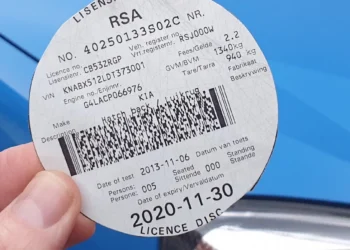
Where a roadworthy certificate is required, it also blocks your licence disc. The Western Cape Government warns that you will not receive a vehicle licence disc without a valid roadworthy certificate where one is needed.
What the certificate is not
It is not a warranty. It is not a mechanical report you can rely on when buying a used car, and it is not proof that the vehicle will stay fault-free after the test.
A CoR says one thing: on the day it was inspected, at that station, the vehicle met the minimum standard for the purpose being handled. A car can pass its roadworthy test in the morning and develop a fault that afternoon.
If you are buying privately, a roadworthy certificate is not a substitute for an independent inspection.
The ACR form
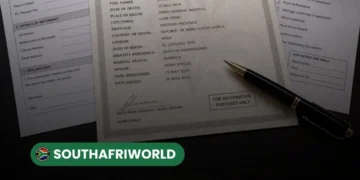
The application is made on form ACR, the Application for certification of roadworthiness.
You can pick one up at your nearest testing station, or download it from the NaTIS site. The path is downloads, then forms, then road traffic related forms, then look for Application for certification of roadworthiness.
Take the completed form to an authorised testing station along with the vehicle itself and your identification.
Choosing a testing station
Tests are done at authorised vehicle testing stations. Some are run by municipalities, others are private. Both can issue a valid certificate provided the station is properly registered and graded for the class of vehicle you are bringing in.
To find one, check your provincial transport department’s list or ask at your local licensing office. Registration status matters: a certificate from a station that is not authorised for your vehicle class is not worth the paper.
What it costs
There is no national price list. Testing fees are set locally and vary by province, by municipality, by station and by the size and class of the vehicle.
Official sources do not publish a single national tariff. They direct you to the station. So does this article: phone the station you intend to use and ask for the current fee for your vehicle class before you go.
Anyone quoting you a single national roadworthy price for 2026 is guessing. Costs to budget for separately are the test fee itself, any repairs needed to pass, and a re-test if the vehicle fails first time. The roadworthy fee is also not the same thing as your annual vehicle licence fee.
If the vehicle fails
A failure is a repair problem rather than a paperwork problem. The station will tell you what did not meet the standard.
Most stations allow a re-test at a reduced fee within a short window after the original inspection, commonly quoted as around 21 days, after which a full new inspection is required. That window is set by the station rather than by a national rule, so confirm it with them on the day you fail rather than assuming.
Until you hold a valid certificate, you cannot complete the transaction that required it.
Common reasons vehicles fail
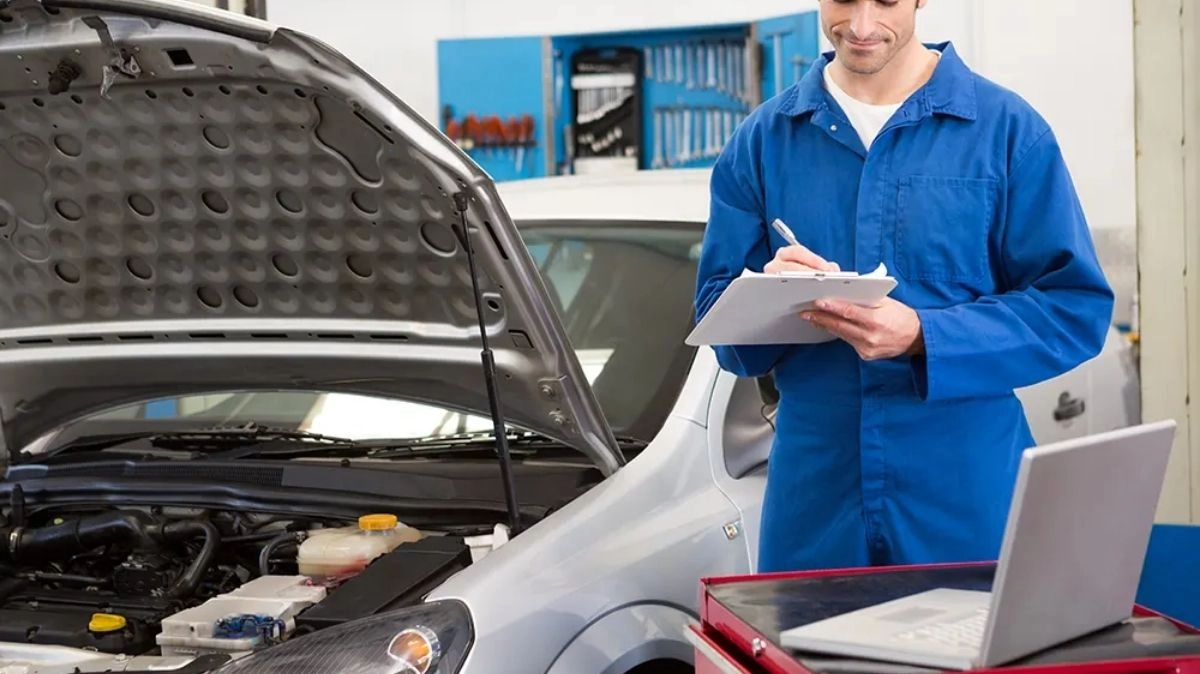
Testing stations look at the parts that keep a vehicle controllable and visible.
| Area | What gets checked |
|---|---|
| Brakes | Balance, pad and disc wear, handbrake hold |
| Tyres | Tread depth, sidewall damage, matched sizes on an axle |
| Lights | Headlights, indicators, brake lights, aim and alignment |
| Steering and suspension | Play, worn ball joints, leaking shocks |
| Glass and mirrors | Cracks in the driver’s line of sight, missing mirrors |
| Body and structure | Rust in structural areas, doors and latches, seatbelts |
| Exhaust and emissions | Leaks, excessive smoke |
Checking these yourself before you book saves a failed test and a second fee. Worn tyres and a misaligned headlight are the two cheapest things to fix in advance and two of the most common reasons to be sent away.
How this fits with the rest of your paperwork
A roadworthy certificate is one of several documents in a vehicle transaction. A change of ownership also needs the current registration certificate in the seller’s name, proof of the buyer’s address, identification, and the transfer forms lodged at a registering authority.
Until that transfer is processed, the seller remains the registered owner on the system, which means traffic fines and licence renewal notices keep coming to them. That is a good reason not to let a transfer sit unfinished while you wait on a roadworthy test.
South Africa is also moving to a new driving licence card, which is a separate process from anything to do with your vehicle’s roadworthiness. Identity documents for the transaction are handled through Home Affairs.
Where to check
Requirements differ by province and by vehicle class, and the rules for buses, heavy vehicles and vehicles operated for reward are stricter than for a private car.
Confirm what applies to your vehicle with the Department of Transport, the NaTIS site, or your provincial transport department before you book. For the fee, phone the testing station directly.